Making everyone involved happy—the work of cultural facility sales, sowing seeds and creating spaces that leave a lasting impression on society and people's memories.
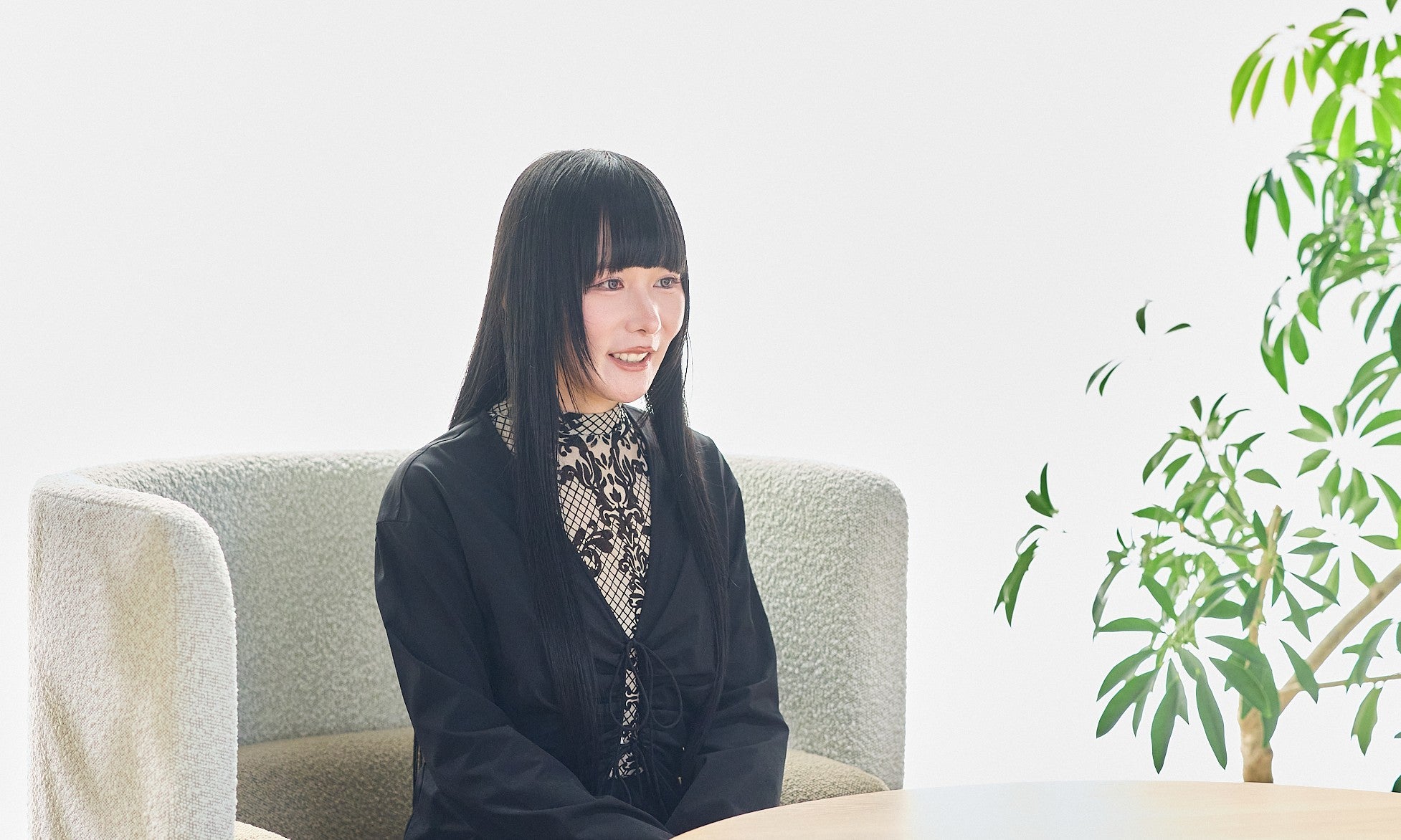
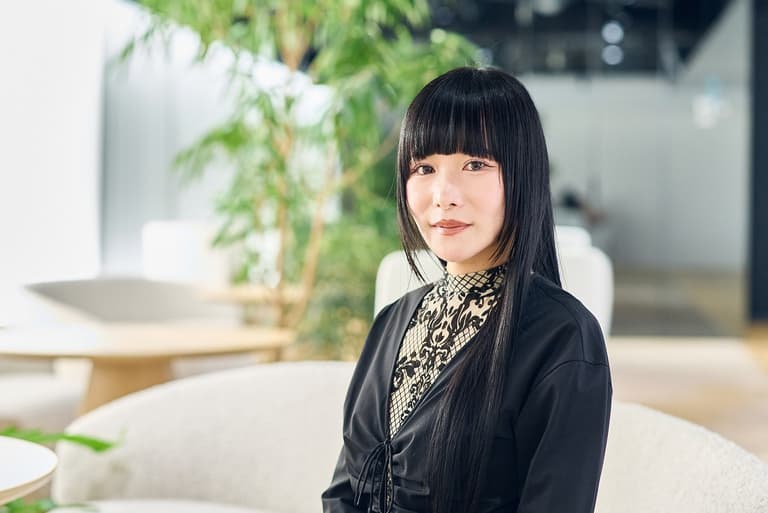
Maria Uemura, who joined Nomura Co., Ltd. as a new graduate in 2019 and is now the chief of the Sales Department 1 of the Cultural Environment Business Division, has worked on projects such as the renovation of the Niigata Prefectural Museum of Natural Science and the Yamanashi Prefectural Mt. Fuji World Heritage Center, as well as the Kochikame Memorial Museum. With the belief that "everyone involved should be happy," Uemura, who creates places that will leave a lasting impact on society from the seed-planting stage, talks about the fun and rewards of her work.
Sowing seeds where there are none. Operating a cultural facility with the hope of bringing happiness to everyone involved.
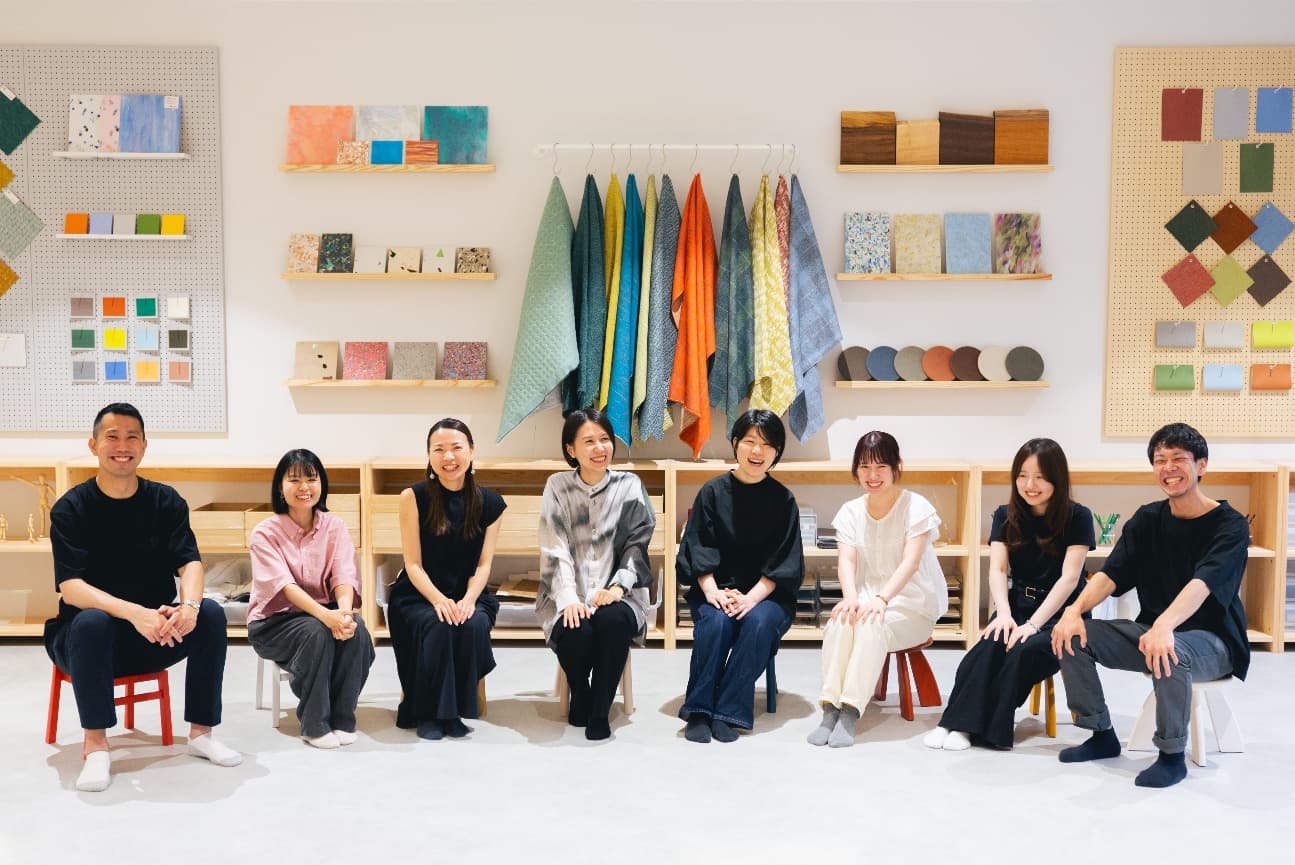
The Department of Sales Section 1, Cultural Environment Business Division, Culture and Communication Promotion Headquarters, to which Uemura belongs, is a department that mainly handles projects for highly public facilities such as museums, art galleries, and science museums.
"As the name 'Culture' suggests, this department primarily handles work for public clients. While Sales Department 2 handles projects for private childcare facilities and medical institutions, Department 1, where I work, is responsible for facilities with a higher degree of public importance."
Uemura says that their sales style is a little different from what is generally imagined.
"I think I'm in a somewhat unusual position within the company. When our clients are public facilities and government agencies, we don't have the same ongoing business relationships as with private companies. That's why, basically, we have to start from scratch every year, planting seeds and watching them sprout."
Therefore, we have to manage both the actual project and the development of future projects simultaneously. I feel that this is both the challenging and interesting aspect of this job."
In a single project, you don't just interact with one or two people; you interact with more than one.
"Taking a museum as an example, the people we collaborate with are not just the director and curators. There are various people involved, such as local government officials, the designated managers who operate the facilities, local residents who actually use them, and university professors who provide their expertise. We interact with many people who have different positions and expectations."
That's why simply accepting requests superficially won't get us anywhere. We carefully break down and organize what the client values and what the purpose of this project is. We are always mindful of creating a situation where everyone involved can see the same vision for the final result."
Uemura has certain values that he cherishes in his work.
"I have a motto that I cherish, and it's centered around the idea that 'everyone involved should be happy.' I want it to be something that customers, and even our team members, will remember as 'good work.' I believe the ideal situation is one where all stakeholders can feel comfortable and perform at their best. I want to create a situation where everyone involved, including those who cooperate with us, can move forward positively."
I find great fulfillment and enjoyment in the process of understanding what our customers truly value and giving it form. Through that process, I naturally arrived at my current way of thinking."
I wanted to become a "creator" of spaces I love. My career began at a museum I'd always admired.
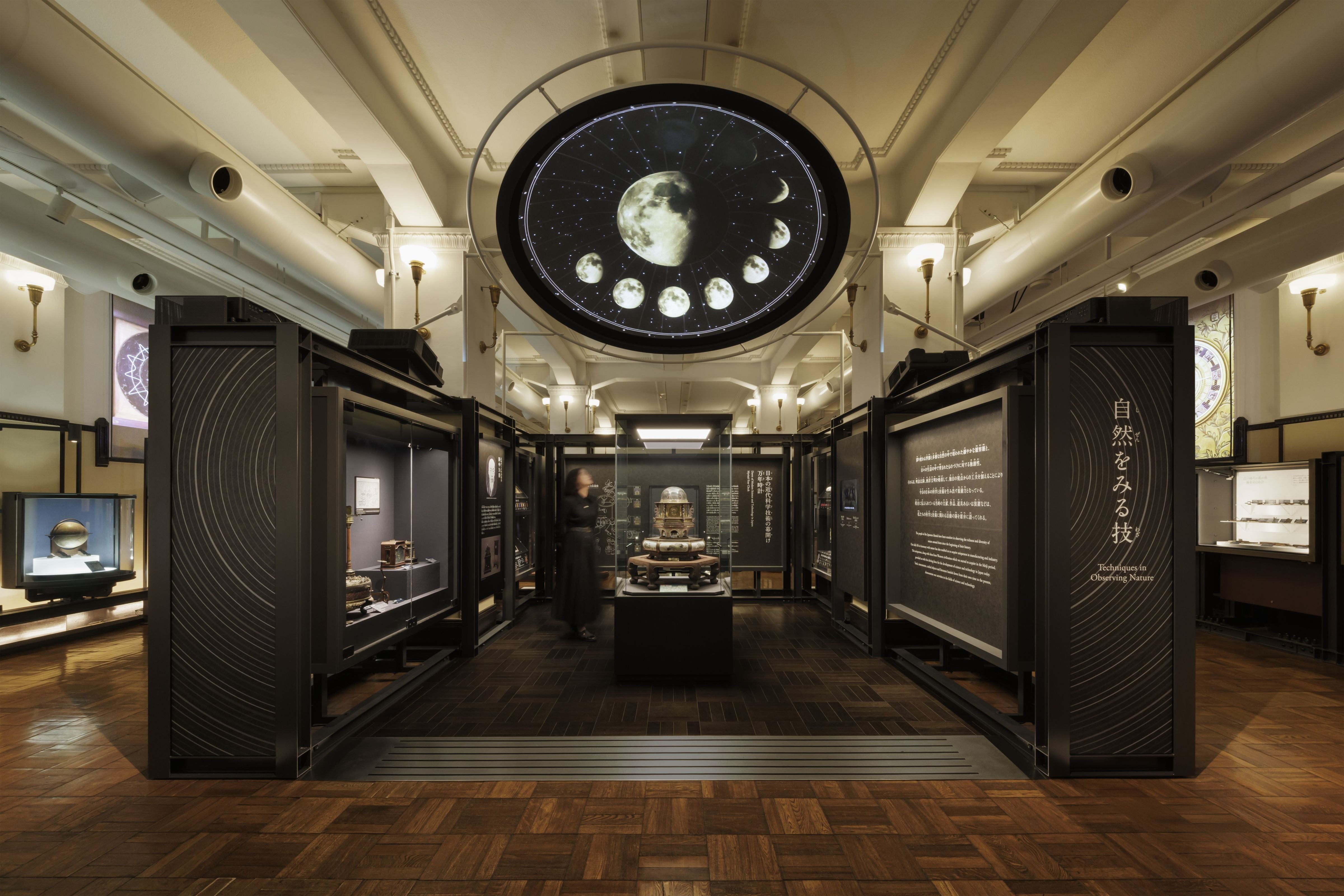
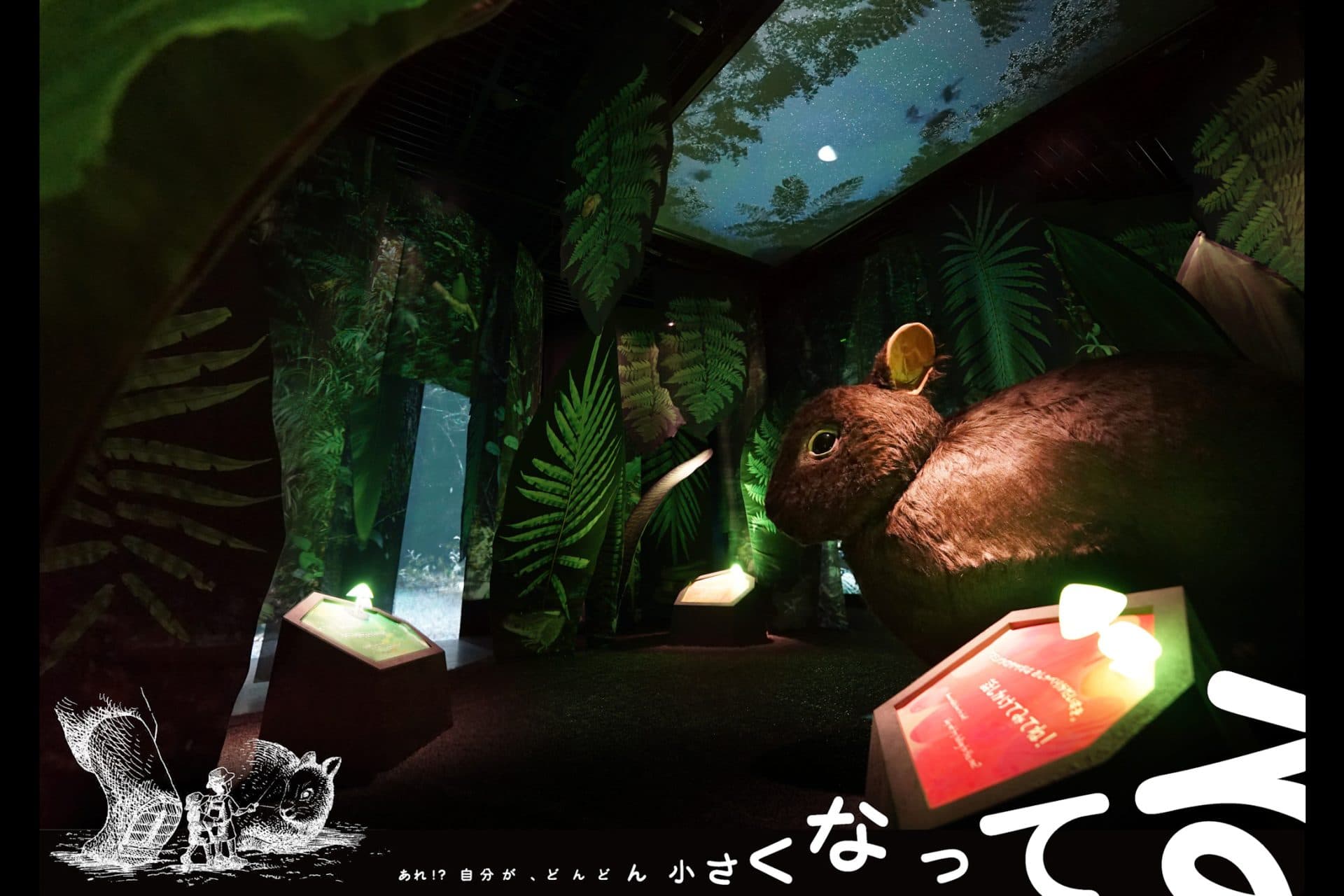
▲Renewal of "Techniques for Observing Nature" on the 1st floor south wing of the Japan Pavilion, National Museum of Nature and Science. Promoted in a joint venture with Tanseisha Co., Ltd. Photo: Masato Kono, Nakasa & Partners Co., Ltd.
Uemura's fascination with the world of space originated during his student days.
"I've always been the type of person who loves making things and interacting with people. I enjoyed turning my own ideas into tangible forms so much that I even attended a design vocational school while I was in university. I'm the kind of person who wants to try anything that interests me, and I belonged to about eight different clubs during my student days."
However, he recalls that what he was most engrossed in was not a club or extracurricular activity, but rather his seminar.
"I belonged to the Spatial Image Research Seminar in the Faculty of Social Sciences. It was a place where we studied space and regional characteristics from a sociological perspective, and what was distinctive about it was that we presented our findings not only in papers but also as exhibition spaces."
Every year, we rent a gallery, create our own space, and present our work there. Things that can't be conveyed through words alone can be conveyed in an interesting way when done in a physical space. I was strongly drawn to the profoundness of that process."
It was around this time that I first learned about Nomura Kogeisha.
"I've always loved museums and art galleries, and I used to visit them often. My favorite was the National Museum of Nature and Science in Ueno. When I was looking for a job, I researched companies that worked on spaces like that, and Nomura Co., Ltd. came up in the search results. When I learned that they were the company that created that space, I had no hesitation."
My focus throughout my job search was consistently on "space."
"I was looking at companies that could create spaces where people could visit and enjoy themselves, focusing on the display industry, advertising agencies, and printing companies. What ultimately made the decision was the atmosphere among the people working there. During my visits with alumni, I found that many of them were easy to talk to and not at all stiff or formal, and I felt that this atmosphere suited me, which strengthened my desire to join the company."
I joined the company as a new graduate in 2019. Before my official assignment, I started with training that allowed me to experience the production process firsthand.
"In the production management training that all employees in their first year at the company took, we learned how spaces are created based on blueprints. It was a period when I truly realized how much effort from so many collaborating companies is involved behind the scenes of a single space."
From my second year, I moved to sales in the Cultural and Environmental Business Division, which was my preferred role. In addition to the renovation of the Niigata Prefectural Museum of Natural Science and the Yamanashi Prefectural Mt. Fuji World Heritage Center, I also handled private projects such as renovating the offices of logistics companies, gaining a wide range of experience."
*Production manager This role involves bringing designs created by clients and designers to life as tangible "spaces." It encompasses overseeing the entire manufacturing process from various perspectives, including safety, quality, budget, and process management.
We tackled this unprecedented challenge together as a team. Before we knew it, we had come to love everything.
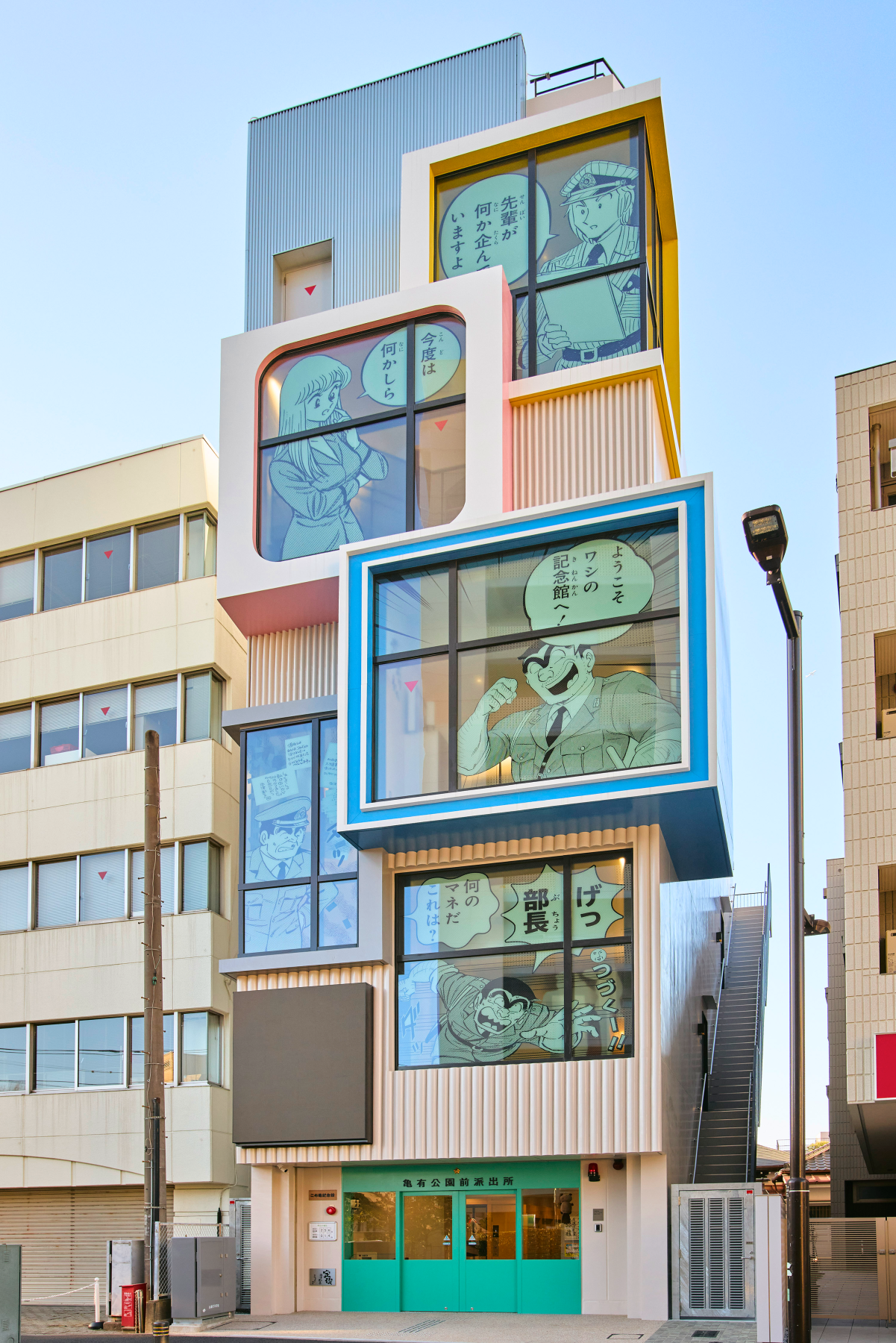
In my third year, after gaining more experience, a major turning point arrived. It was a project to establish a memorial museum for the nationally popular manga "Kochira Katsushika-ku Kameari Koen-mae Hashutsujo" (hereinafter referred to as "Kochikame") in Kameari, Tokyo, which is also the setting of the manga.
"What made this project unusual was that the client wasn't a company that owned content, but a local government. Normally, a different department that handles a lot of IP (character content such as manga and anime) related work would be in charge, but as it was a public project, my department, the Cultural Environment Business Division, took the lead and promoted it across departments. It was an unprecedented undertaking for the division, and I was surprised that I was entrusted with such a big project in my third year."
Moreover, in this project, Uemura will almost single-handedly take on the role of facilitating communication among many stakeholders.
"Initially, I received support, but gradually I shifted to working independently. The difficult part was creating a situation where everyone was in agreement, while separating what we 'wanted to do,' 'could do,' and 'couldn't do,' because there were so many people involved. It was a constant process of adjustment, and I keenly felt how difficult it is to work alone."
However, the atmosphere at the scene was quite the opposite.
"In this project, everyone—both within the company and our clients—truly came together as one. The biggest factor was that everyone involved took ownership of how to create a wonderful place that would become a permanent fixture in Katsushika Ward. Even when challenges arose, no one left it to others; suggestions were exchanged freely, and the resolution process was smooth. Everyone was working towards the same goal. That was the main reason for our success."
Now that I'm in charge, my mindset has changed.
"When I first joined the company, I was focused on how to complete tasks without making any mistakes. Of course, that's important, but I realized that there are many situations where I can't move forward on my own. Now, I think about how to create an environment where those around me can move forward more easily. Even when faced with difficulties, I don't stop; I calmly analyze what the issues are and what's behind them before taking action. That's how I've come to think."
Even so, not everything goes as planned.
"Honestly, I can't just do what I like. But I have a sense of being able to 'love' the work in front of me. Even things that don't seem interesting at first, I naturally come to love as I look at them in a different way. The spaces I'm involved with remain in society for decades, connecting to the experiences and emotions of many people. I find that incredibly rewarding. To put it in one word, it's like I'm doing what I've always wanted to do at Nomura Kogeisha."
Let's pass on this excitement to the next group of friends—to create a memorable experience together.
Now that he's finding fulfillment in the work he's always wanted to do, Uemura is looking ahead to what lies beyond.
"From now on, I want to become someone that people can confidently entrust with more complex and challenging projects. I aim to be an all-around salesperson who possesses knowledge not only about cultural facilities but also about operations, attracting visitors, marketing, and other aspects of creating spaces. Moreover, sales in the cultural facility industry is a truly interesting job because something different happens every day. So, someday, I hope to not only continue to be a player myself, but also to pass on that excitement to younger generations and connect it to the next generation."
Uemura says that the first thing he hopes for in his junior colleagues who will be joining the company is "the ability to think for themselves."
"This job involves gradually shaping something that doesn't have a predetermined right answer, working together with the client. That's why, instead of passively waiting for a finished answer or manual, you need to think for yourself about 'what is needed now' and 'what are the conditions' as you move forward. People who can find that process interesting are definitely suited to this job."
And then he continues, there's one more thing that's absolutely essential.
"Creating even a single space involves so many people. That's why it's important not to try to do everything yourself, but to cooperate with those around you and create an environment where everyone involved can positively contribute their strengths. Also, to create a space that's unlike anything before, you have to know what kinds of spaces already exist. I'd be happy if people would visit various museums on their days off and appreciate the worldviews they present and the spaces that express them."
What Uemura envisions beyond that is a future he will create together with his colleagues.
"Creating public and cultural facilities is by no means easy. There are many stakeholders, and coordination can be difficult. But that's precisely why it's a job that allows you to create valuable spaces that will last a long time in society. I hope to create places that will remain in people's memories and that will have meaning for the community, together with the people I will meet in the future."
Sowing seeds where none existed, and wishing for the happiness of everyone involved—Uemura's challenge to create spaces that will remain in people's memories will continue.
* The information provided is current as of July 2026.
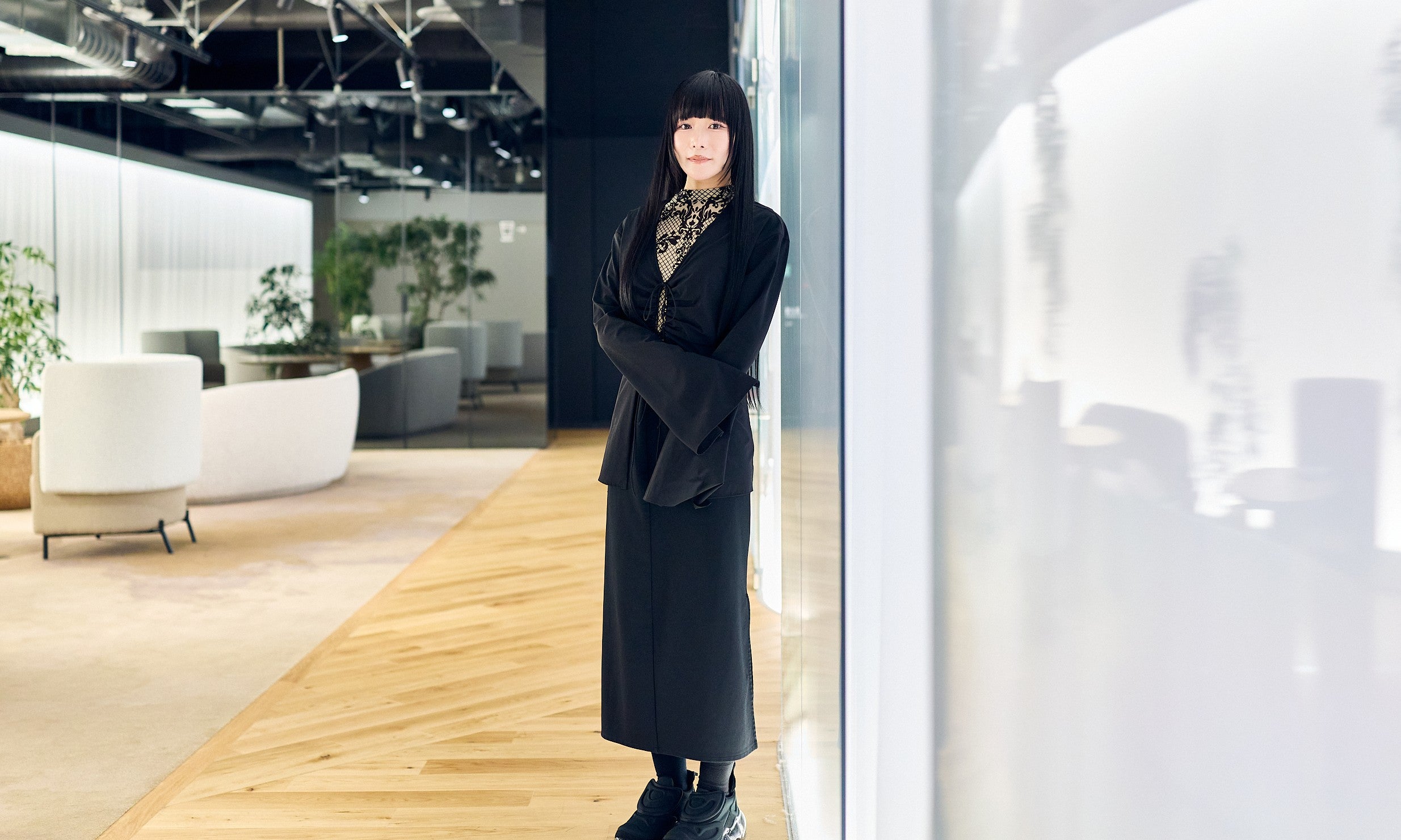
Maria Uemura
I studied social sciences at university. Driven by the desire to "create facilities that leave lasting memories for visitors" and "do work that makes everyone happy," I have been in charge of sales for public cultural facilities since graduating. I have been involved in the construction of facilities such as museums and science centers. I value the importance of trying things out, and I aim to create work that excites everyone involved, while utilizing my curiosity and initiative.
Making everyone involved happy—the work of cultural facility sales, sowing seeds and creating spaces that leave a lasting impression on society and people's memories.
PAGE TOP
Contact us
Please contact us using the button below if you have an inquiry, want to request a quote or request documents. We have created a separate “FAQ page” that lists the most common questions we are asked. Please take a look at this page if you have a question.
This website uses cookies to improve customer convenience and also to maintain and improve the quality of our services. Click the “I Agree” button if you agree to the use of cookies. Refer to the Privacy Policy for details.