
As a hub for professional sports, it aims to recapture the excitement of 30 years ago.
- #Chubu
- #Regional activation
- #Renewal/Renovation
- #2025
- #Architecture
- #Sustainability


Atsushi KanazawaNagano City Sports Department, Sports Division
Assistant Section Chief and Head of Sports Industry Promotion Office
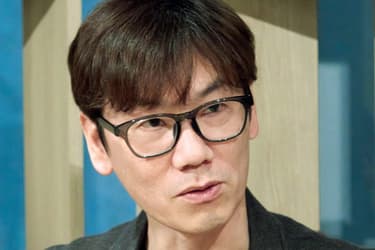
Tomoyuki WatanabeNAGANO SPIRIT Business Division
Head of Regional Promotion Office
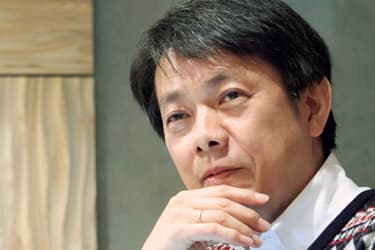
Hiroyuki MigiNikken Sekkei Design Group
Associate
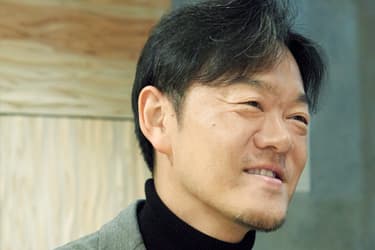
Moritsugu MaekawaNomura Kogeisha
Business Production Division, First Management Department, Development Department 1, Development Section, Chief

Sakiko IwanoNomura Kogeisha
Business Production Division, Architectural Production Department, Direction Section, Designer
Sustainability — Leveraging Legacy for the Future [High-Functionality Project]
Nagano City Mashima General Sports Arena (White Ring)
Nagano, Nagano City
How to maintain and utilize the legacy of large-scale national events such as the Olympics and World Expos? This is a major challenge that always plagues host cities. Rather than simply maintaining the legacy, the goal is to create new value and pass it on to the future. In Nagano City, which once celebrated the Winter Olympics, such a project is underway through a joint effort between the public and private sectors.
The silver-shining "Olympic Legacy"
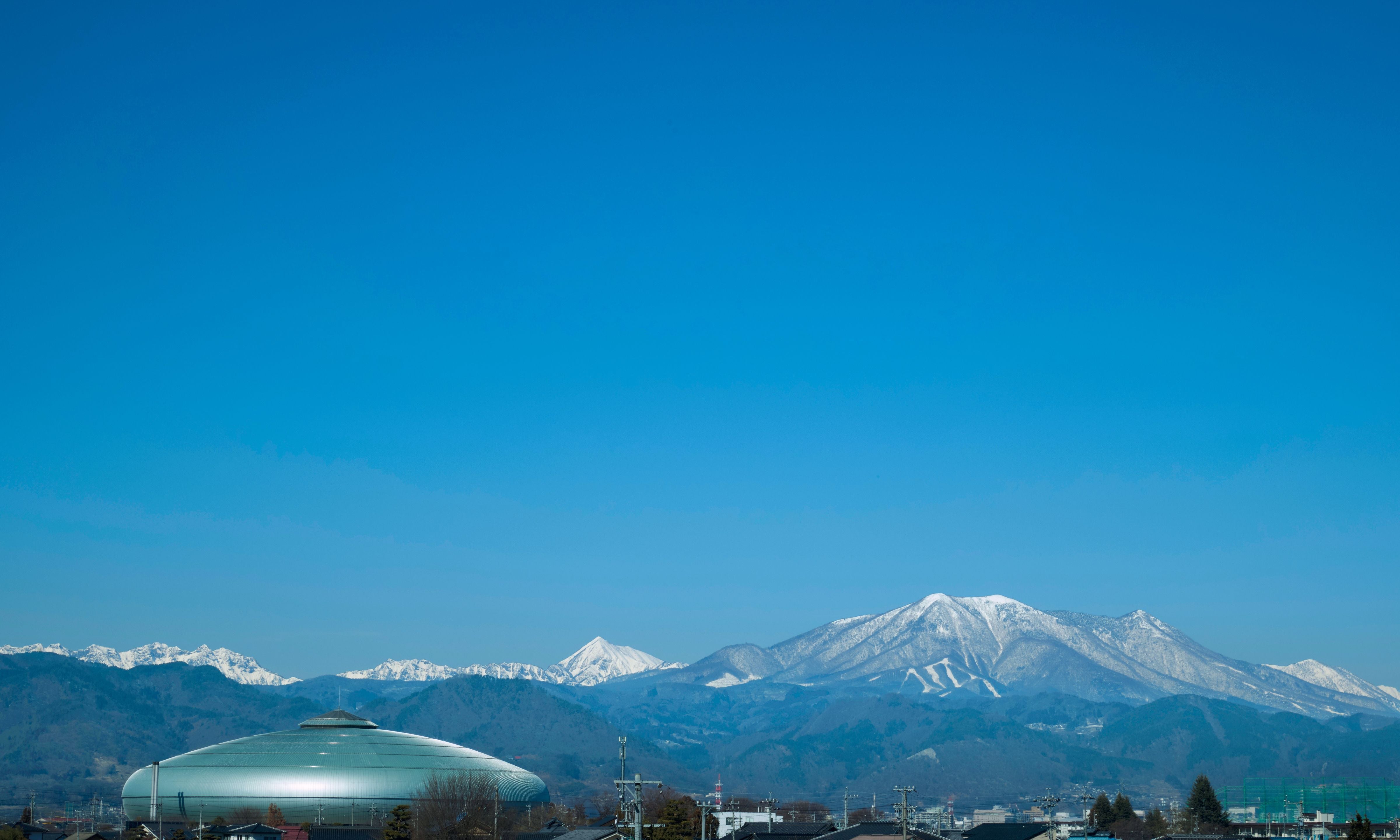
The Nagano City Mashima General Sports Arena stands in an area between the Sai River and the Chikuma River, which flow through Nagano City. Commonly known as the "White Ring," its silver silhouette, resembling a spaceship, blends seamlessly into the rural landscape with views of the distant Shiga Kogen and Northern Alps. Many will remember its striking appearance from the 1998 Nagano Olympics, where it served as the venue for figure skating and short track speed skating.
According to Atsushi Kanazawa of the Nagano City Sports Department, for nearly 30 years since then, the White Ring has been loved by the citizens of Nagano as a familiar place for sports.
"We had envisioned how the sports facilities would be used after the Nagano Olympics from the initial design stage. The M-Wave (Nagano Olympic Memorial Arena), which was the venue for speed skating, has been used as an ice skating rink, the Big Hat (Nagano Wakasato Multipurpose Sports Arena), which was the venue for ice hockey, has been used as a facility where sports and events can be held, and the White Ring has been used as a public gymnasium."
Nagano City has many community gymnasiums that local residents can use on a daily basis, so White Ring is positioned as a gymnasium for major tournaments and other events. It has a very high utilization rate and is well-loved by the citizens."
Kanazawa says that these legacy facilities from the Nagano Olympics were 30 years old and were due for renovations.
"Local governments tend to continue using facilities until they fall into disrepair once they've been built, but Nagano City changed its policy about 10 years ago. We decided to properly reassess the value of facilities and maintain and utilize usable facilities for as long as possible. So, we've been carrying out life-extending renovations on facilities that we want to continue using, and the White Ring was one of those projects."
The wall of 5,000 seats in the arena
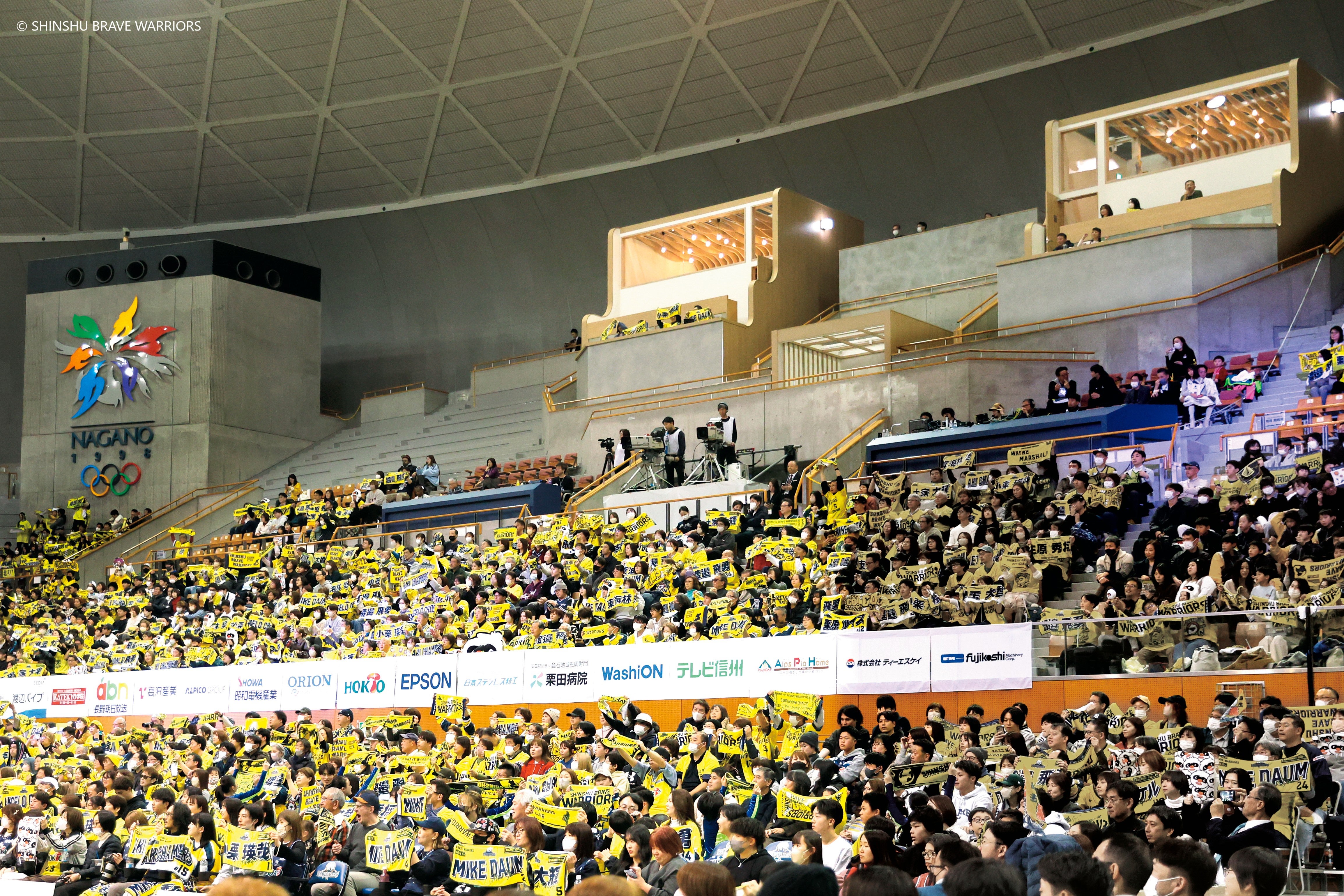
At that very moment, the opportunity arose to turn the arena into the home arena for the Nagano Prefecture professional basketball team, the Shinshu Brave Warriors (hereinafter referred to as the Warriors). Tomoyuki Watanabe of NAGANO SPIRIT, the company that operates the Warriors, says:
"The Warriors originally started when a group of volunteers in Nagano City got together and wanted to create a professional basketball team. However, at that time, there were already professional sports teams in the area, such as baseball and soccer, so it was difficult to establish a basketball team. That's when we received an offer from the neighboring city of Chikuma to do it as part of a local revitalization project, and we launched the team in Chikuma City in 2011."
Initially, the team belonged to the bj League, but when the two leagues merged in 2015 to form the B.League, the Warriors moved to the B2 category. Watanabe continues:
"At the time, there were facility requirements for dividing teams into B1 and B2. B1 teams needed to have home arenas with more than 5,000 seats. Our home arena, Kotobuki Arena Chikuma, did not meet this requirement. That's why we started in B2."
However, when we started in B2, we had incredible momentum. With a new coach and a new team structure, we were dominating the league at the time. The team's desire to move up to B1 grew stronger with this momentum. So we consulted with Nagano City, which has a 5,000-seat arena, and they accepted our request. In the 2019-20 season, Nagano City officially became our hometown, and the White Ring became our home arena."
Kanazawa says that it was a welcome development for Nagano City, the receiving city.
"Nagano City has a high level of affinity for and understanding of sports among its citizens. That's why they're very welcoming to professional sports teams. Of course, there's some opposition, but compared to other cities, there's a relatively good environment for accepting professional sports. The experience of the Nagano Olympics is still alive and well, and even in citizen surveys, the evaluation of the Nagano Olympics remains high. The very consciousness of the citizens is truly an Olympic legacy."
Coincidentally, the B.League announced a revision of its B1 and B2 category system. As part of "B. Innovation," B1 will be rebranded as B.Premier starting in the fall of 2026. At the same time, entry requirements for B.Premier have been established, and the criteria have been changed to place more weight on business performance compared to the current league, including attendance, revenue, and arena facilities. The Warriors have cleared the B.Premier screening process, and it has been decided that they will be active in B.Premier from October 2026.
Let's get it ready for the 2026-27 season.
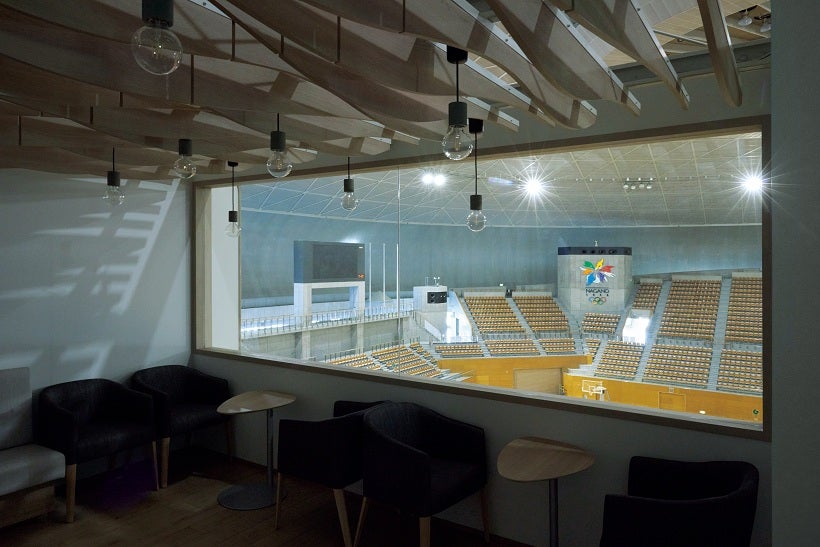
For Nagano City and the Warriors, who are renovating White Ring in time for the transition to the B Premier League, adapting the arena to meet B Premier League standards became an urgent task.
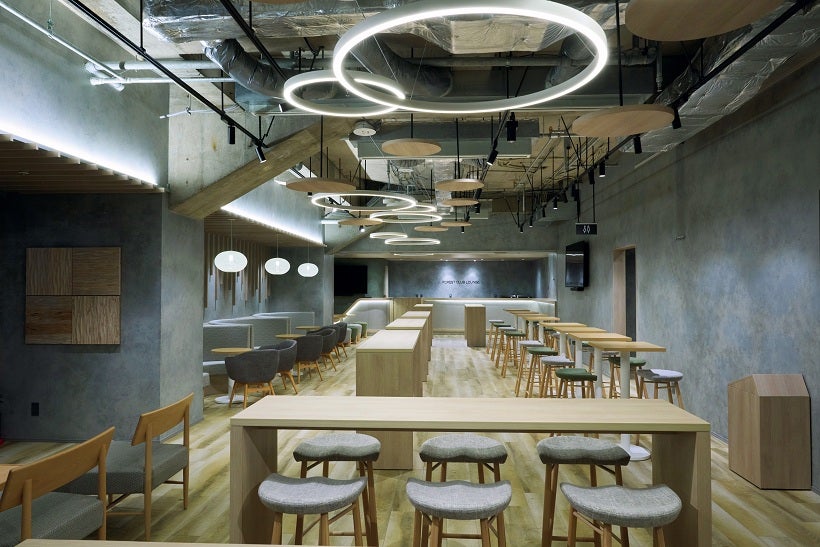
"The main requirements for B Premier League facilities are the number of seats (5,000), suite boxes, lounges, and restrooms. The White Ring was originally an Olympic venue, so it has more than 5,000 seats, which is not a problem. The challenge was how to set up the suite lounges and other facilities," said Kanazawa.
However, there wasn't enough time. Normally, to renovate city facilities, each renovation project is put up for a separate bid, and orders are placed on a yearly basis. That wouldn't be enough time for the 2026-27 season. So, a special scheme was put in place. Mr. Watanabe explains.
"We consulted with Nagano City and had many discussions. The scheme that emerged was for NAGANO SPIRIT to take the lead in carrying out the renovation work, with Nagano City providing support. Normally, they would probably just say 'that's impossible,' and that would be the end of it, but we went to talk to them again and again. Each time, the city officials listened patiently to us."
Kanazawa says:
"The goals were clear, and the tasks required to achieve them were also well-defined. That's why I think the city government worked closely with the planers until the very last minute to make adjustments."
I was thinking of declining.
The White Ring was designed by Nikken Sekkei 30 years ago. For this renovation, Nikken Sekkei was the first to be approached. Hiroyuki Ugitaka of Nikken Sekkei, who was a young member of the design team 30 years ago, said he was thinking of declining the renovation.
"The legal regulations have changed since then, so first of all, it's legally difficult. I came to the meeting intending to decline, but there were a lot of city and Warriors executives there, and the atmosphere was so enthusiastic. It wasn't an atmosphere where I could refuse, so I took it back to think about it."
The biggest obstacle to the renovation is the legal disaster prevention standards. White Ring had certification under Article 38 of the Building Standards Act at the time, but since then, the legal regulations have changed, and the general principle is that it must not only conform to the current evacuation plan and evacuation verification method, but also to all current laws. That's why we have to decline."
However, it was Nagano City's response that allowed them to overcome that challenge. Mr. Ukitaka continues:
"I spoke with the building department in Nagano City. The person in charge was very positive, and we also consulted with their supervisor. We worked together to determine what kind of safety-oriented documents should be compiled based on the currently submitted disaster prevention plan. Thanks to their cooperation, we were able to compile documents showing that even if the building is renovated while remaining under the existing non-conforming (old law) regulations, the safety of the disaster prevention and evacuation plans can be ensured as before, and they were able to determine that the renovation was permissible."
In parallel with inquiries about architectural renovations, Nomura Co., Ltd. was commissioned to handle the interior renovations. The B.League has established arena standards as a requirement for obtaining a B.Premier license. This is because they position the arena as the core of "creating a dream city" and as a driver of revitalization that brings profit to the region.
Moritsugu Maekawa of Nomura Kogeisha says
"The Tokyo 2020 Olympics marked a turning point, and it changed Nomura Co., Ltd.'s role in sports competitions and events. Previously, we were often only in charge of a small part of a facility, such as a shop or museum. Now, we're responsible for creating the overall appeal of the facility, including the stadiums."
When I was in charge of a seminar for clubs at the "Arena Sharing Session," an event hosted by the B.League to share knowledge about arena construction and initiatives from various regions, I spoke about the "dream arena," incorporating case studies. And then, I received a call almost immediately."
Overcoming challenges through negotiation, and more negotiation.
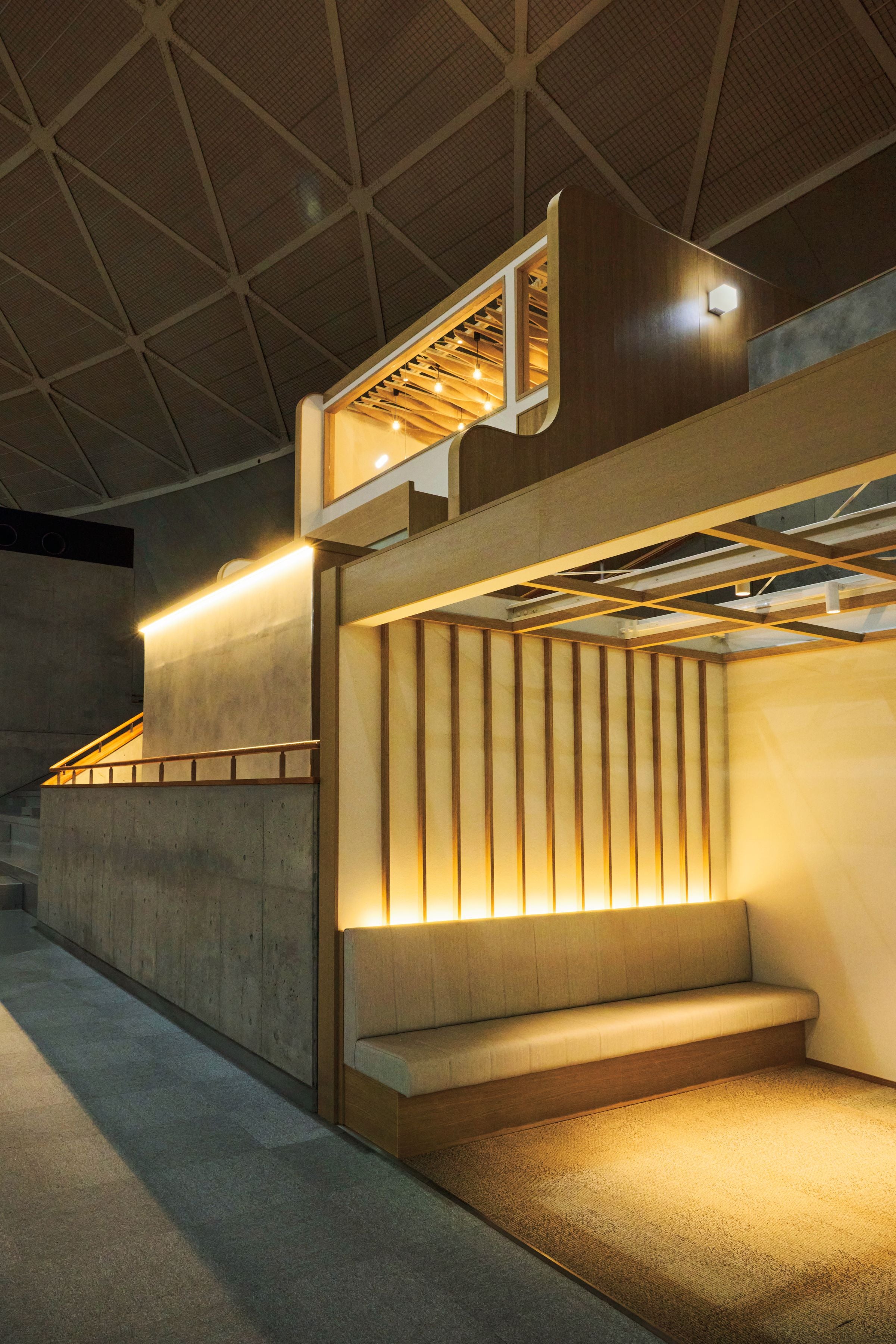
Thus, the renovation work began with all four parties, including the city, working together. According to the B Premier League arena regulations, a certain percentage of the total seating capacity must consist of suite boxes (private rooms) and lounge-only seating, and a lounge is also required for their users. These are the most visible areas of renovation.
The White Ring has over 5,000 seats, so there are no space issues as only a portion of them need to be reallocated. However, there were several hurdles unique to renovations, unlike those faced when building a new venue.
"For example, according to the detailed rules, a suite box needs a roof. However, due to fire safety regulations, it's not possible to add covered private rooms to existing spectator seating," (Watanabe).
"In older arenas, box seats were often enclosed. I think that was for privacy and security reasons. But recently, in arenas in the US and elsewhere, there's been an increase in open balcony seats and open private rooms. In basketball, you want to experience the sound of the shot going 'bang' live, right? We all went to persuade the B.League, promising that we would provide separate private rooms where privacy could be protected," (Mr. Migitaka)
"In the end, instead of a fixed roof, we proposed a louvered ceiling with a translucent design, and that was approved. There were many regulations and challenges that we had to overcome, such as securing evacuation routes, so we all brainstormed ideas together and negotiated each one," (Maekawa).
What makes Nagano City unique?
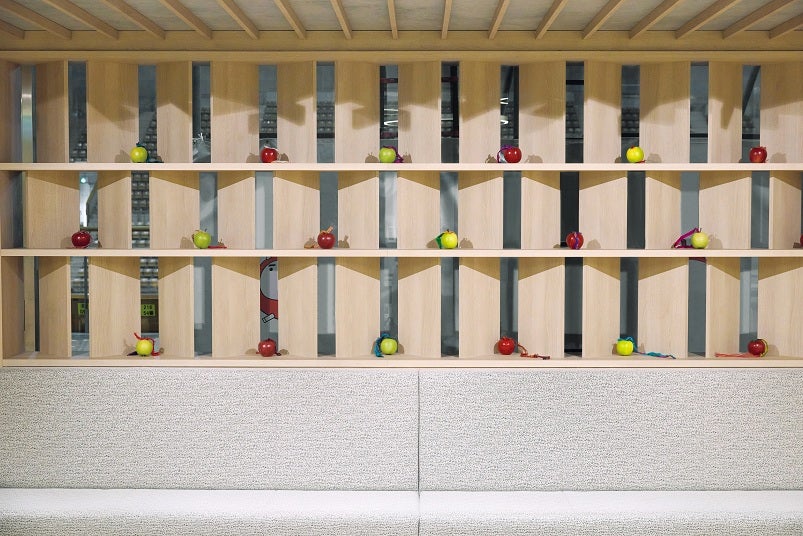
The design of the suite boxes and lounge was handled by Sakiko Iwano, a designer at Nomura Co., Ltd. Iwano says that there were quite a few twists and turns before they arrived at a design that everyone involved was satisfied with.
"Since it's a suite, we wanted to create a special viewing experience, not just ordinary seats. In other arenas, special lounges are often based on a sense of luxury and edgy design. "Brave Warriors" means warrior or samurai, so we wanted it to be even cooler. We even considered the idea of painting samurai illustrations on the walls with ink. When we proposed the design with that in mind, the city officials said, 'Something's not right. It doesn't feel like Nagano City.'"
From there, a heated discussion ensued among those involved. As a result, Iwano made a major change in the direction of the design.
"Ultimately, it came down to deciding how much of the Warriors' style to incorporate and how to include the regional characteristics and local flavor of Nagano City. During the discussions, Nagano City came up with the concept of creating a design that would be easily accepted by Nagano citizens and that would match the sensibilities of the city, and I was convinced by that."
But what exactly is "Nagano-ness"? Everyone suggested things like the feeling of being in the forests of the mountains, the warmth of the untreated, locally sourced timber, and as keywords, comfort and softness. Looking at the White Ring again, it's massive with concrete but has soft curves, and all the spectator seats are made of wood. It's rather sturdy and robust, with a strong sense of materiality and warmth. And curves. We incorporated these elements and, with everyone's agreement, arrived at the final design."
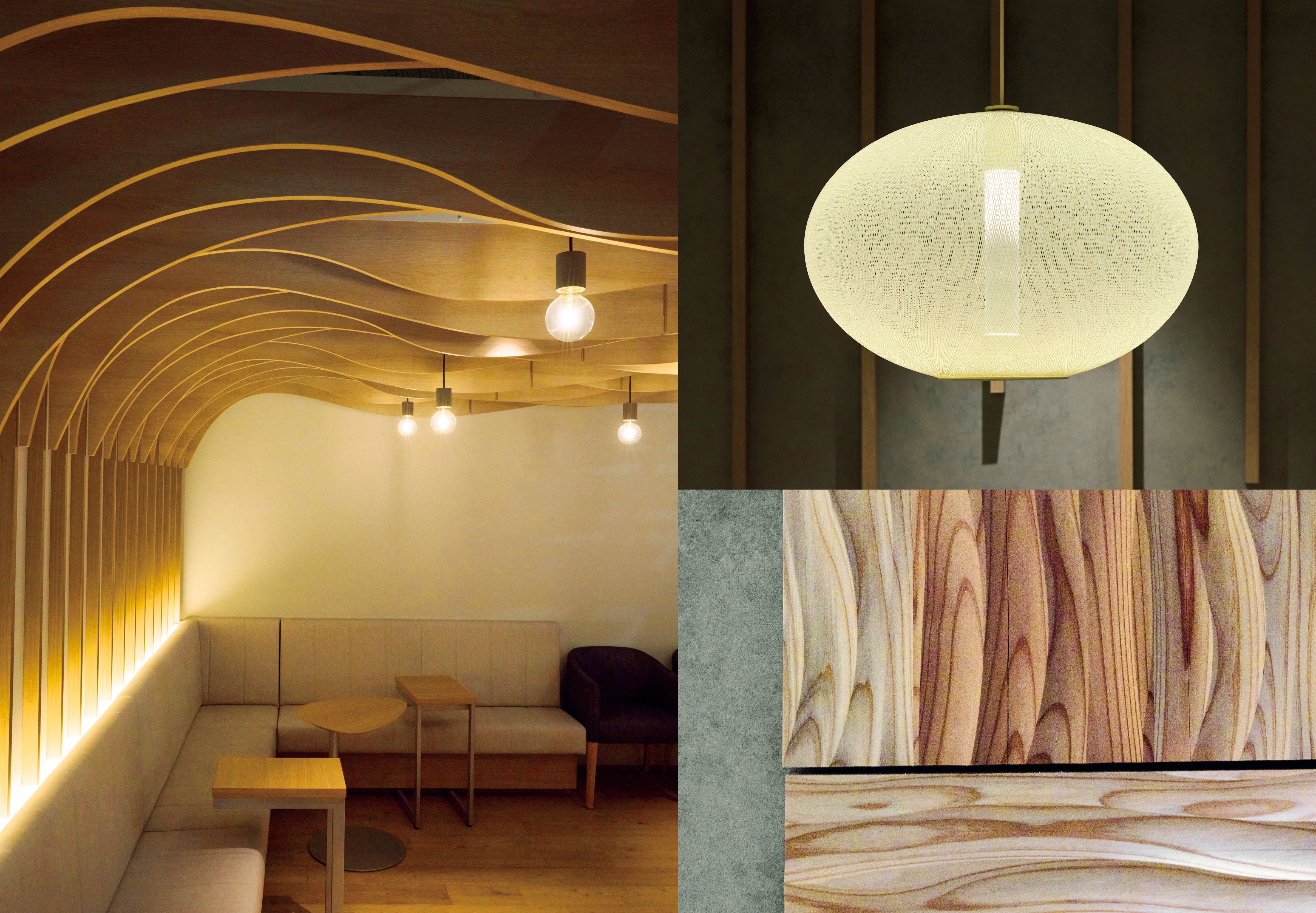
The completed lounge makes extensive use of wood, and the softly shaped furniture and lighting create a gentle atmosphere. The Suite Box has a two-tiered structure with a room and a terrace seating area, and the room's floor uses chestnut wood from the prefecture, again creating a soft, woody image. They studied how to create a sense of independence and exclusivity, a feeling of openness, and angles that would allow for the best views of the matches.
Regarding the interior design, Mr. Ukitaka offers the following perspective.
"It blends in with Nagano's nature, and the design is indescribable. It's like it gains color when people are there, which is wonderful. Nagano's kindness lies in its people. When you watch the matches, the supporters will applaud the players' efforts even if they lose."
A 30-year-old concept that's still relevant today.
The first phase of renovations will be completed by the end of 2025, and the second phase will continue in 2026. The second phase will prioritize high-performance renovations to enhance the arena's appeal, such as increasing the number of suite boxes, followed by life-extension renovations to ensure the White Ring, which is 30 years old, can be used for a longer period.
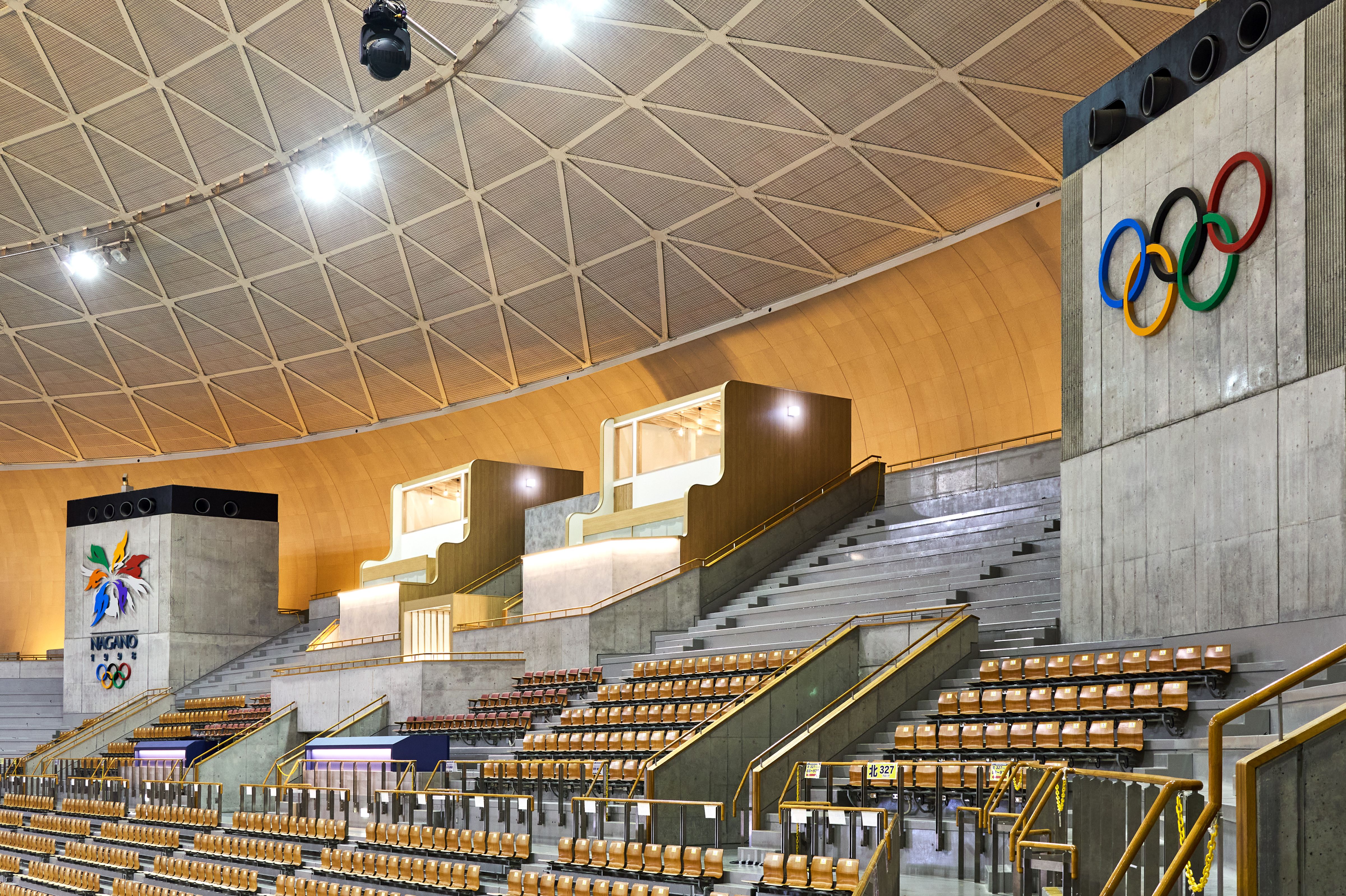
"Currently, we have two completed suite boxes, but we plan to eventually have 14 of them. Instead of making them all the same, we plan to offer a variety of viewing experiences, such as a family room for those with children," says Iwano.
"When we visited other arenas, we noticed that the private rooms were mostly for corporate use. But we started with rooms for the general public, and added rooms for corporations later. As a result, we ended up putting a considerable burden on them in terms of design and development," (Watanabe).
Maekawa from Nomura Co., Ltd. said that they were able to overcome all the hurdles through the collaborative efforts of everyone involved.
"With the Warriors at the core, we've had various encounters with the B.League, Nikken Sekkei (the original architect), and Nomura Kogeisha, and we've been able to build close relationships. Nagano City is backing us up, and what's more, everyone's goals are all aligned. You don't often find a project like this."
In extending the lifespan of the arena, renovations to the equipment are essential to bring it up to modern arena functionality, says Mr. Ugitaka of Nikken Sekkei.
"First, we need to update our disaster prevention equipment. Then, our air conditioning, electrical, and communication systems are 30 years old, so they need to be upgraded in terms of performance. For international competitions like the Olympics, we used temporary equipment for special effects and broadcasting, but that was removed after the Nagano Olympics. So we need to consider installing new equipment."
The lighting needs to be changed from sodium lamps to LEDs that allow for more stylistic effects, and the trumpet-shaped speakers hanging from the ceiling will be replaced with line array speakers arranged in a J-shape to produce clearer sound. We've incorporated our vision into the design, considering not only B.League games but also the perspective of everyone who uses the White Ring. It will take about five years to complete all the renovations.
This time, I was involved with the White Ring for the first time in 30 years, and what I realized again is that the building's concept hasn't become outdated. Currently in the U.S., open arenas where the concourse and arena are integrated are the mainstream, but that was built 30 years ago. That's why we were able to transform it into a modern arena without changing the spatial elements. The work from 30 years ago is still relevant today."
Passing on the legacy to future generations as a source of pride for the citizens.
Mr. Kanazawa from Nagano City says that the citizens are pleased with this upgrade to a more functional building.
"The citizens of Nagano are very proud of the Olympic facilities and have cherished them greatly. We are renovating them to maintain their high quality, and now we will be able to show B.League games there. This adds value to the legacy, and not only the citizens but also many city employees feel its value. We will maximize that value. We aim to create not only economic and social value, but also to foster community and civic pride."
Warriors' Watanabe says he wants to pass on the Olympic legacy to the younger generation through B.League games.
"I was about 20 years old when the Nagano Olympics were held, and I still vividly remember the excitement. Now the White Ring will be filled with spectators, and the passion for sports will be at its peak. I think letting today's young people experience that is the very essence of passing on the Olympic legacy."
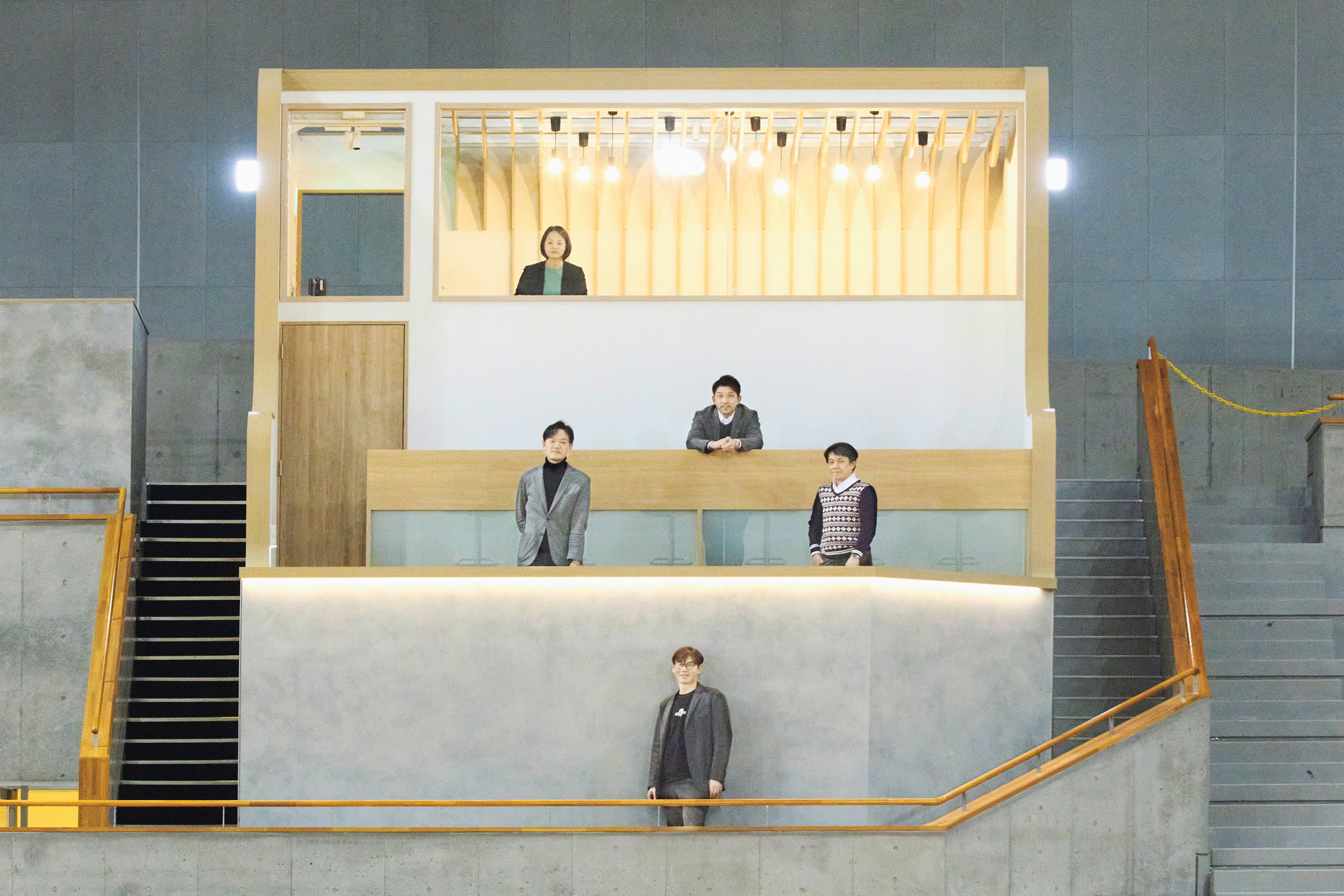
(Interview conducted in February 2026. Titles in the article are as of the time of the interview.)
Interview and text by Tsuyoshi Nose (former editor-in-chief of Nikkei Trendy)
Photo by Kenta Yoshizawa
profile
Atsushi KanazawaNagano City Sports Department, Sports Division
Assistant Section Chief and Head of Sports Industry Promotion Office
Tomoyuki WatanabeNAGANO SPIRIT Business Division
Head of Regional Promotion Office
Hiroyuki MigiNikken Sekkei Design Group
Associate
Moritsugu MaekawaNomura Kogeisha
Business Production Division, First Management Department, Development Department 1, Development Section, Chief
Sakiko IwanoNomura Kogeisha
Business Production Division, Architectural Production Department, Direction Section, Designer
NOMURA's Media

- NOMURA Co.,Ltd.SCENES


Please contact us using the button below if you have an inquiry, want to request a quote or request documents.
We have created a separate “FAQ page” that lists the most common questions we are asked.
Please take a look at this page if you have a question.