
Drawing out children's passions through numerous experiences [Part 1]
- #Kansai
- #Renewal/Renovation
- #2025

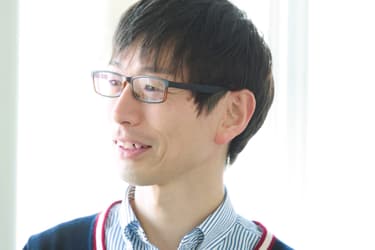
Noriyoshi MinowaSekisui House
Communication Design Department, CX Design Office / Kids First Group, Group Leader
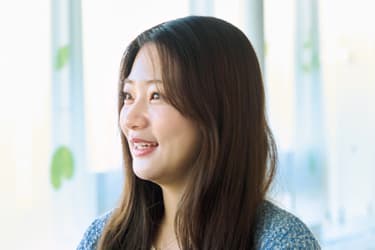
Rieka YashiroSekisui House
Communication Design Department, CX Design Office
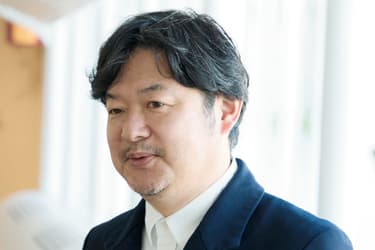
Ryo OnishiNomura Kogeisha
Creative Division, Creative Production Center, nora, Department Head / Design Director
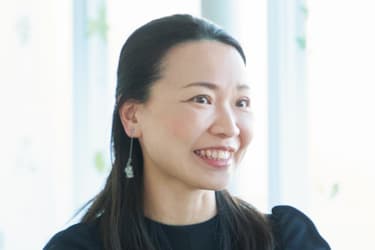
Tomoko YokotaNomura Kogeisha
Creative Division, Planning & Production Center, Planning Department 3, Room 8, Room Chief
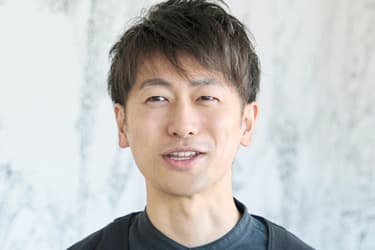
Tetsuya Kawamura'sIndependent Research Group / COLEYO
Planning & Design - A home-based educational facility that fosters creativity through play.
JUNOPARK
Kizugawa City, Kyoto
How do you blend the enjoyment of visitors with the message a company wants to convey? This is a common challenge for many facilities established by companies. We thoroughly discussed what "happiness" means to children and broke it down into a concrete image. Then we created a concept that would captivate children. A new kind of corporate communication space has been born.
The impressive skyscraper suddenly collapses.
The children split into four teams and started simultaneously. Their challenge: building a tower. Wearing helmets and safety glasses, the children held wooden rods about 50 cm long and plastic joint balls with many holes that allow for free angle adjustment. They connected these together to build a tower. It was an experiential activity called "2-meter tower construction," where they competed to see how high they could reach within the time limit.
As the time limit was up, the excited voices of the children quieted down, and it was time for height measurement. Teams that exceeded the 2.5m measurement scale were met with loud applause and cheers. However, it wasn't over yet. In the subsequent earthquake resistance test, the base of the towers shook as if in an earthquake. Several towers collapsed miserably. This time, voices of disappointment rose from the children.
The crew immediately speaks to the children, lecturing them on the shapes of earthquake-resistant structures. Each team holds a strategy meeting and tries again to build an even more earthquake-resistant tower. Some children are so delighted to see their towers grow taller and stronger that they return again and again, while it's not uncommon to see adults in family teams working even more seriously than the children.
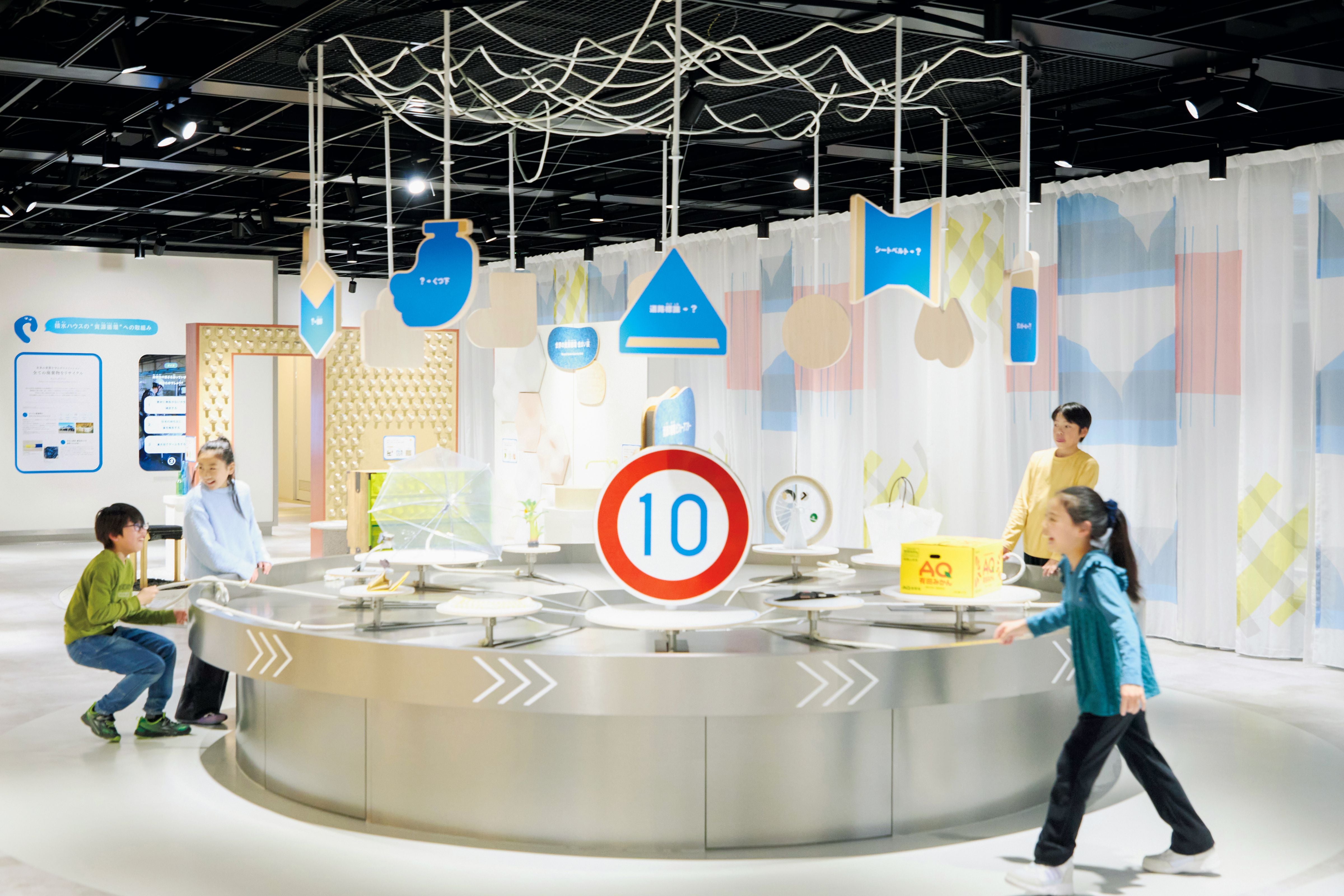
In the "Strategic Athletics" activity themed around universal design, children navigate an obstacle course. Initially, every child on the team easily completes the course. However, in the second round, they wear equipment that simulates the experiences of people with disabilities affecting their eyes, hands, or legs, as well as pregnant women and those using wheelbarrows to carry goods. Despite the encouragement of their teammates, many children drop out midway through the course, and their scores fall far short of their first-round performance.
After everyone is seated, the crew gives a lecture on how to remove obstacles from the course, and each team holds a strategy meeting. The children discuss which parts of the course are difficult and begin modifying them. Then comes the final challenge. They attempt the modified course while wearing their braces. As more children reach the goal and points are scored, the team becomes more and more excited.
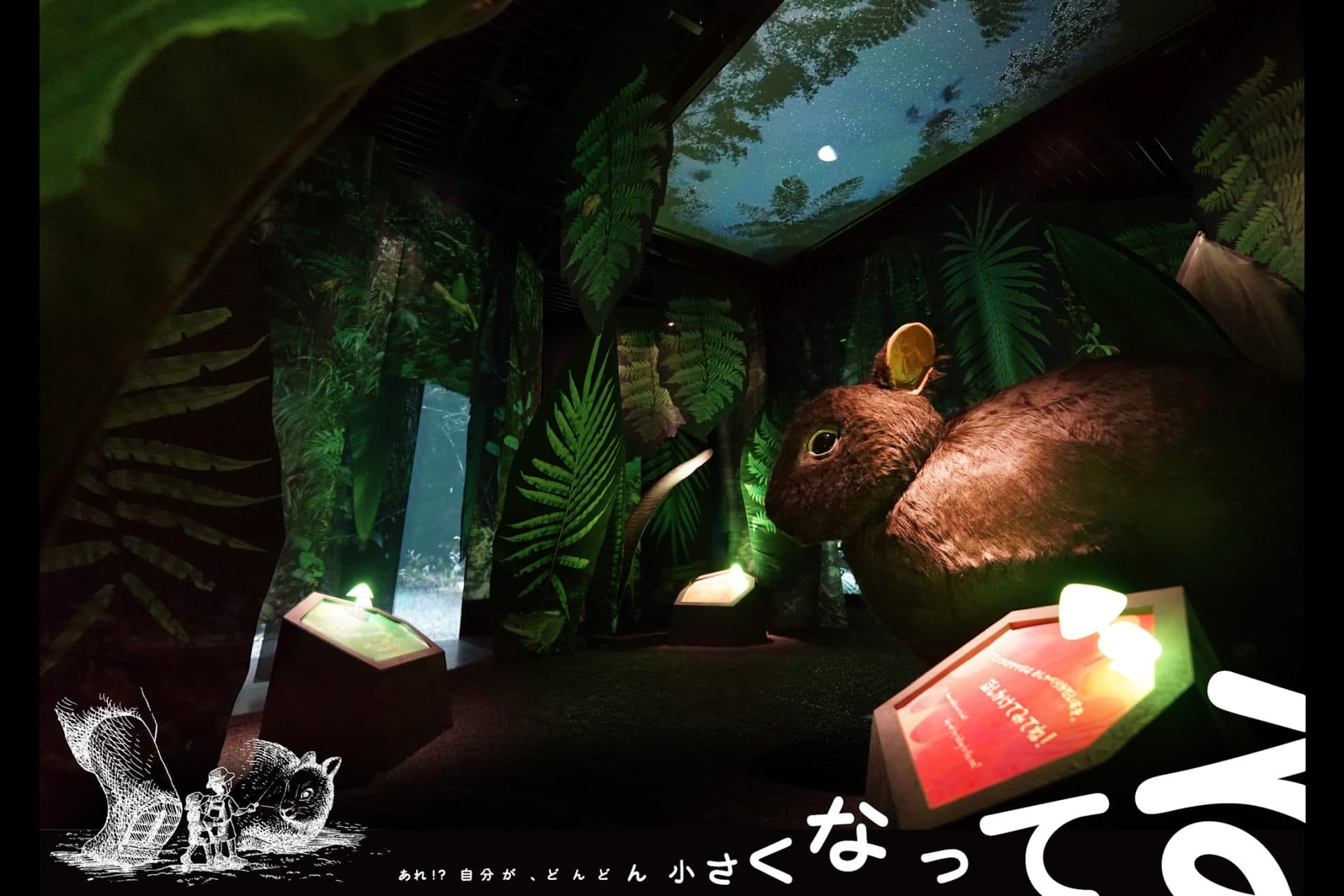
Opened in August 2025 in Kizugawa City, Kyoto Prefecture, JUNOPARK by Sekisui House is a "housing education edutainment facility" designed to nurture children's sensibilities. The facility features five experiential activities and 22 experiential galleries, each focusing on one of six themes: "design," "structure," "universal design," "living environment," "resource recycling," and "natural environment." The aim is to cultivate a sense of happiness in everyday life by allowing children to learn about housing-related themes in an enjoyable way.
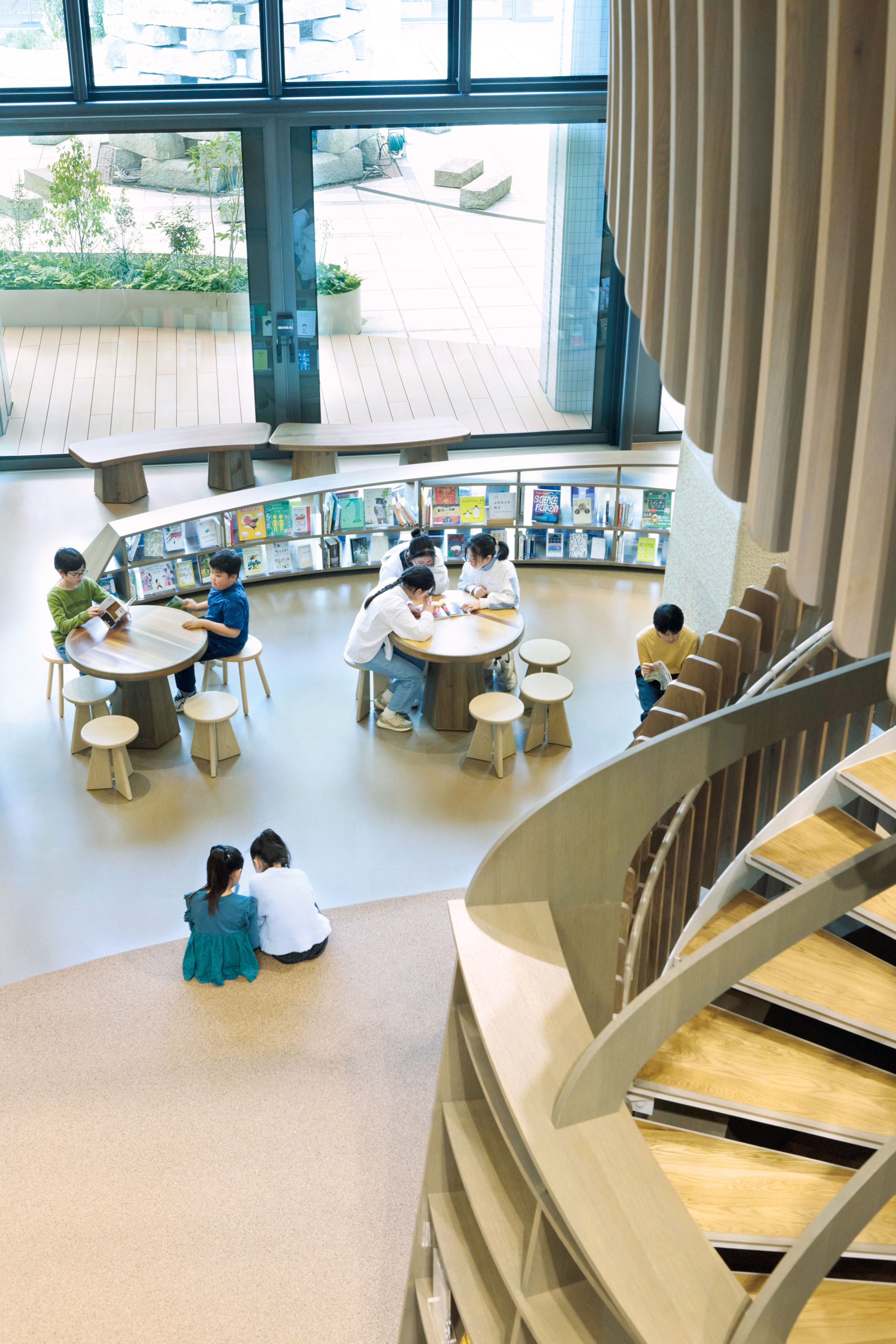
Throughout the spacious four-story building, the lively voices of children echo throughout the day, and in the large central atrium stands a spiral staircase reminiscent of a giant tree. Children energetically climb the stairs, others quietly open books in the library space at the base of the tree, and some are captivated by the interactive gallery. Each child finds their own favorite spot and spends their time as they please.
Children's passions nurture their sensibilities.
JUNOPARK was formerly the "Nattoku Kobo," an experiential research facility attached to the "Sekisui House Comprehensive Housing Research Institute," which conducts research and development of housing technology. When considering its renovation, Sekisui House first held thorough discussions within the company, according to Kenryo Minowa of Sekisui House.
"Nattoku Kobo was a facility where customers could see the results of our research institute and use them as a reference when choosing a home. The renovation started because it coincided with the timing of our management policy announcement that we want to become a company that can do something for the next generation and a company that can provide happiness."
However, because the theme was so grand, it was not easy to concretize the concept for the new facility. Rieka Yashiro of the company, who led the project, explains:
"When I first joined, there wasn't a concept yet, but I was told we would create a facility with the theme of 'happiness.' But 'happiness' is too abstract and hard to understand. We asked an advertising agency to hold a competition, but the proposals didn't match the image we had in mind. So, instead of sticking to the vague concept of 'happiness,' we decided to start over from defining the theme again. We decided to think about what we wanted to do from a blank slate."
Over the next three to four months, we discussed things like, "What kind of company is Sekisui House?" and "What does Sekisui House want to convey and leave behind for the next generation of children?" We had people from related departments join us, and we continued group discussions for a long time. As a result, the six themes that JUNOPARK currently advocates have emerged."
However, the discussion didn't end there. How can we achieve "children's happiness," which is connected to the six themes? Yashiro says they continued the discussion, delving deeper into each of these questions.
"How can we make children happy? We discussed what our employees were passionate about in the past and interviewed experts. What we realized was that for children to be happy, they first need a heart that can feel rich. To cultivate a heart that can feel rich, they need to be passionate. And to be passionate, they need to have many experiences."
In other words, children can discover something they are passionate about by having many experiences, and their sensibilities are nurtured through that passion, and that nurtured sensibilities leads to happiness—that's the four-tiered pyramid we created, and that became our concept."
The important thing is to be able to fail properly.
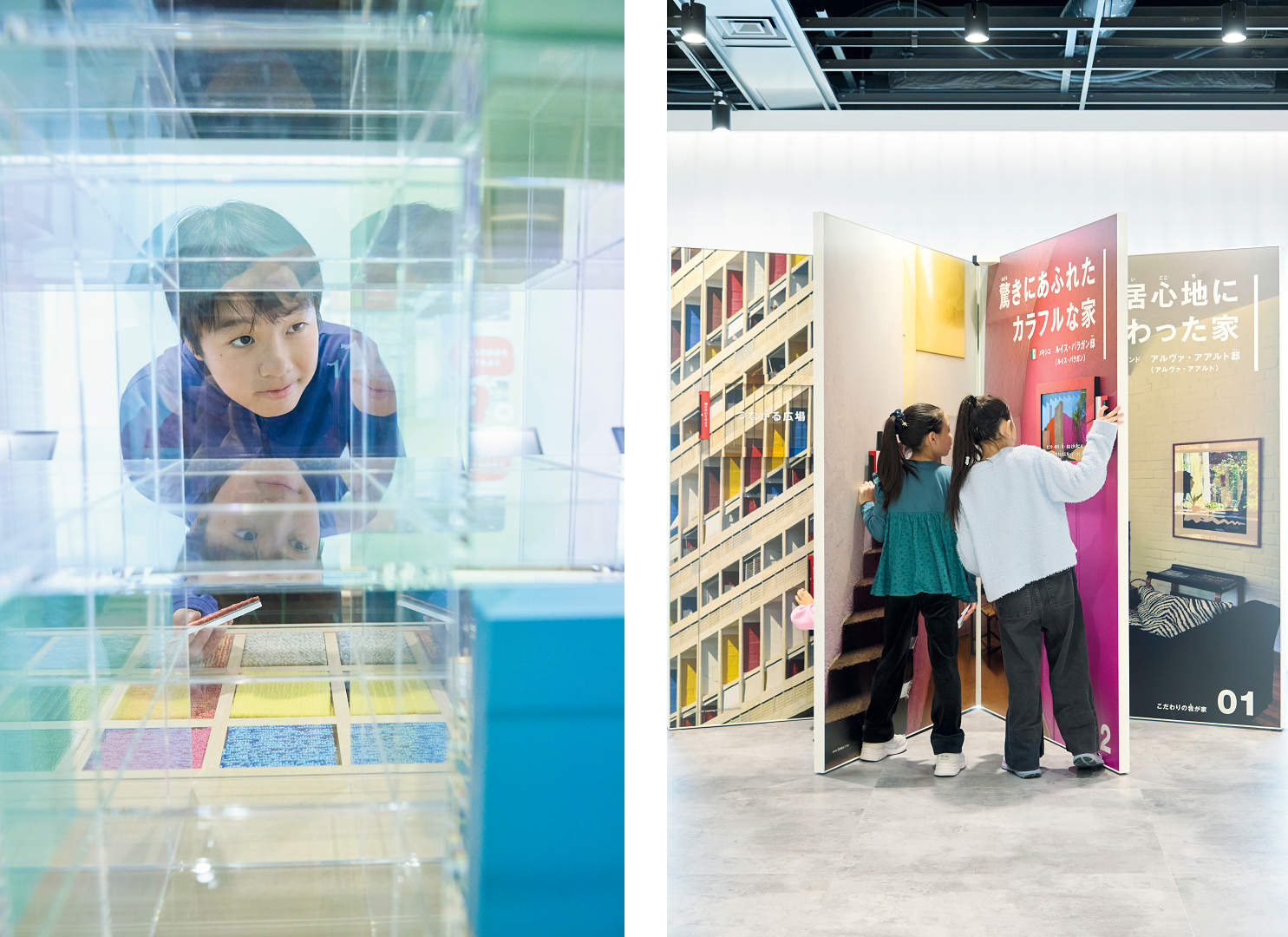
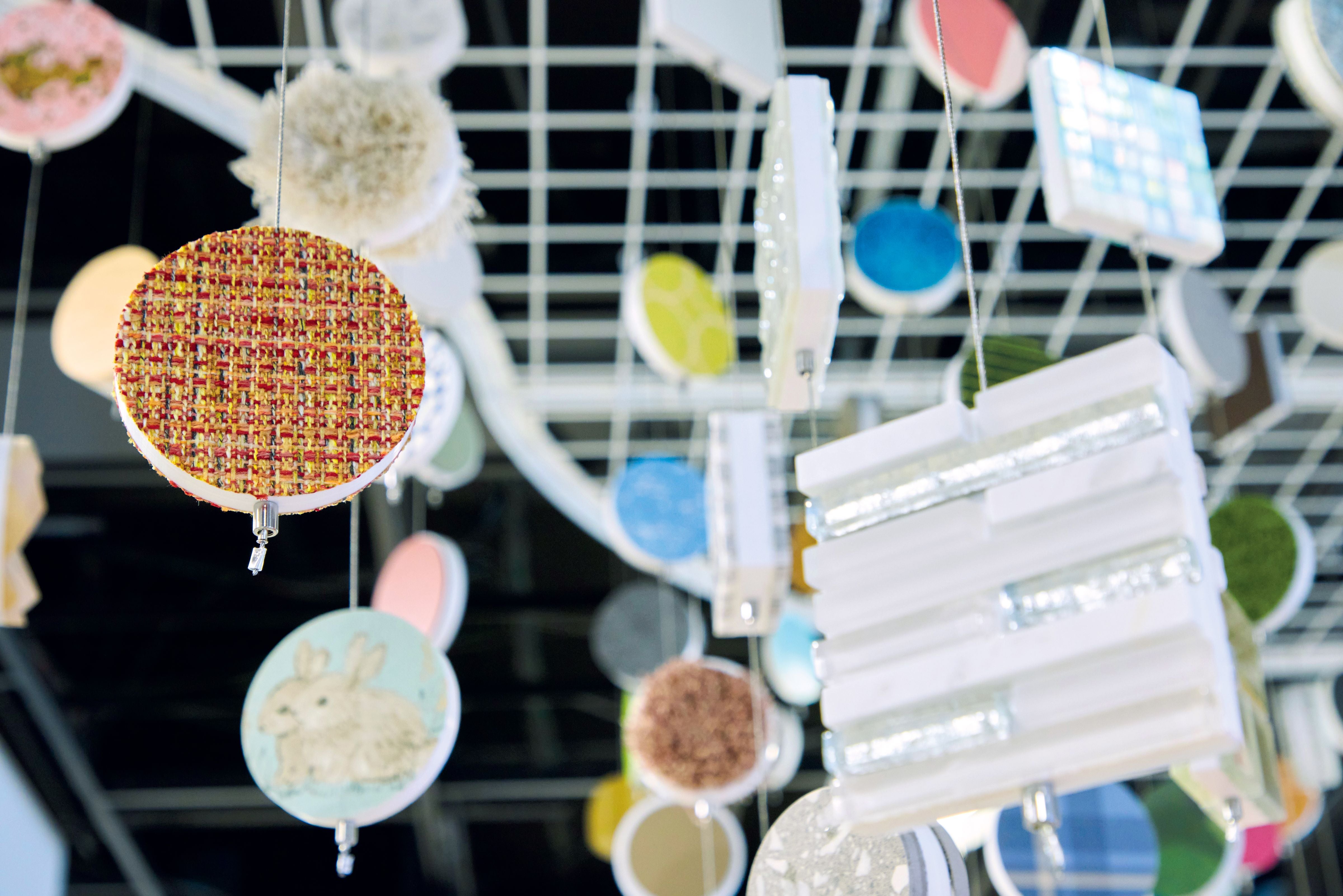
Right: All the exhibits in the interactive gallery are designed so that children can discover something by interacting with them themselves.
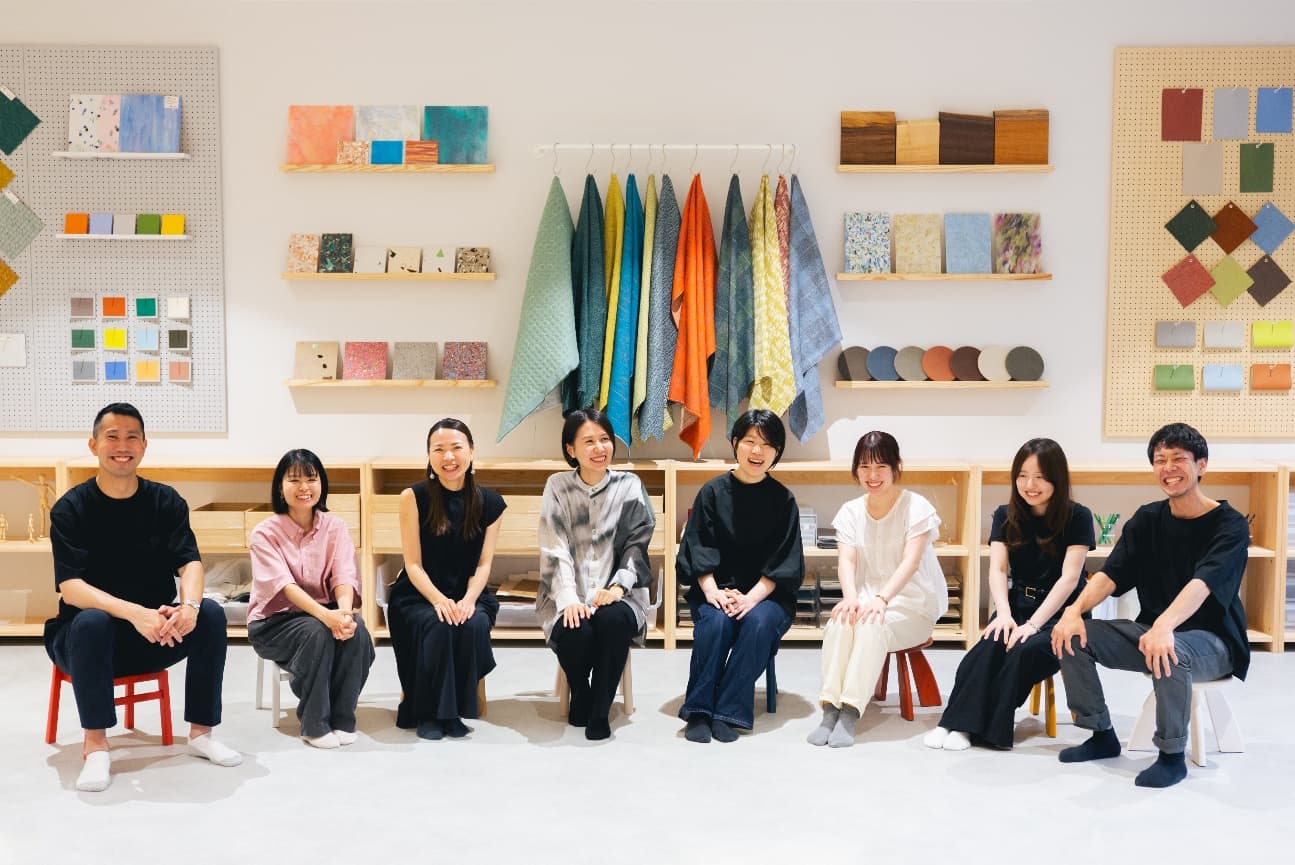
The concept was decided. But then, how did they translate it into a concrete form? That was another long series of discussions. Ryo Onishi, the creative director at Nomura Co., Ltd., who was put in charge of actually building the facility, said that they approached it with an unusually strong team.
"Instead of forming vertically structured teams based on roles as we usually do, we brought together people from planning, exhibitions, direction, and art direction from the start to form a powerful core creative design unit. They designed the basic elements and then handed them over to specialist teams in charge of each section. We made sure that the team included talented individuals from both inside and outside the company from the very beginning."
Tomoko Yokota, content director at Nomura Co., Ltd., said that at first, it was difficult to strike a balance between what Sekisui House wanted to convey and how much children would enjoy it.
"Since it's a facility where children are the main focus, we initially proposed content that was lighthearted and fun for kids. However, we received feedback that we should think more about what could be conveyed because it was Sekisui House, so we worked on it while interviewing various departments at their company, but then we realized it had become too serious. By that time, the Free Research Group had also joined us, and everyone involved worked together, going through repeated discussions and trial and error."
We went to visit various facilities in Hokkaido that could serve as inspiration, and it took about a year to finally arrive at a plan that we felt was feasible. We were basically building it as we went along, and even after that, we had meetings about JUNOPARK almost every day."
In creating the actual content, the insights of Tetsuya Kawamura of Jiyuken/COLEYO, who participated in the project, were extremely helpful. Jiyuken/COLEYO is a company that focuses on the "joy of exploration" for children, and conducts children's experiential workshops and events, collects and disseminates know-how, and collaborates with companies on research projects. Kawamura says:
"Themes like 'passion' and 'motivation' are important to us. When it comes to balancing seriousness and play, the key is that the initial part is playful, or rather, fun. The message we want to convey should be designed to come together nicely and satisfyingly within that framework at the end. In the end, that's the direction we came up with."
I run a children's classroom in Kyoto, where 300 students participate in different experiential programs every day. What I've learned from that experience is that in order to excite children, it's important to design the program so that they can experience failure. When children try something and realize that it doesn't work, or that there's a better way to do it, they become curious to learn more. So, we start by not teaching too much, and let them experience failure first. That's how they become engrossed. To go through those steps, each activity takes about 35 or 45 minutes. That has become the basic principle at JUNOPARK."
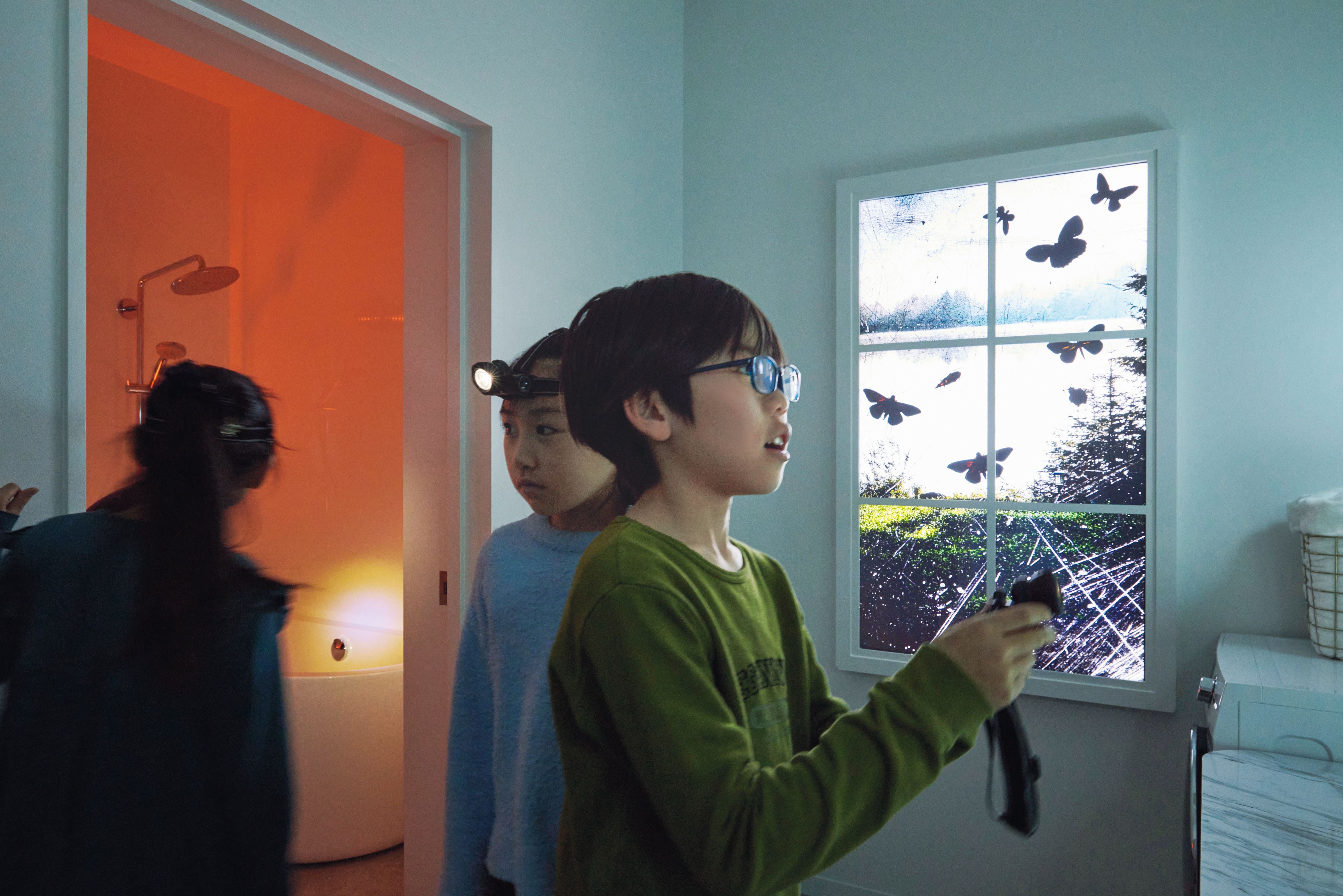
We split up to find the source of the discomfort. Moths were flying around the bathroom window, and there were plenty of unpleasant elements such as dampness, bad smells, and the sound of leaking water.
This is "classroom collapse."
Of the five activities, the first one whose content was decided was "building a 2-meter tower."
"We happened to be teaching a class on earthquake-resistant towers at our company, so we proposed this as a way to make it more dynamic. Initially, the children are drawn to the height, but then they understand that height alone isn't enough. The earthquake simulation really gets them excited," says Kawamura.
The mechanism was designed with safety in mind, while also incorporating realism to engage children.
"To ensure safety and security, the wooden poles have rounded edges. The helmets and safety glasses are for safety, but we also keep in mind that they will get the children excited. Children who go up to the measuring platform wear safety harnesses, but since real ones are difficult to put on and take off, we customized them to be easy for children to handle. We also made improvements to the earthquake simulator. The amplitude of the shaking can be adjusted in three stages, so that the children get excited, for example, when half of the teams' towers collapse," (Yokota).
In every activity, while it was important to create excitement for the children, it was also crucial not to overstimulate them. This was a particular challenge in the "Strategic Athletics" activity.
"Once the content was finalized, we conducted a verification test. It turned out that we couldn't control the excited children. Everyone involved was at their wits' end, realizing it was a classroom breakdown," (Yokota).
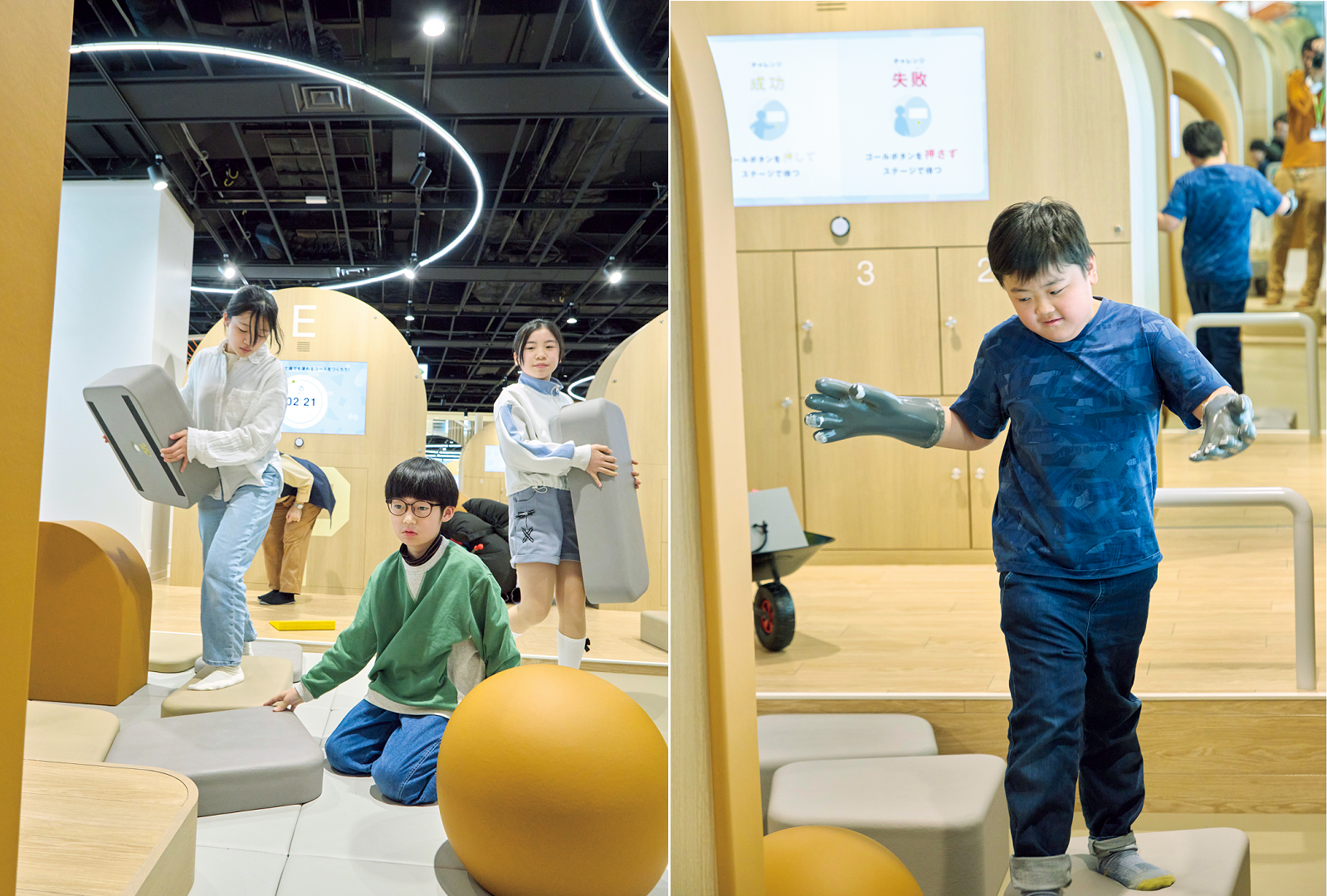
"At that time, the children's level of excitement was far beyond anything I could have imagined," (Yashiro).
"So, I invited some kids from my daughter's school, and I acted as the facilitator myself, trying it out. What I realized was that it's difficult to get the kids who aren't responding into a lively mood by starting off seriously, but I think it's possible to maintain a balance and control the kids who are getting excited. That's what I thought," (Minowa).
Ultimately, the balance was achieved through meticulous planning and training of the crew members who interacted with the children.
"Children get incredibly excited about things that are just at the physical limit of what they can accomplish. It's a time when their bodies are growing rapidly and they're able to do more and more things, so they absolutely want to jump over distances that are just within their reach."
On the other hand, they can also be easily calmed down by simple actions. Just having them sit down before starting or during explanations, or having them take a deep breath, can help them regain their composure. During the crew training before opening, I explained that you can control the children's excitement to a great extent by controlling the volume, pitch, and speed of your voice, and everyone practiced diligently and was able to do it properly.
"Children get excited when they compete with others, but since this is a facility that nurtures their senses, we don't want to reduce it to a competition where rankings are determined. That's why we eliminated time trials in the strategic athletics course, and in other activities, we limit it to the element of surpassing your first self on your second attempt," says Kawamura.
profile
Noriyoshi MinowaSekisui House
Communication Design Department, CX Design Office / Kids First Group, Group Leader
Rieka YashiroSekisui House
Communication Design Department, CX Design Office
Ryo OnishiNomura Kogeisha
Creative Division, Creative Production Center, nora, Department Head / Design Director
Tomoko YokotaNomura Kogeisha
Creative Division, Planning & Production Center, Planning Department 3, Room 8, Room Chief
Tetsuya Kawamura'sIndependent Research Group / COLEYO
NOMURA's Media

- NOMURA Co.,Ltd.SCENES


![Drawing out children's passions through numerous experiences [Part 1]](/_next/image/?url=https%3A%2F%2Fnomura-kogeisha.g.kuroco-img.app%2Fv%3D1779774440%2Ffiles%2Fuser%2FSCENES%2FVol.05%2FPandD_JUNOPARK%2F477A3016b_jitsuga.jpg%3Fwidth%3D800&w=1920&q=75)


Please contact us using the button below if you have an inquiry, want to request a quote or request documents.
We have created a separate “FAQ page” that lists the most common questions we are asked.
Please take a look at this page if you have a question.