Kenji Takahashi has worked on spatial concept design in a wide range of fields, from corporate showrooms to cultural facilities. Takahashi, who has always been committed to capturing the essence of displays and creating moving experiences with his unique perspective and approach, will talk about the secrets to creating spaces that he has cultivated over his career of more than 20 years, and the thoughts he cherishes as a designer.
Grasping the essence and exploring unique perspectives. The challenge of seeking moving experiences goes beyond the boundaries of genres.
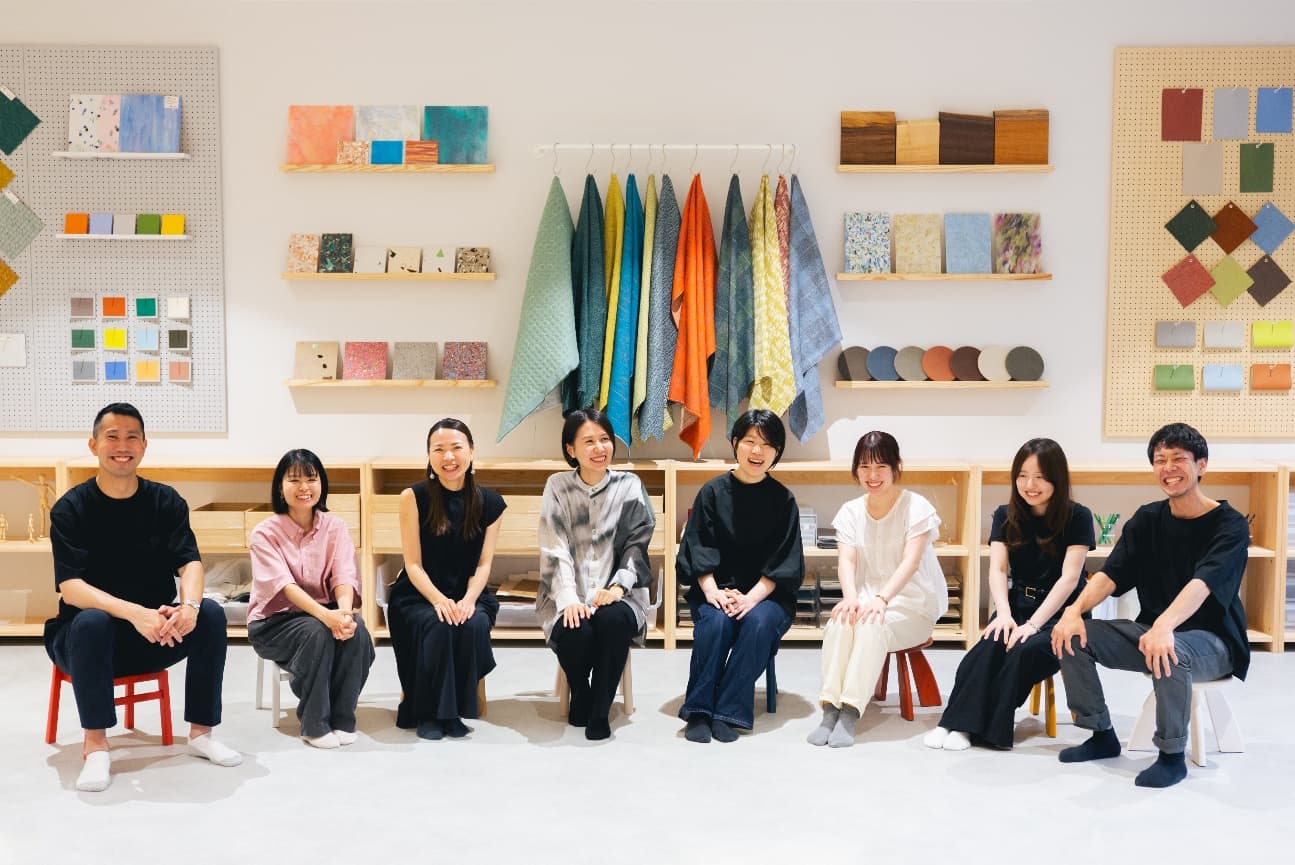
Takahashi leads a team of nine members as Room Chief in concept design Department 7 of the Second concept design Center, Creative Headquarters. They are working on a variety of projects that transcend traditional market boundaries.
Takahashi: "concept design team at our Osaka office is broadly divided into three fields: commercial, corporate, and cultural. However, our room handles a wide range of projects, from corporate showrooms and museums to displays spaces for cultural facilities, regardless of the field."
We currently have several projects underway simultaneously, but the process of grasping the essence of the facility and considering how to communicate it remains the same in every field. Recently, I've had more opportunities to be involved from the conceptual stage of a project, and to contribute not only to displays spaces but also to architectural concept design proposals."
Takahashi has been involved in a wide range of projects to date, and the project he is currently working on can be considered the culmination of his career.
Takahashi: "The project I'm currently working on is a complex facility consisting of a product displays floor, an experiential displays floor, workshops, a cafe, and a shop. I'm drawing on my experience in aquariums, museums, restaurants, retail stores, theme park attractions, and architectural concept design, and mobilizing all the skills and knowledge I've cultivated so far."
Takahashi has always tried to take on a wide range of work without being picky. As a designer, he has a set of beliefs he will not compromise on.
Takahashi: "Through repeated dialogue with our customers, we identify the message they most want to convey, and pursue how to express it in a way that will resonate deeply with our visitors. Each facility handles different products and content. We are always conscious of coming up with fresh and unique approaches, and aim to propose ideas that will excite our customers.
We believe it is difficult for visitors to empathize with and be moved by something that does not move us as creators. Rather than just thinking that we understand something by looking at photos and documents, it is important to see the actual site and the actual items."
A story of life told through simple expressions. Trust with customers is the source of creativity
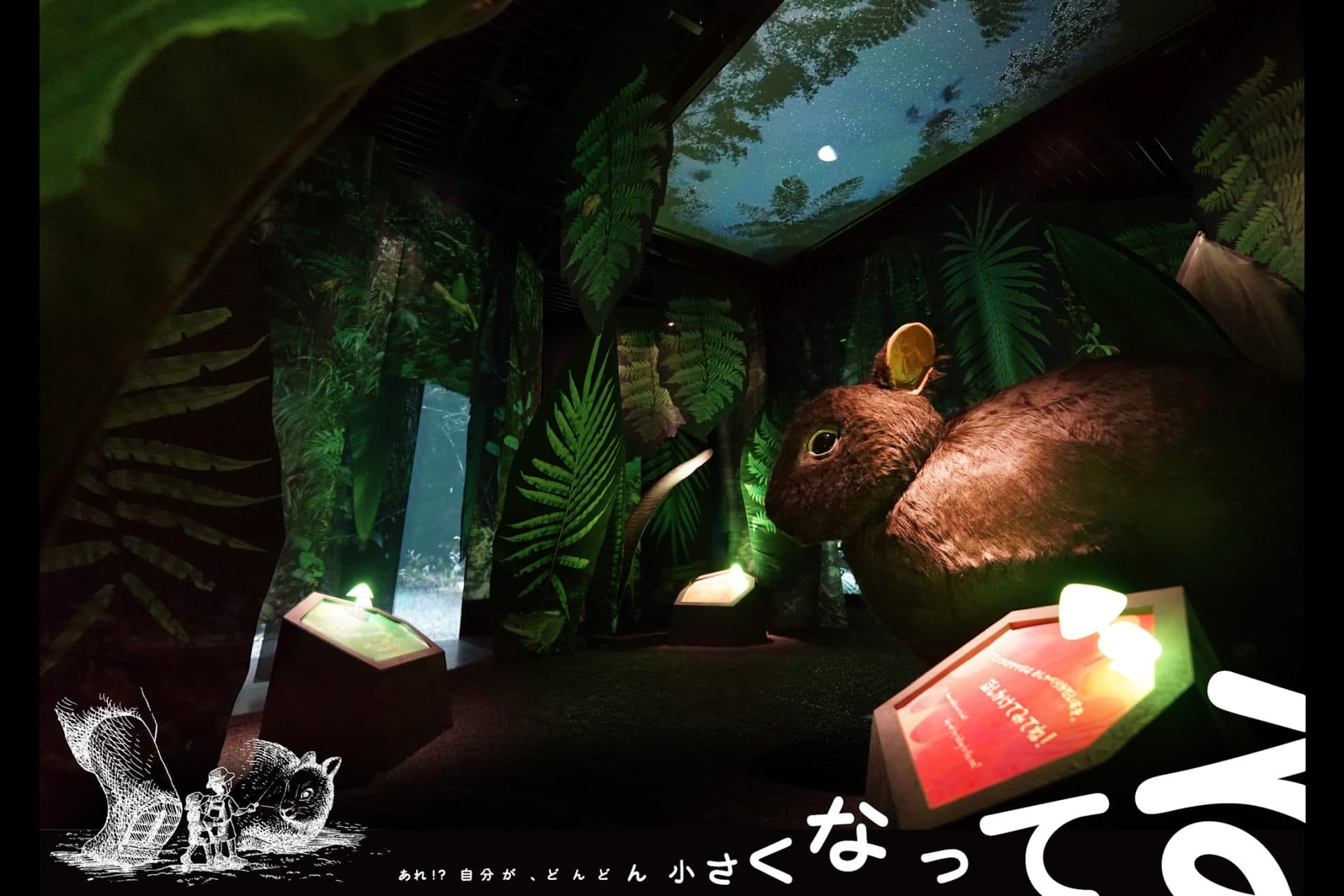
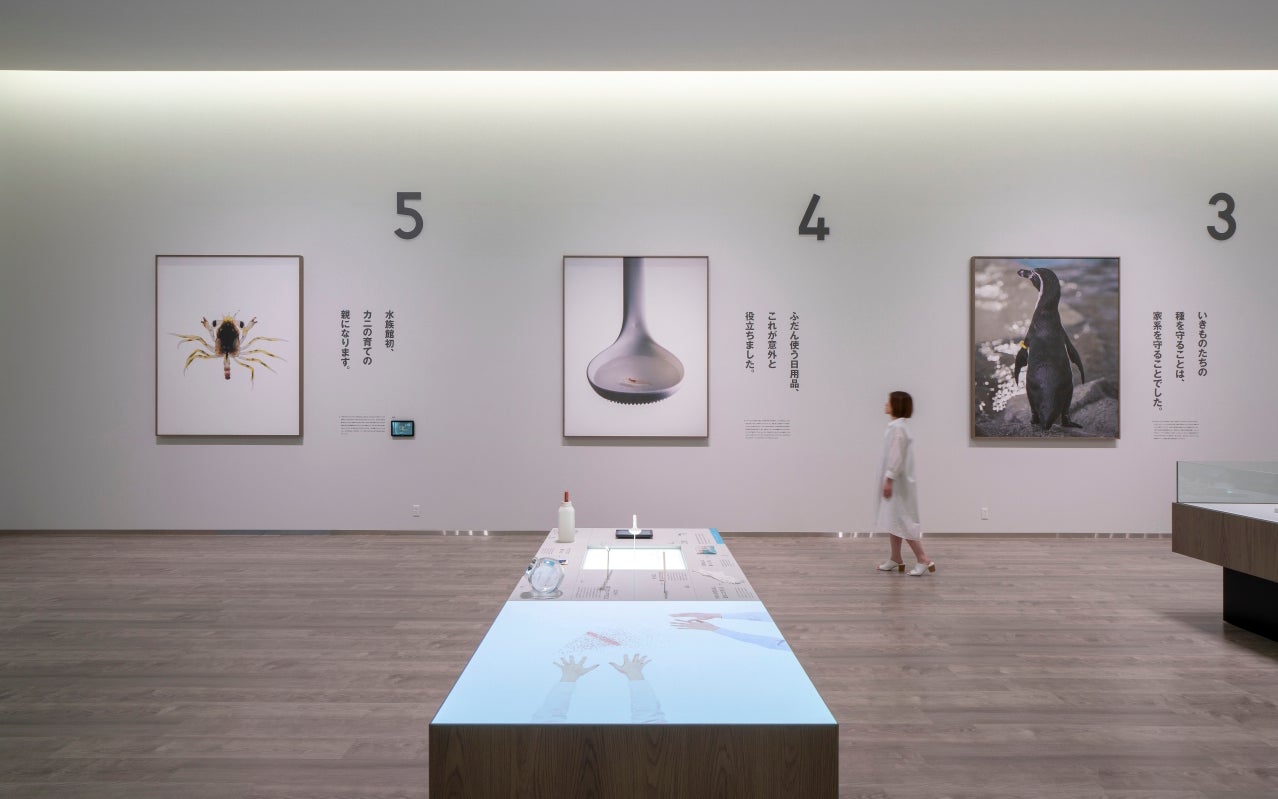
▲ Hiyoriyama Coast Museum
After joining the company, Takahashi primarily worked in the field of corporate displays, but his proactive participation in competitions broadened the scope of his career.
Takahashi: "My first experience participating in a competition was when the head of concept design department asked me to. After trying a few times, I had more opportunities to take on the main responsibility for competitions in parallel with displays, and I also became familiar with the sales staff within the company."
A competition is a race against other companies, so high creativity and the ability to respond quickly are essential. It's tough, but the challenge is worth it, and I feel that this experience has become the foundation of my career as a designer."
Takahashi was promoted to room chief in 2014. The following year, he was put in charge of the Hiyoriyama Kaigan Museum project, which marked a turning point for him.
Takahashi: "The Hiyoriyama Coast Museum is a facility located within Kinosaki Marine World, and it is a museum that "tells stories" with the theme of 'life.' The entire space is concept design with the concept that the zookeepers themselves, who work at the facility, will share the knowledge and insights they have gained through their breeding activities."
I met directly with the zookeepers and listened to how they interacted with the animals and the struggles they faced. I proposed incorporating the words that moved me directly into displays, and then translated them into concept design.
I believe this project was one where I was able to honestly confront concept design I wanted to express, and as a result, it resonated with the client and was successfully brought to fruition."
In this project, Takahashi handled everything from displays design to the architectural concept design, schematic design, and facility logo concept design. This was made possible by the trusting relationship he had cultivated with his clients over many years.
Takahashi: "Usually, architecture and displays are carried out separately, but in this project, we worked together with the client for about three years, discussing both the architectural concept design and the interior concept, asking ourselves, 'Is this really okay?'"
I am the third generation of designers to have inherited a relationship that dates back 40 years, and I believe that the reason we have been able to work together as partners from the early planning stages is because our predecessors built relationships of trust with clients and created an environment in which we could demonstrate our creativity."
Since its opening in 2019, the Hiyoriyama Coast Museum has won numerous concept design awards both domestically and internationally. As a designer, Takahashi has gained a strong sense of accomplishment.
Takahashi: "In displays, we treated a 30-meter-wide wall as one large canvas, and starting with a message-driven copy, we simply arranged the visuals and displays. Museums tend to be filled with a lot of text, but perhaps the fact that we stripped down the expression to the bare minimum contributed to the award we received."
After about 20 years in the industry, I finally feel like I've reached a point where I can relax, work with trustworthy colleagues, and relentlessly pursue my artistic expression and concept design with unwavering dedication."
Creating inspiring experiences through concept design that connects people and spaces. New value and possibilities revealed in two case studies.
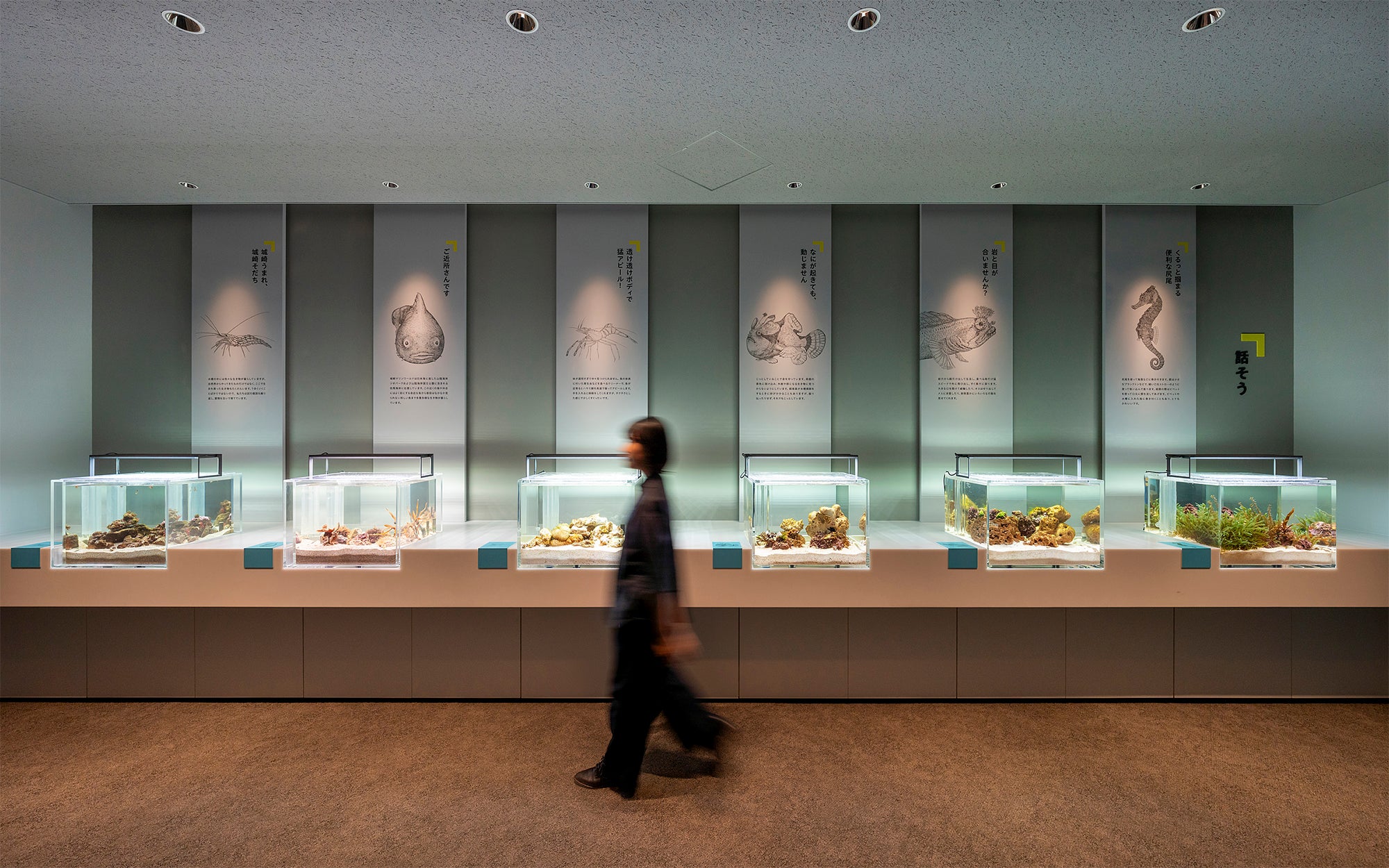
▲ Kinosaki Marine World, Fish displays Area "SeaZoo"
Following the Hiyoriyama Coast Museum project, in 2024 Takahashi was also in charge of renovating "SeaZoo," the fish displays area located within the same Kinosaki Marine World.
Takahashi: "I participated from the planning stage of displays concept, and together with the same staff and zookeepers as last time, we finalized the overall concept design of the space, the walls around the tanks, and the communication concept design to convey information about the creatures."
The concept behind SeaZoo's new displays, "CUBE," is "Towards a more conversational aquarium." We aimed to create displays style that encourages new surprises and discoveries by utilizing 20 cube-shaped tanks, conversations with zookeepers, illustrations, and graphic boards.
At "SeaZoo," the layout employs meticulous concept design of negative space, making the aquariums, the main attraction, appear like works of art in a museum. This interactive displays creates a new kind of experience.
Takahashi: "When you think of an aquarium, it's not uncommon for visitors to simply walk past a row of tanks along the wall. So we set up communication boards next to the tanks and wrote short texts in the keepers' own words about things they found interesting or impressed while observing the creatures, or things they wanted visitors to pay attention to, without using standardized expressions.
This created a flow where visitors would look at the aquarium tanks after reading the communication board and sharing the zookeepers' perspectives and thoughts, and then look at the aquarium tanks again. If the boards were just lined with academic explanations, visitors would move on without even looking at them, but now more visitors stop to look at the zookeepers' raw words and illustrations.
Additionally, we installed monitors throughout the facility where life-sized zookeepers would appear and talk to the animals, which proved effective in significantly increasing the length of time visitors stayed at the zoo."
Meanwhile, in 2021, Takahashi also took on a bold concept design challenge in the competition for the "Waste Treatment Tour Route" at the "Kikuchi Environmental Factory Clean no Mori Goshi," a project undertaken in collaboration with our client. This, too, was a project that embodied the challenging spirit that he has cherished as a designer.
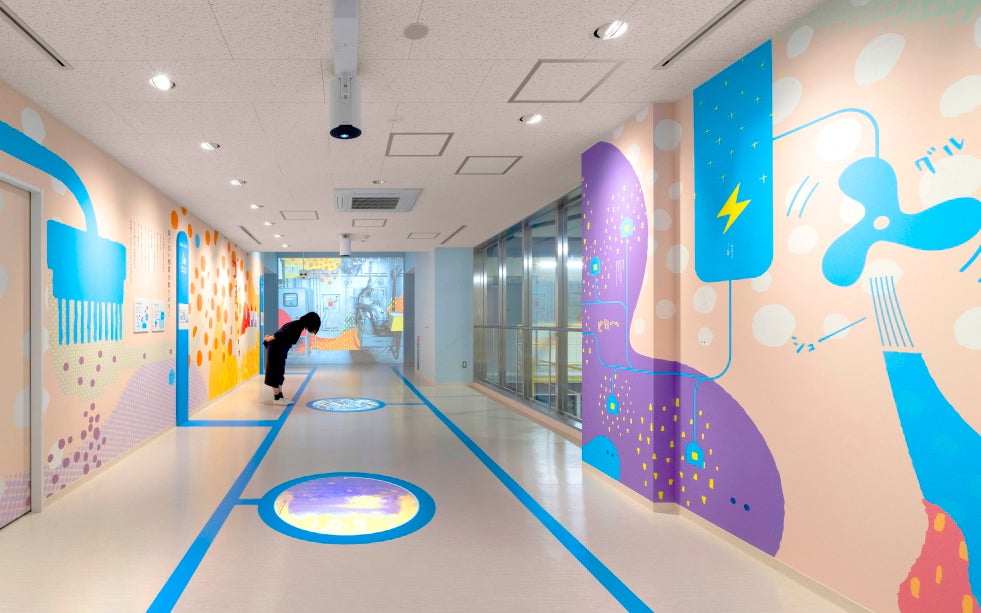
Takahashi: "Normally, the theory is to provide information on the walls in facilities like this, but we eliminated the boundary between the wall and the floor and concept design an information space in the style of a board game, connecting explanatory graphics, displays content, and sign graphics in a single line."
Along the tour route, information is scattered on the walls and floors like a board game, allowing children to learn about the waste treatment process in a fun way by reading explanations of the waste treatment facilities visible through the viewing windows and taking part in quizzes. To keep children entertained until the very end, we aimed for a design that allows them to progress to the next process like turning the pages of a picture book.
I believe that the key to success in any job is finding elements you can enjoy within it and creating concept design that you can be satisfied with. Rather than deciding whether or not to take on a project based on its genre, I have always sought out how to make the project itself appealing and bring joy to the client."
Identifying the essence, pursuing new expressions, and giving shape to emotions
▲ Mori Goshi of Kikuchi Environmental Factory Clean "Guided by a single line, we explore the story. A tour route of waste processing"
Takahashi says he finds fulfillment in concept design spaces that bring unique value and experiences, and in discovering clues to create emotional impact. He has a vision of what he aspires to be as a room chief and as a designer.
Takahashi: "There's no need to follow existing theories. Everyone has different perspectives. We aim to be a professional group where each member can honestly and fearlessly convey what moved them and their strong feelings, and where that ultimately leads to customer satisfaction through concept design."
Personally, I want to be a designer who constantly pursues new forms of expression. Currently, I'm working on projects for commercial facilities as well as displays spaces, but the importance of discerning the essence and communicating it remains the same. I want to continue challenging myself in various genres in the future.
People often tell me, "You seem to enjoy your work," but I feel most like myself when I'm finding enjoyment in my work and working on concept design that I truly believe in. I question conventional wisdom, delve deeper into things that I find puzzling, find a new perspective, and translate it into concept design. I intend to continue facing concept design I want to express head-on."
Finally, speaking from the perspective of someone who has been at the forefront of design for over 20 years, Takahashi has this to say to his future colleagues:
Takahashi: "NOMURA Co.,Ltd. is a company where you can get involved in anything you want to do, as long as you have the motivation, from spatial design to graphics, video, and even architecture. I hope you will find your own way of enjoying yourself in this ideal environment."
Even with a career spanning more than 20 years, Takahashi's desire to explore new forms of expression is inexhaustible. His challenge to identify the essence and give form to emotions continues to expand into unknown territory.
*The information provided is current as of November 2024.
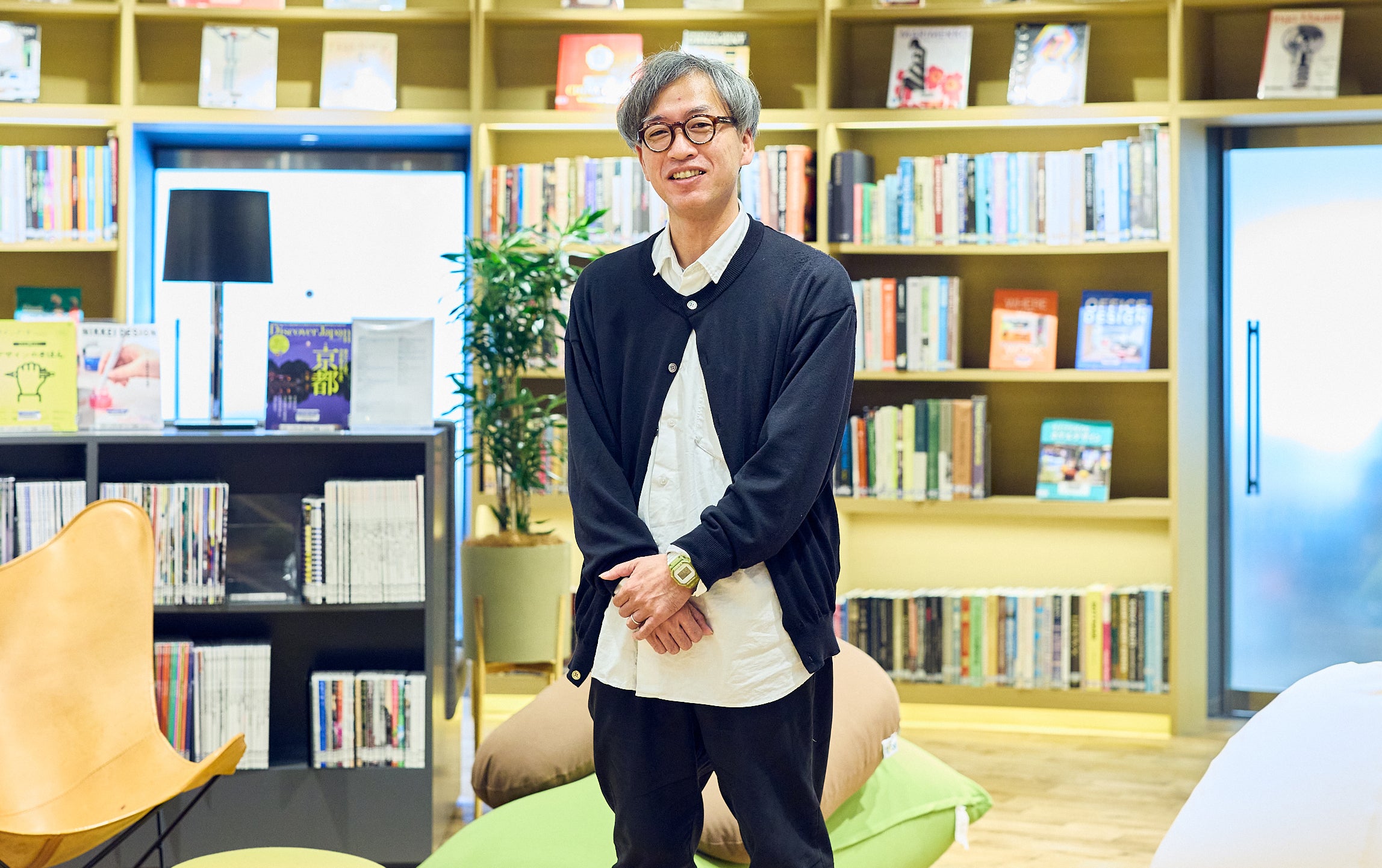
Kenji Takahashi
After studying industrial concept design at university, he joined NOMURA Co.,Ltd. in 2000. Since then, he has always considered "how people and information should communicate" in every job, and has challenged himself in various types of businesses, regardless of genre, including corporate museums, events, amusement facilities, and cultural facilities.
Capturing the essence and creating emotion—a new frontier in spatial concept design woven from 20 years of genre-crossing challenges.
PAGE TOP
Contact us
Please contact us using the button below if you have an inquiry, want to request a quote or request documents. We have created a separate “FAQ page” that lists the most common questions we are asked. Please take a look at this page if you have a question.
This website uses cookies to improve customer convenience and also to maintain and improve the quality of our services. Click the “I Agree” button if you agree to the use of cookies. Refer to the Privacy Policy for details.



![Drawing out children's passions through numerous experiences [Part 1]](/_next/image/?url=https%3A%2F%2Fnomura-kogeisha.g.kuroco-img.app%2Fv%3D1779774440%2Ffiles%2Fuser%2FSCENES%2FVol.05%2FPandD_JUNOPARK%2F477A3016b_jitsuga.jpg%3Fwidth%3D800&w=1920&q=75)