
Discover and experience the forest of life [tropical rainforest]. A catalyst for people to think about the global environment [Part 1]
- #Kanto
- #Award Winning
- #Renewal/Renovation

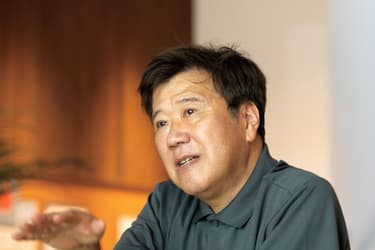
Yoshiaki KiyotaChiba Zoological Park
Coordinator
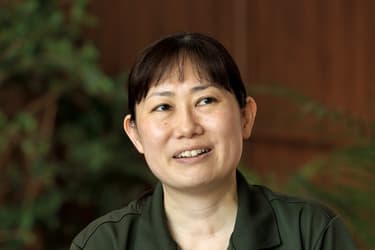
Suzuko OkanoChiba Zoological Park
Breeding Group 2
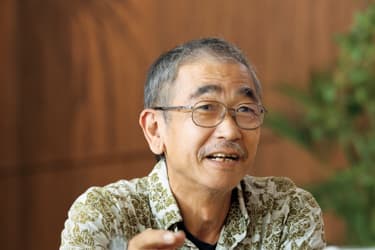
Mitsuru MoriguchiOkinawa University, Faculty of Humanities, Department of Child Culture
professor

Yuri Nakagawa,NOMURA Co.,Ltd.
Creative Division, Second concept design Center concept design Department 3, Fukano Room, Designer

Toko Takeuchi,NOMURA Co.,Ltd.
Creative Division, Planning & Production Center, Planning Department 2, Room 5, Planner
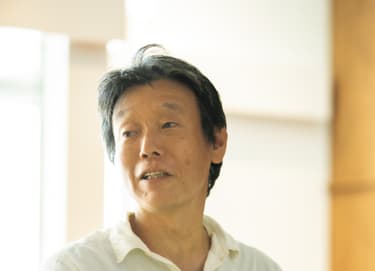
Yoshiyuki Ando,NOMURA Co.,Ltd.
Content Integration Center, Technical Direction Department 1, Room 1, Technical Director
Planning & Design - A museum where everyone from adults to children can learn
Chiba City Zoological Park Animal Science Museum
Wakaba Ward, Chiba
Chiba City Zoological Park, which opened in 1985 as a zoo close to the hearts of the citizens, is a place many will remember for the nationwide sensation caused by its red panda, "Futa-kun," in 2005. Since its opening, the park has had an animal science museum where visitors can learn mainly about tropical animals, making it a pioneer in Japan. In March 2025, to commemorate its 40th anniversary, the animal science museum underwent a complete renovation of its displays. While pursuing a high level of academic excellence, it was reborn as a facility where visitors can learn while experiencing the tropical rainforest, reminiscent of a theme park.
I've been warming it for 20 years.
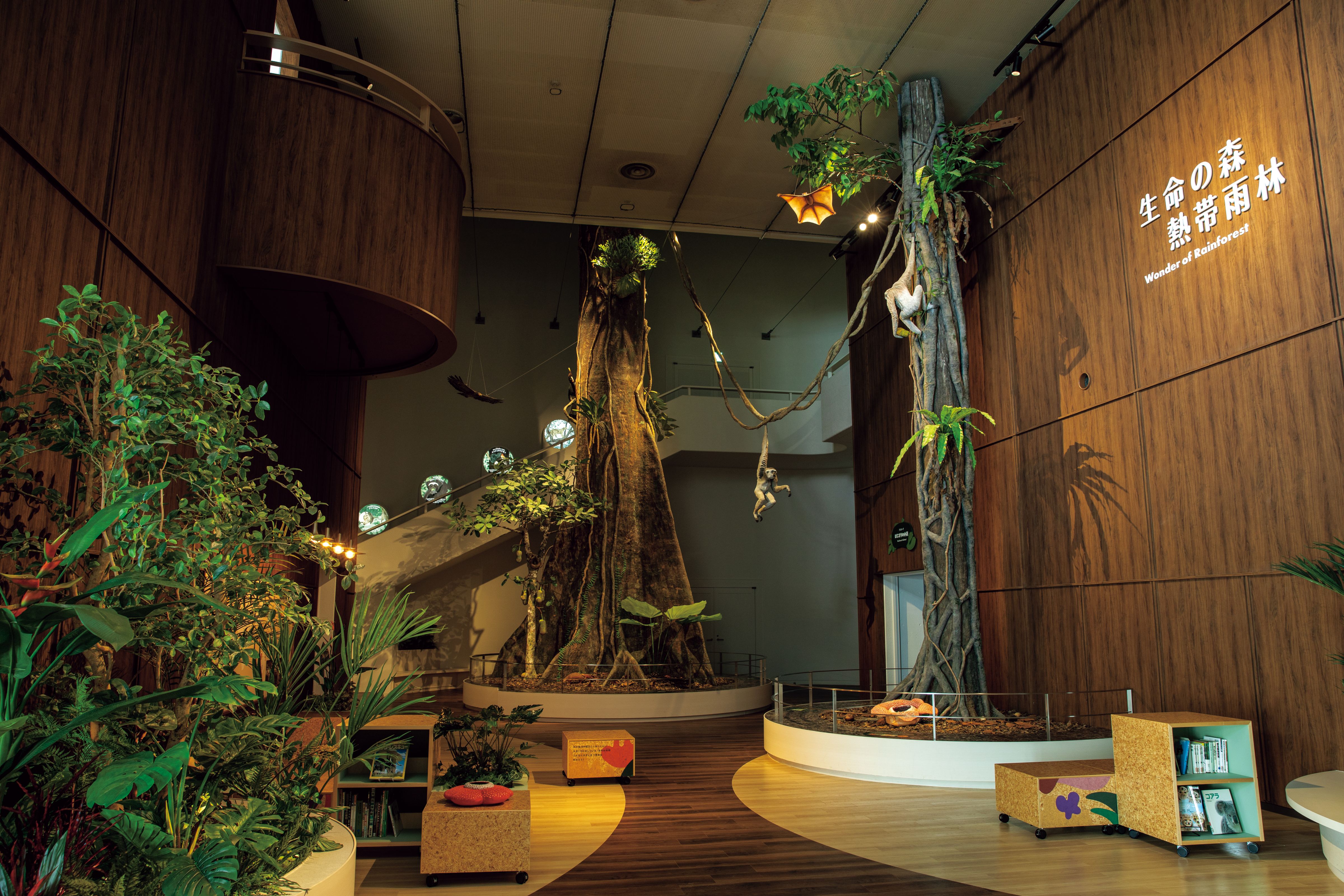
Stepping into the building's entrance, which remains almost unchanged from before the renovation, you are suddenly transported to the entrance of "The Forest of Life: Tropical Rainforest." A dipterocarp tree, the symbol of the space, soars through the ceiling, which extends to the height of the third floor, surrounded by tropical plants. Monkeys swing from tree to tree. Small animals hide among the branches and trunks. Birds soar overhead. It is an elaborate diorama recreating the tropical rainforest of Borneo.
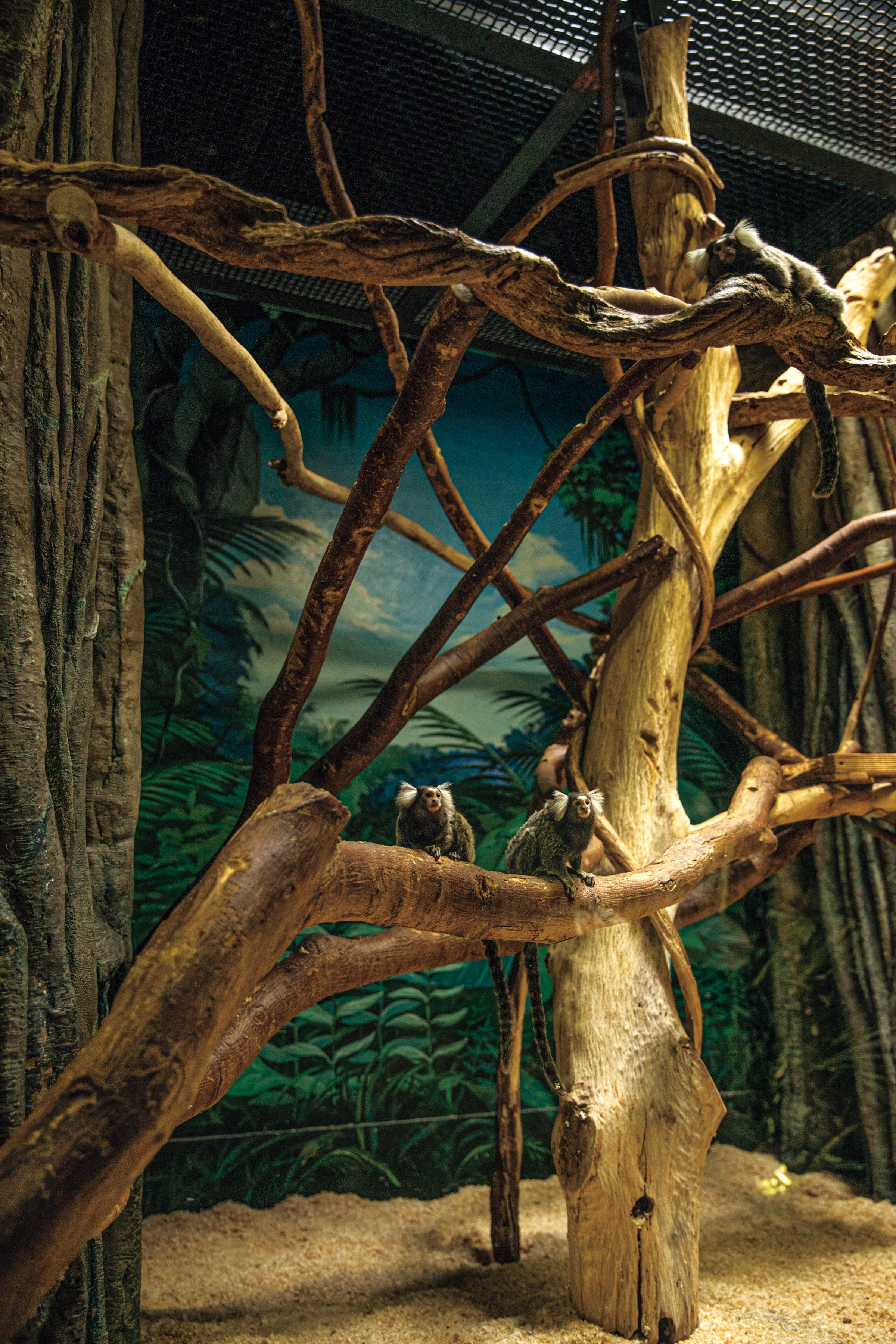
Starting from here, the museum features nine displays rooms showcasing various aspects of the rainforest. Along the way, visitors will find areas where they can observe the ecology of small animals that inhabit the rainforest, such as armadillos, bats, lorises, and small monkeys, through glass. There is also the "Bird Hall," a huge hemispherical glass dome overgrown with tropical plants, where tropical birds and sloths roam freely.
Yoshiaki Kiyota, who served as the deputy director of Chiba City Zoological Park until March 2025 and was in charge of the renovation project, and who currently serves as the park's chief coordinator, says that the renovation was also a sign of the times.
"It's a large building within the park that houses not only animal displays but also various learning facilities, a hall that can be used as a lecture room, and a rest area for visitors. I believe Chiba City Zoological Park was the first in Japan to create a facility like this."
In other words, it's the oldest facility in Japan, and I've long felt that displays and themes it deals with are outdated."
In fact, Kiyota first conceived the idea of a renovation more than 20 years ago.
"Probably around 2000, when I was still a zookeeper, the head of the facilities department asked me to submit a letter of recommendation because the Animal Science Museum would eventually need to be renovated.
"Since the facility's temperature can be controlled, the animals kept there have mainly been tropical animals. To make the most of this, I wrote a letter of opinion that we should have a tropical rainforest theme. That letter of opinion is still relevant in this renovation."
Kiyota continues.
"One of the fundamental missions of zoos is 'species conservation.' The idea is for zoos to cooperate in keeping endangered animals alive, but most of those endangered animals are tropical animals."
Therefore, simply displays animals and saying, "They are important animals, they are endangered, so let's increase their population," won't really resonate with people. We need to let them know about the environments in which the animals live, and then help them understand.
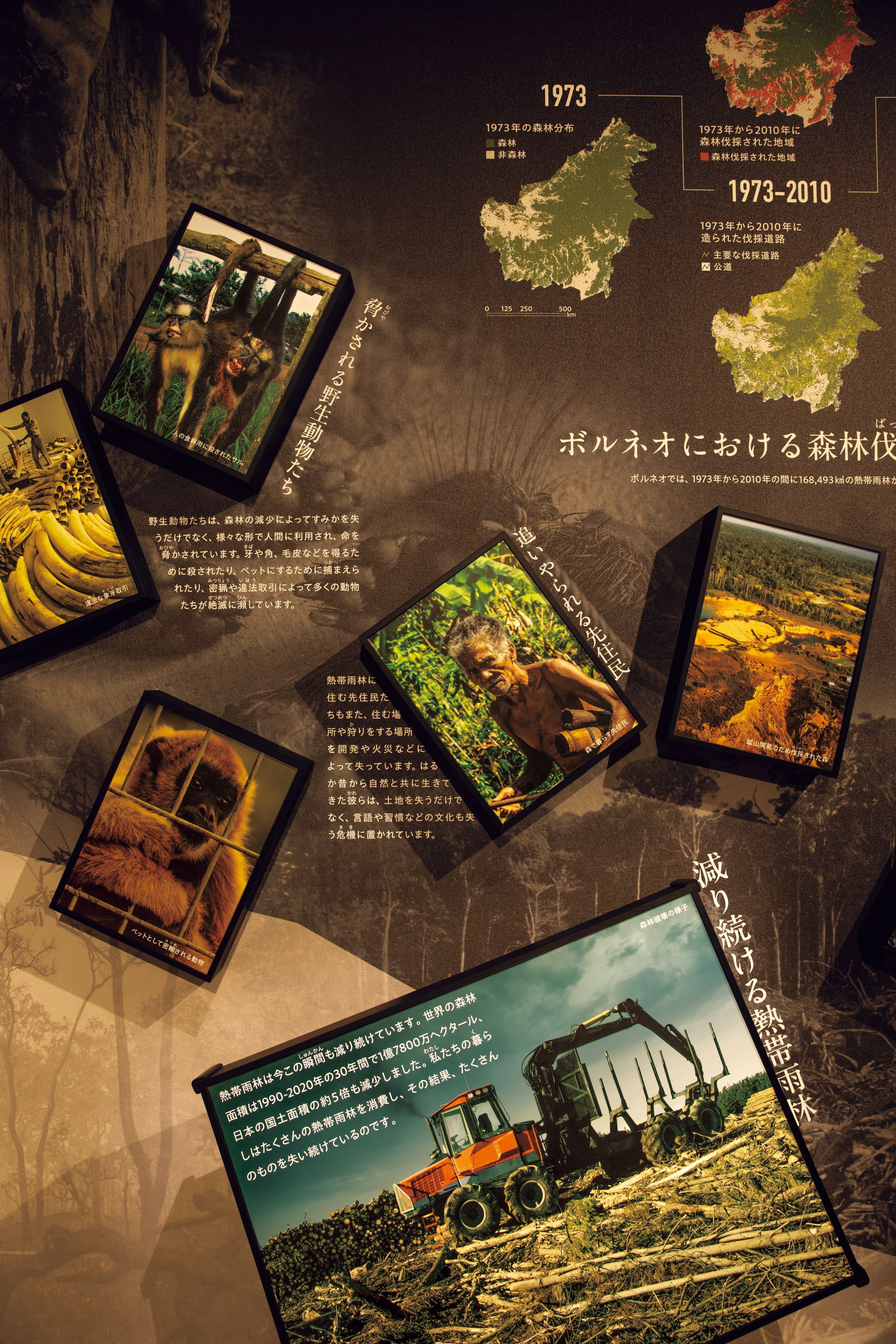
My basic idea was to showcase both the natural science aspects of tropical rainforests, such as their ecosystems, and the humanities aspects, including the history of human destruction of tropical rainforests."
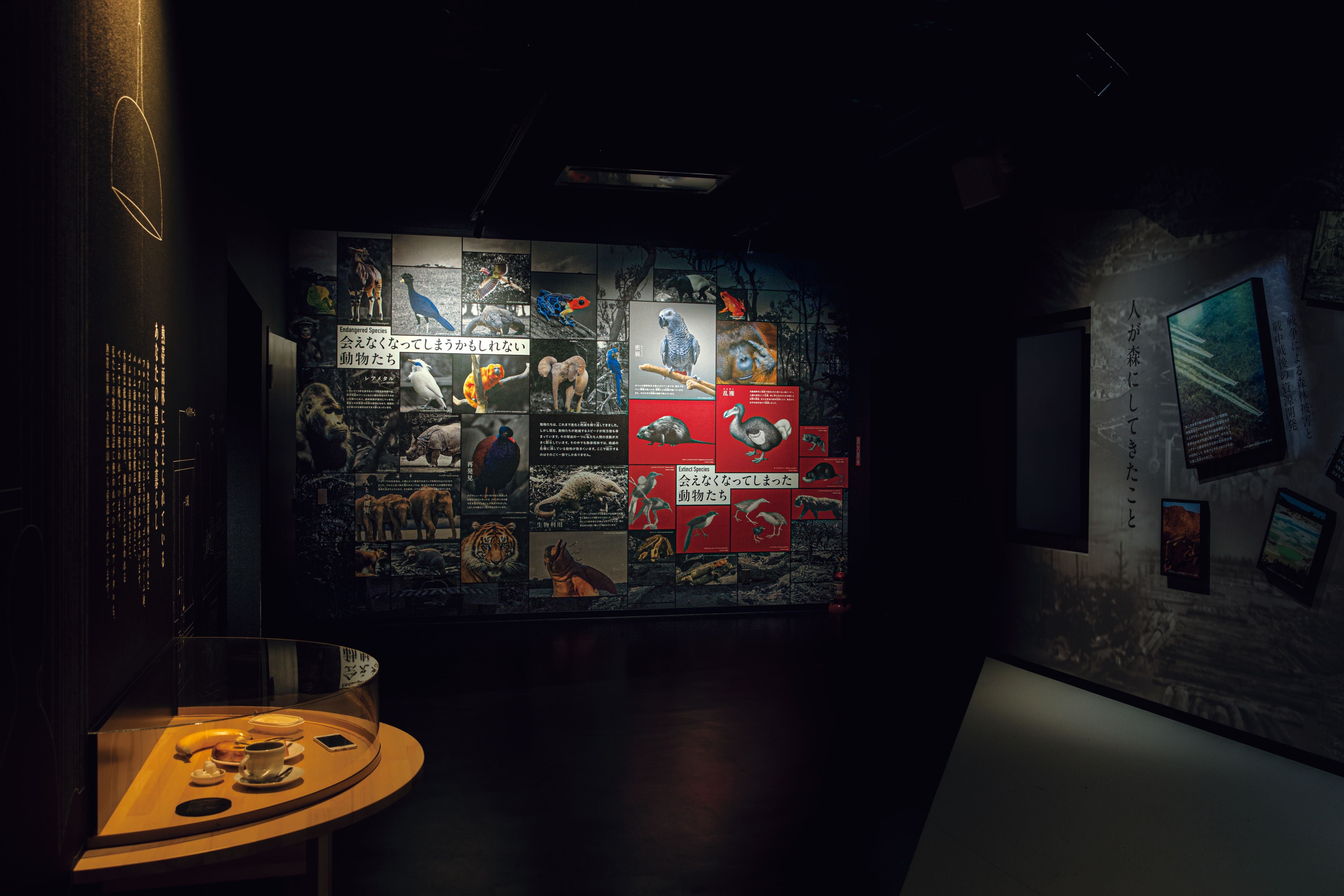
Suzuko Okano of Chiba City Zoological Park, who was in charge of the renewal project together with Kiyota, felt that the challenge was to give visitors an opportunity to think.
"Most visitors to the zoo come to see live animals rather than to use these educational facilities. How can we get them interested? While it's possible to see many tropical animals, letting them know about the environments in which these animals live is a great way to deepen their understanding of animals."
We wanted that to further connect to environmental and forest conservation, to give visitors something to think about, and for them to take something away with them. That was the challenge of the renovation. Before the renovation, displays were outdated in terms of content, and people were just passing right by them."
Studying the rainforest
The renewal project began to take concrete shape around 2021. Yuri Nakagawa, a designer at NOMURA Co.,Ltd., recalls that it initially started as an independent proposal.
"Mr. Kiyota reached out to me, and we visualized the concept for the renewal. Actually, I've been to Chiba City Zoological Park many times when I was a child, but it hasn't changed at all since then. Now, the buildings and displays are old and lifeless."
However, the large building has ample space, and it houses both live animals and plants. I thought it had great environmental potential. The zoo had a clear concept, so it felt like we were just filtering that concept through NOMURA Co.,Ltd. 's lens."
Based on this proposal, the project itself was further refined. Kiyota says he was impressed by the idea of integrating the entire space.
"The themes we wanted to address were fairly clear from the start. We had many discussions about the order in which to present them and what kind of story to tell."
Originally, the museum had alternating sections displays corridors where visitors could view animals through glass, and rooms containing only displays. Initially, we only planned to renovate the displays rooms. However, NOMURA Co.,Ltd. suggested that we also utilize the animal displays corridors."
Nakagawa says.
"I wanted to create a sense of connection between adjacent rooms, utilizing the existing architecture like a story, and I also wanted to carefully design the area where people could view the animals. That's why I proposed the entire space, not just displays rooms."
However, it's no easy task to weave together a story using pre-determined hardware, rearranging displays 's themes and roles. There were disagreements among project stakeholders regarding the order in which to arrange the pieces and the content of the presentation, leading to numerous heated discussions.
Each time, the people everyone relied on were Professor Mitsuru Moriguchi of Okinawa University and Takakazu Yumoto, Director of the Japan Monkey Centre and Professor Emeritus of Kyoto University. Professor Moriguchi specializes in natural history, and Professor Yumoto specializes in tropical ecology, and both served as supervisors for the renovation. Professor Moriguchi says:
"Looking back now, it all connects beautifully, but there were times when we really couldn't see how it would turn out. The zoo had a strong desire to present a certain theme and a certain kind of displays, and NOMURA Co.,Ltd., as displays professionals, had their own ideas about how to present it in the best way possible."
There were times when we disagreed, but when those disagreements came together, something good was created. So, our job as supervisors wasn't to decide the content displays itself, but rather to think about how to convey that content, and whether this content was the right one to convey."
The two supervisors were a source of knowledge and mentorship for NOMURA Co.,Ltd. team, who had only amateur knowledge of tropical flora and fauna. NOMURA Co.,Ltd. 's planner, Toko Takeuchi, said that everyone studied very hard.
"For one, without knowledge, there can be no discussion. The concept was to present natural science and humanities together, so the themes to be studied were extremely broad. I studied books and materials, and when I started talking thinking I understood, a ball would come flying at me from an angle I had never imagined. In order to understand it and hit it back, I would search for and read more materials. I repeated this process over and over again.
There were many times when I asked the supervising professors for advice, but I was grateful that they gave me advice from a sympathetic perspective as a fellow creator."
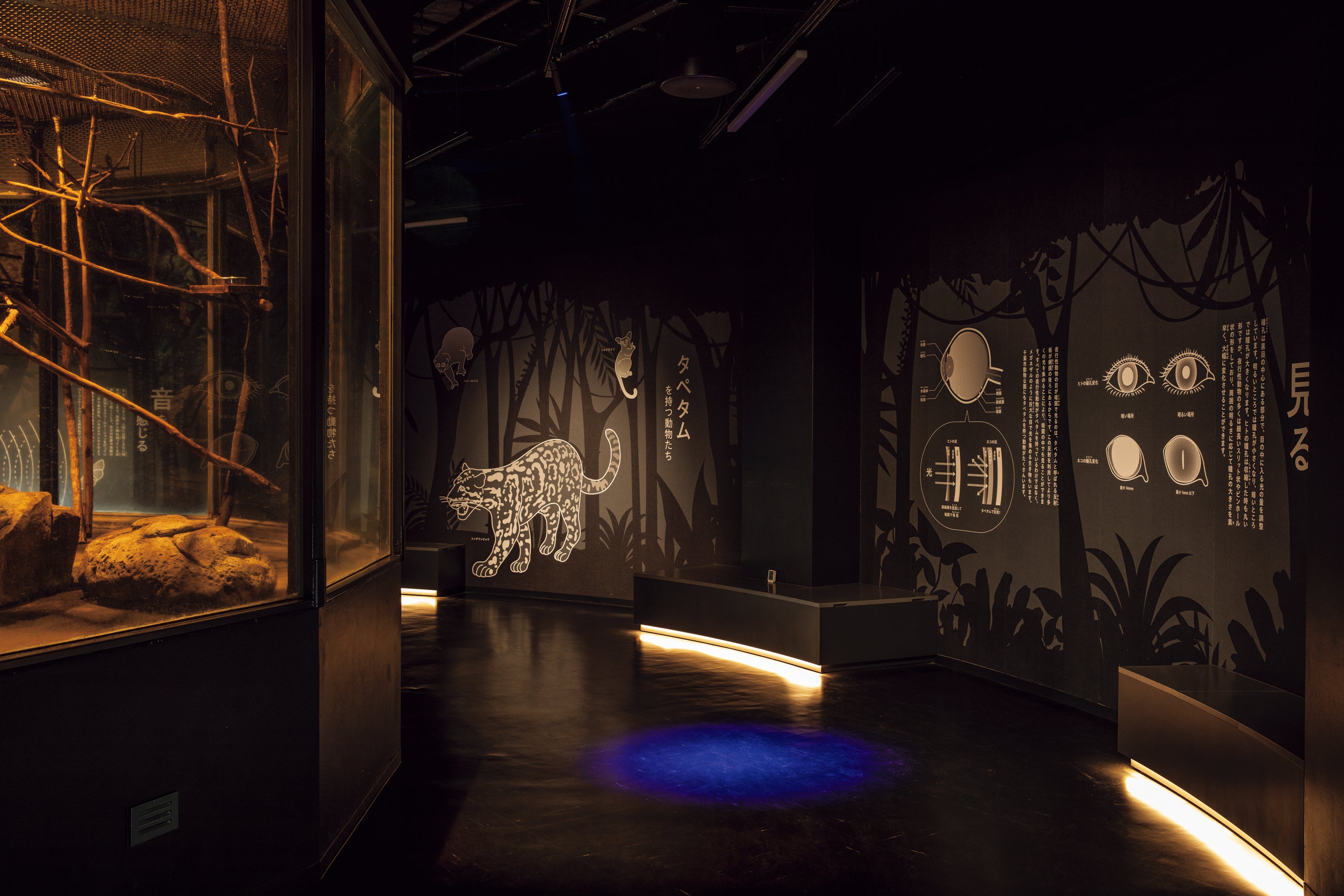
Photo by Abe Ryo
profile
Yoshiaki KiyotaChiba Zoological Park
Coordinator
Suzuko OkanoChiba Zoological Park
Breeding Group 2
Mitsuru MoriguchiOkinawa University, Faculty of Humanities, Department of Child Culture
professor
Yuri Nakagawa,NOMURA Co.,Ltd.
Creative Division, Second concept design Center concept design Department 3, Fukano Room, Designer
Toko Takeuchi,NOMURA Co.,Ltd.
Creative Division, Planning & Production Center, Planning Department 2, Room 5, Planner
Yoshiyuki Ando,NOMURA Co.,Ltd.
Content Integration Center, Technical Direction Department 1, Room 1, Technical Director
NOMURA's Media

- NOMURA Co.,Ltd.SCENES


![Drawing out children's passions through numerous experiences [Part 1]](/_next/image/?url=https%3A%2F%2Fnomura-kogeisha.g.kuroco-img.app%2Fv%3D1779774440%2Ffiles%2Fuser%2FSCENES%2FVol.05%2FPandD_JUNOPARK%2F477A3016b_jitsuga.jpg%3Fwidth%3D800&w=1920&q=75)


Please contact us using the button below if you have an inquiry, want to request a quote or request documents.
We have created a separate “FAQ page” that lists the most common questions we are asked.
Please take a look at this page if you have a question.