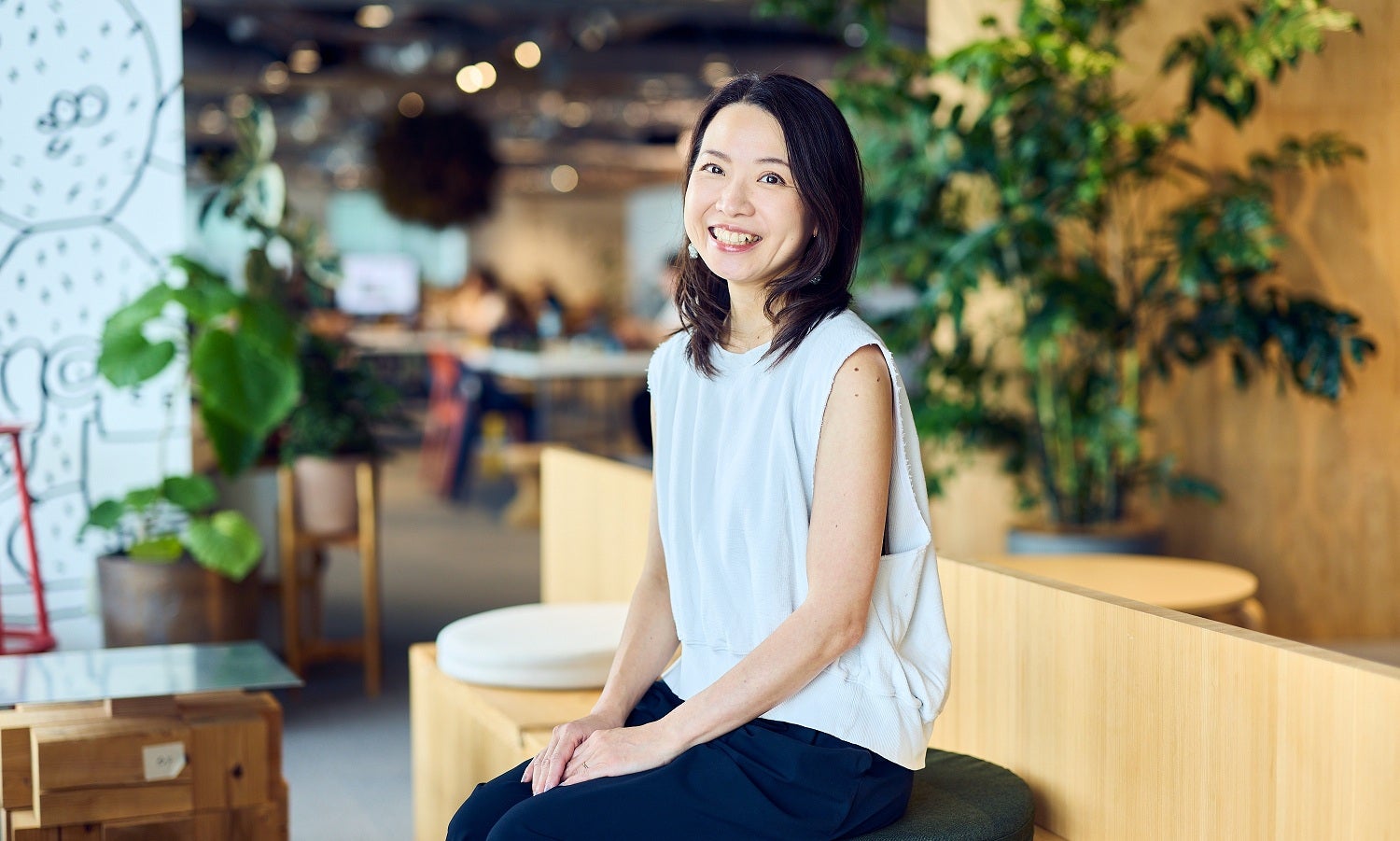
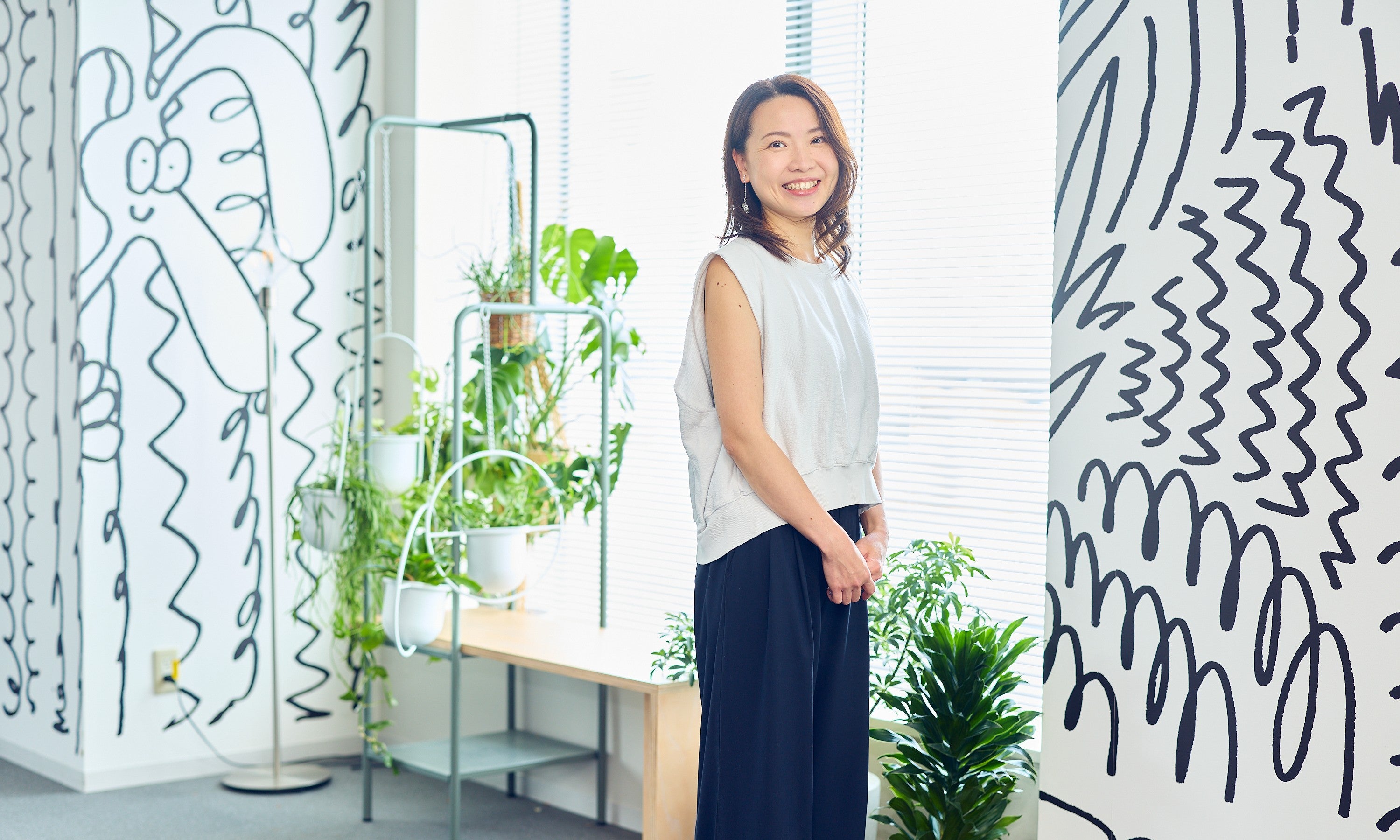
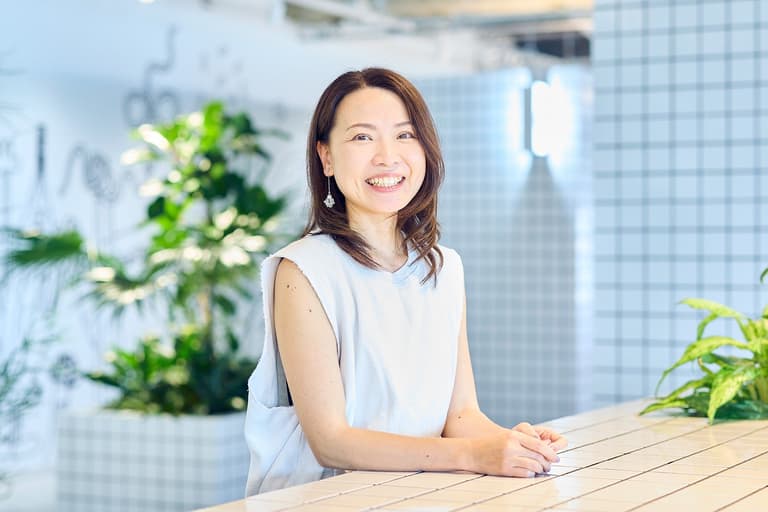
After graduating from architecture school, Tomoko Yokota studied design in Milan and has built a diverse career in video production, product design, and book editing. In 2018, she joined Nomura Co., Ltd., where she currently works as a planner, mainly involved in the planning and experiential design of facilities for children. We delve into Yokota's work philosophy, which values universal human sensibilities and feelings.
Sensibility is the best blueprint. The work of a planner involves incorporating the tangible experience into the design of a space.
Yokota belongs to the Planning Center, Planning & Production Department 2, of the Creative Production Headquarters. This department mainly handles projects related to corporate communication (brand communication), and Yokota works as a planner.
"As a planner, I often get involved in the entire process of a project, from start to finish. For example, if it's a new facility like a museum, I participate from the initial concept stage, and once the concept is decided, I work alongside the team on everything from designing the exhibits for each area, considering the content of the graphics and videos, and collaborating with external partners to create any necessary interactive content. Long projects can sometimes take two to three years from start to finish."
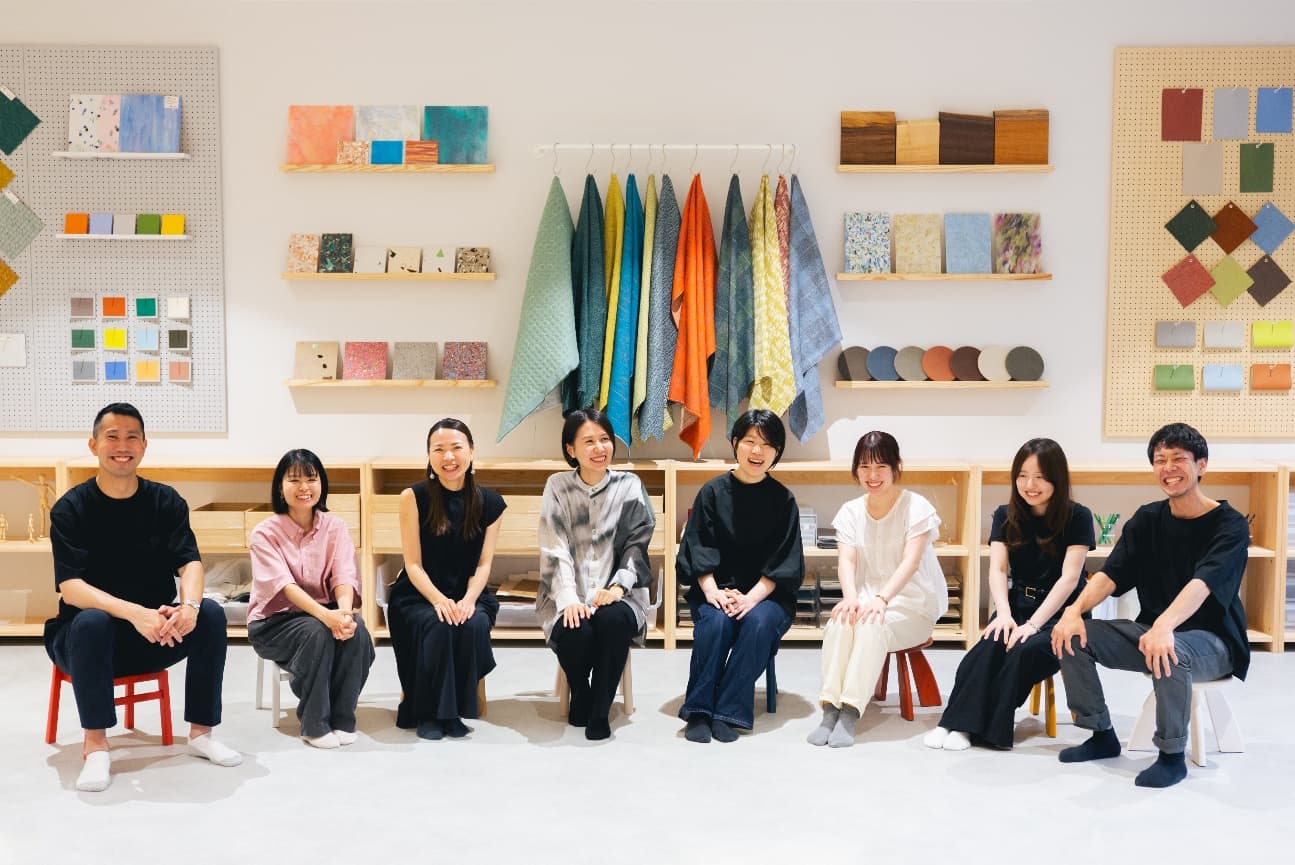
Currently, Yokota also serves as a room chief, managing eight members with diverse backgrounds.
"Our team members are a diverse group, including people skilled in basic project concepts, professionals in planning and designing cultural facilities, and those adept at creating office spaces. However, I think they all share a common interest in communication and creating spaces. Because their areas of expertise and output methods differ, we try to find out who is best suited for which project and how they should be involved, and then we entrust them with the task or work together."
What Yokota values most in his work is "his own experience and feelings."
"I believe there must be universal elements that are common to all people when they feel a space is 'comfortable, I want to come back here again,' and when they feel happy. In order to cherish that feeling, I think that by visiting various places, letting my senses be moved, and incorporating the positive feelings I have from those experiences into my projects, I can make realistic and compelling proposals."
While valuing people's perspectives, we make sure not to be too biased. We consciously try to make better suggestions by sometimes filtering them through our colleagues' opinions and listening to our customers' feedback."
A "self-centered career" driven by pursuing what I love. Diverse experiences all come together at Nomura Co., Ltd.
After graduating from architecture school, Yokota studied design at the Domus Academy in Milan. There, he had the experience of deeply exploring the concept and essence of "what is design?"
"In Japanese schools, we often study different fields like architecture, interior design, and graphic design separately, but in Milan, the idea was that creating something tangible is also design, and that processes, strategies, and systems are all part of design. The scope of the word 'design' broadened considerably, and I was struck by the realization that 'the creative field is so vast, and we can think more freely!' It was a truly eye-opening experience."
After returning to Japan, I joined a major video and event production company as a design producer trainee. From there, I have worked in a variety of fields, including a director position at a world-renowned design firm, book editing at an architectural publishing company, and overall design management of visual identity (VI) at a branding firm.
"Looking back, my career has been rather egoistic, as I've always pursued what I truly love and am interested in (laughs). I always had the core desire to 'do creative work,' but after learning in Milan that design is a broad concept, I didn't insist on doing the hands-on work myself. I've tried various roles depending on the opportunity, such as supporting others, contributing ideas, and working on projects as part of a team. I also made sure that the work stimulated my senses and that the environment fostered a high level of creativity when choosing a job."
Then, in 2018, Yokota decided to change jobs again after the birth of her child. She was looking for a job where she could make use of her various experiences, and that's when she was hired as a planner at Nomura Co., Ltd.
"Since joining the company, I've been involved in a much wider range of work than I ever imagined. From the basic concepts of large-scale overseas developments to proposing ways to utilize mixed-use buildings, planning PR for art events, and creating brochures for corporate tour facilities—the interesting thing about this job is that I face completely different challenges each time and use completely different sensibilities and ways of thinking to produce results."
Two projects for children's facilities, based on the "real-life experiences" of raising children.
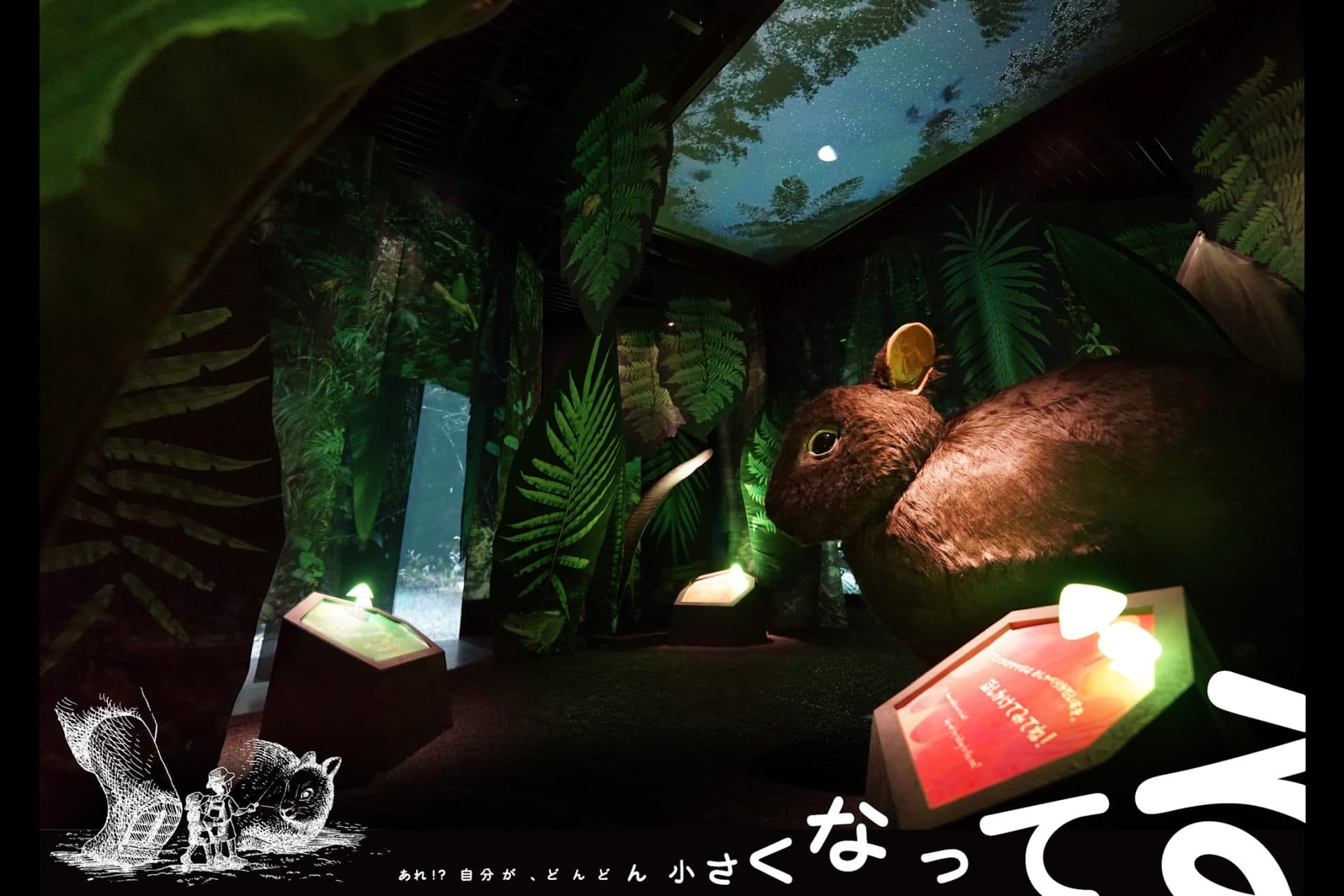
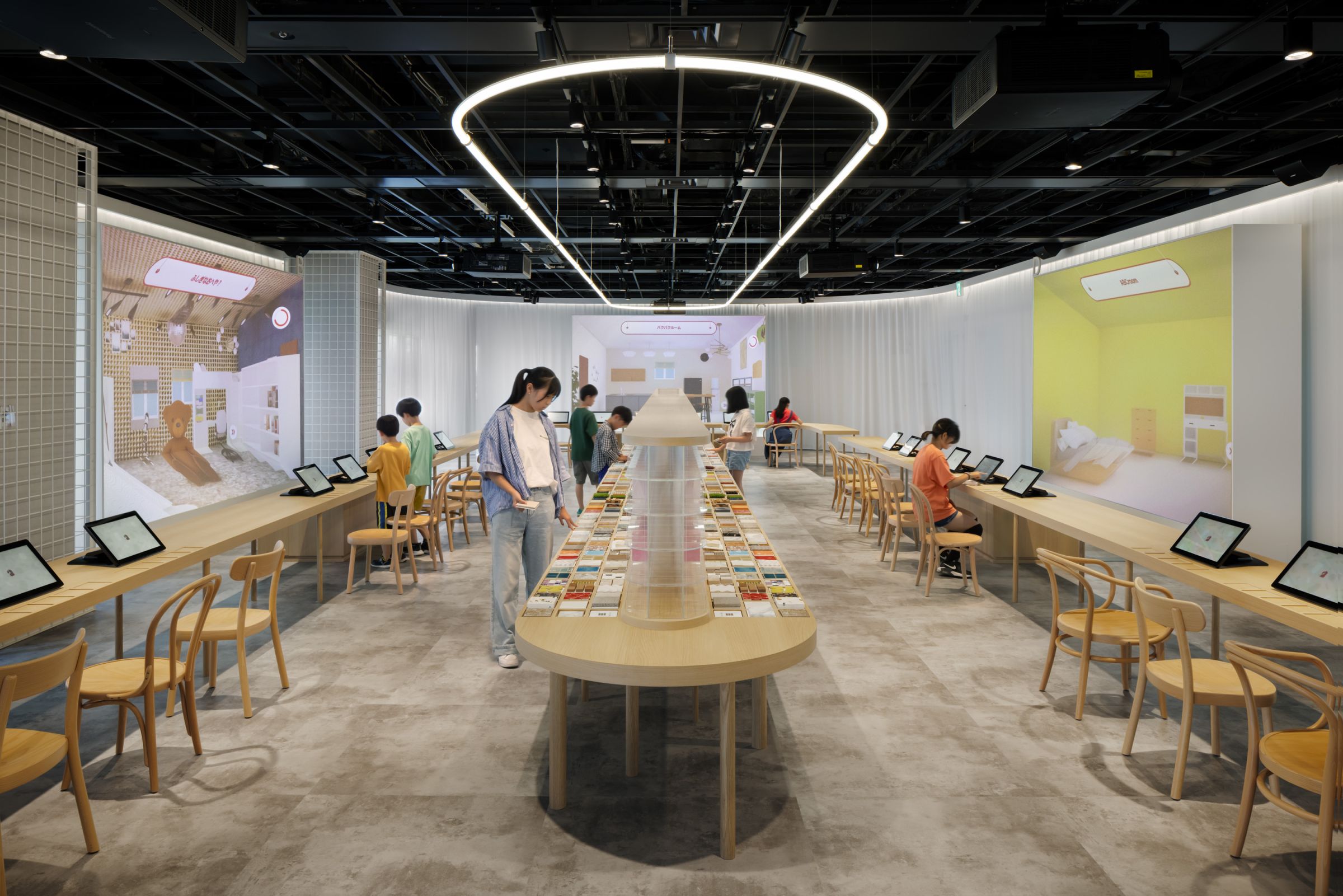
▲JUNOPARK, a residential edutainment facility designed by Sekisui House to nurture children's sensibilities. Photo: Nakasa & Partners
In recent years, Yokota has primarily been responsible for the planning and experiential design of facilities for children. In 2025, two such facilities opened: "JUNOPARK," a residential education and edutainment facility by Sekisui House, and "mirocco," an indoor playground in Kakegawa City, Shizuoka Prefecture.
"JUNOPARK is a residential education edutainment facility planned by Sekisui House with the aim of providing experiences that nurture children's sensibilities. The first floor is a cafe and library that can be used by local people, and the second to fourth floors are paid experience areas. We were in charge of translating the themes of each floor into experience programs and spaces."
This project, which involved approximately 50 people both inside and outside the company, spanned two and a half years. We thoroughly considered the question, "Is this experience truly enjoyable for children?" and invited children from nearby elementary schools to experience it firsthand during the preliminary testing. Through repeated testing and improvements, we believe we have created a facility unlike any other. Rather than a facility where children passively learn, we were able to create a place where children can learn while playing, fostering various insights and sensibilities, with the entire project team, both inside and outside the company, working together to achieve this."
Meanwhile, mirocco was awarded a contract through a proposal process in Kakegawa City, using a DBO (Design Build Operate) method that included design, construction, and operation after opening. Yokota was involved from the initial stages of considering the facility's structure and zoning, and designed the planning and experience with post-construction operation in mind.
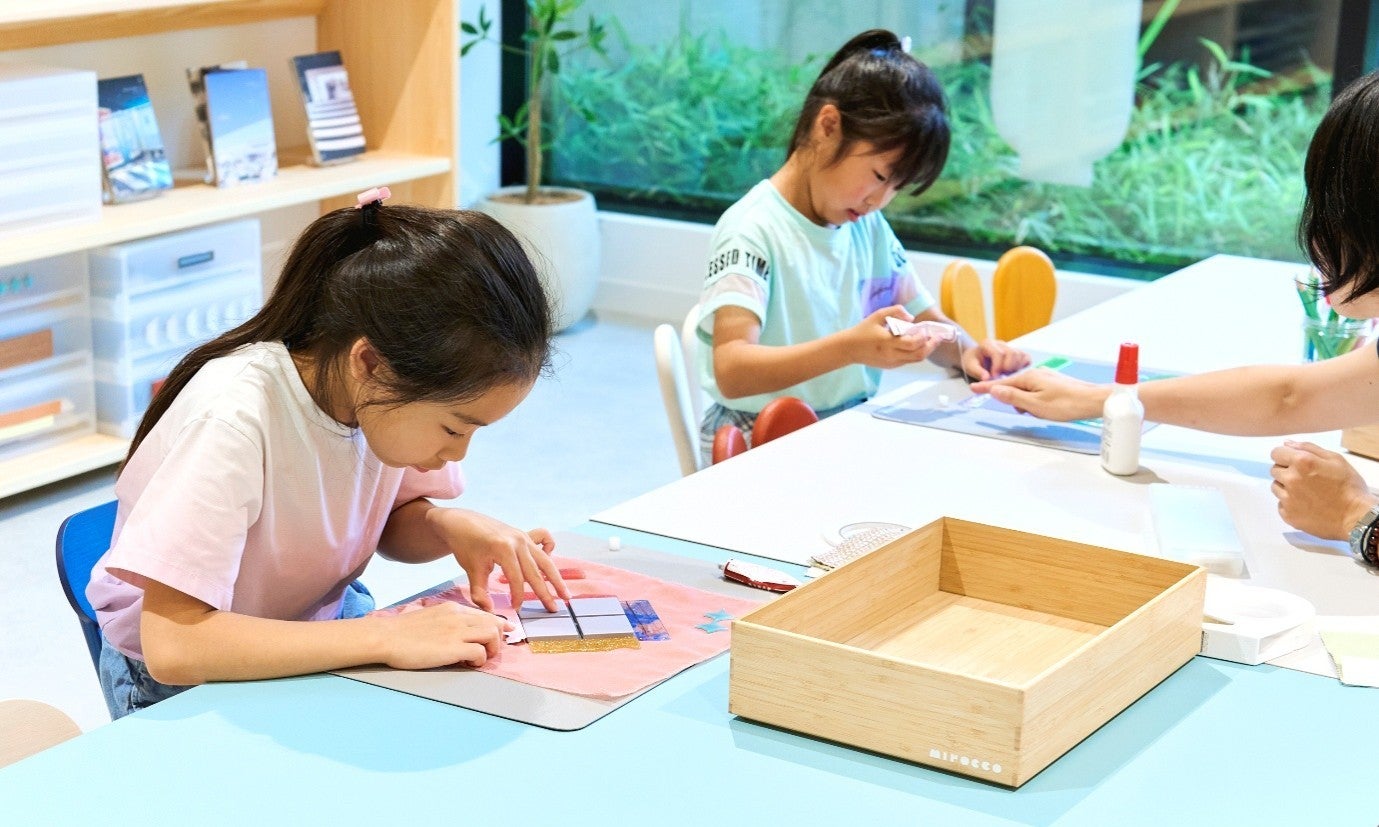
"One of the features we put a lot of effort into is a corner where children can touch and play with discarded interior materials and samples. We collected materials that children don't usually get to touch, such as carpets, wallpaper, scraps of vinyl chloride, and cork, in collaboration with our partner manufacturers and other childcare facilities. Our aim was to open up new sensibilities in the children by showing them, 'There are materials like this in the world!' I think we were able to bring to life an idea that is unique to a facility designed and operated by Nomura Co., Ltd."
Yokota says that her perspective as a mother was particularly helpful in both projects. At mirocco, she selected toys and considered corner names based on her own experiences as a parent, constantly thinking, "How would my own child play here?"
"When you're raising children, you make all sorts of discoveries every day, like, 'Kids find excitement in these kinds of things,' or 'This is what makes them want to run off.' It's fun to incorporate these unique perspectives, which adults don't have, into projects, and because it's something I've experienced firsthand as a parent, I was able to move forward with confidence."
A supportive environment for working mothers, and opportunities for further challenges as a planner.
▲The "Creative Lab" is a craft corner using discarded materials and samples from mirocco's interior construction. The owner's own children also cooperated in testing the value of the experience and acting as models for the photo shoot.
Yokota, who leverages her diverse career experience to work as a planner at Nomura Co., Ltd., gave the following answer when asked about what she wants to challenge herself with in the future.
"JUNOPARK and mirocco were truly memorable projects for me. In my own experience raising children, I've found that they're much more motivated when they learn through games rather than when I tell them to 'study.' I'm sure parents would be happy if the fun things they learned and experienced during their childhood remain in their memories and connect to their future, and I want to continue to be involved in creating such spaces."
However, we don't want to limit ourselves to children's programs; we want to tackle new social issues and challenge ourselves in new fields more than ever before."
Furthermore, Yokota, as room chief, has a strong desire to create an environment where the team can improve and grow together.
"Personally, I really enjoy working in a team. Since each member has different areas of expertise, we haven't really had many opportunities to 'work on something together as a group.' In the future, I want to create a space and atmosphere where we can share stories and ideas about the work we've each done, and exchange opinions, aiming for an open-minded team."
Finally, Yokota describes the appeal of Nomura Kogeisha as follows:
"If you clearly communicate the themes you want to work on and your areas of expertise to those around you, there's a culture where you'll be assigned to projects that take that into account, so I think it's a company where you can work with high motivation. Also, there's a flexible work system, so it's easy for working mothers to work, and the number of men taking paternity leave is increasing. Not only are there systems in place, but there's also a culture where many people understand and support the situation of raising children, which I'm very grateful for."
I believe that the job of a planner is not just about conveying information on paper, but also about communicating experiential value with a real sense of it. We would love to have people join us who enjoy proactively seeking new experiences and translating those experiences into planning spaces and experiences."
* The information provided is current as of June 2026.
Satoko Yokota
Having studied architecture in Japan and design in Italy, and gained experience in event planning, product design, book editing, and branding, she joined Nomura Co., Ltd. She is a planner who values connecting the message that business owners want to convey with spatial experiences that resonate with customers' sensibilities.
A diverse career is proving valuable today. A planner who creates spaces using intuition and practical experience as their tools.
PAGE TOP
Contact us
Please contact us using the button below if you have an inquiry, want to request a quote or request documents. We have created a separate “FAQ page” that lists the most common questions we are asked. Please take a look at this page if you have a question.
This website uses cookies to improve customer convenience and also to maintain and improve the quality of our services. Click the “I Agree” button if you agree to the use of cookies. Refer to the Privacy Policy for details.



![Drawing out children's passions through numerous experiences [Part 1]](/_next/image/?url=https%3A%2F%2Fnomura-kogeisha.g.kuroco-img.app%2Fv%3D1779774440%2Ffiles%2Fuser%2FSCENES%2FVol.05%2FPandD_JUNOPARK%2F477A3016b_jitsuga.jpg%3Fwidth%3D800&w=1920&q=75)