Cultural facilities are profound and fascinating. The way of thinking of NOMURA Co.,Ltd. 's designers, who pursue their passions and continue to evolve.
Creating value for cultural facilities with unconventional and free-thinking ideas. Designer Sho Inanobe, who has worked on concept design of various cultural facilities such as aquariums, zoos, and libraries using the "+Museum" concept for public facilities as well, talks about the joys of creating cultural facilities.
The joy of working on cultural facilities as a designer and building teams that stand out
Inanobe, who serves as Room Chief in concept design 6th Department of the First concept design Center at the Creative Headquarters, has been involved in concept design of numerous cultural facilities.
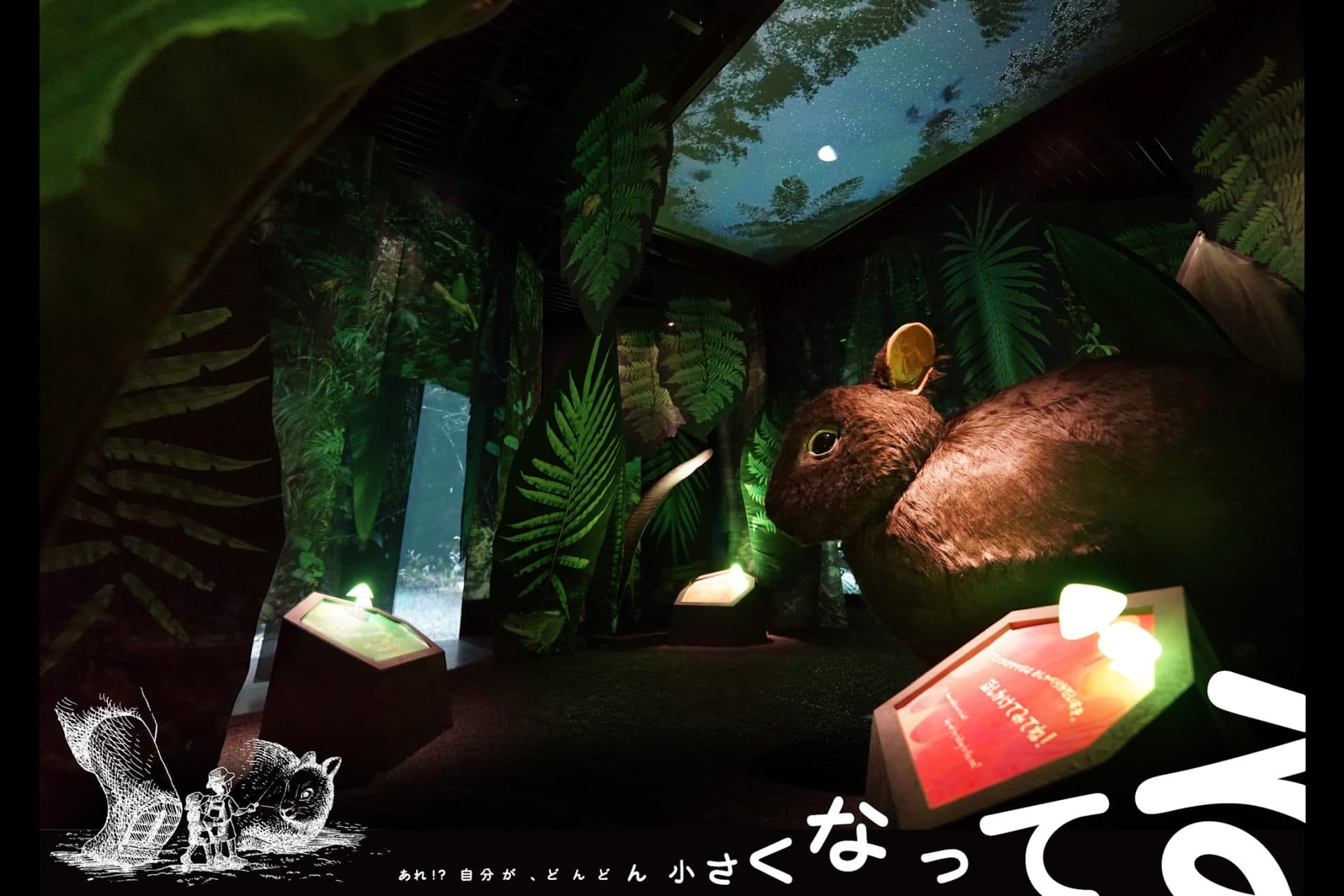
Inanobe: "I am mainly in charge of public cultural facilities, including museums, aquariums, zoos, libraries, and indoor play parks for children, and I work on a wide range of facilities."
Inanobe says he plans to start with the museum and then expand his reach, challenging himself to do whatever he can.
Inanobe: "Cultural facility projects often have a medium- to long-term timeframe. schematic design and working drawings of displays each take a year, and if it starts from constructing a new building, it can take more than three years."
It takes a long time to complete, so for example, my self from three years from now will be working hard every day to realize the image I had three years ago. So I try to have big dreams like, 'I hope this place will have a future like this' when it's completed, and proceed with the feeling of throwing the ball to my future self several years from now. If I have big dreams, it's easier to maintain my motivation.
Inanobe says that when proposing concept design, he sometimes even considers the concept of the facility.
Inanobe: "We often communicate with our customers to find out what they really want and what they are really thinking, and to uncover their hidden needs. Then, sometimes we make proposals based on the larger business concept and branding, such as what kind of facility the place should be.
Particularly in our projects for cultural facilities, our clients include many professionals who have consistently pursued the work they are interested in and have mastered their fields, such as museum curators, aquarium and zoo keepers, and librarians.
We all have our own areas of expertise, so we all bring our knowledge together, communicate with each other and create something great - it's a really fun process."
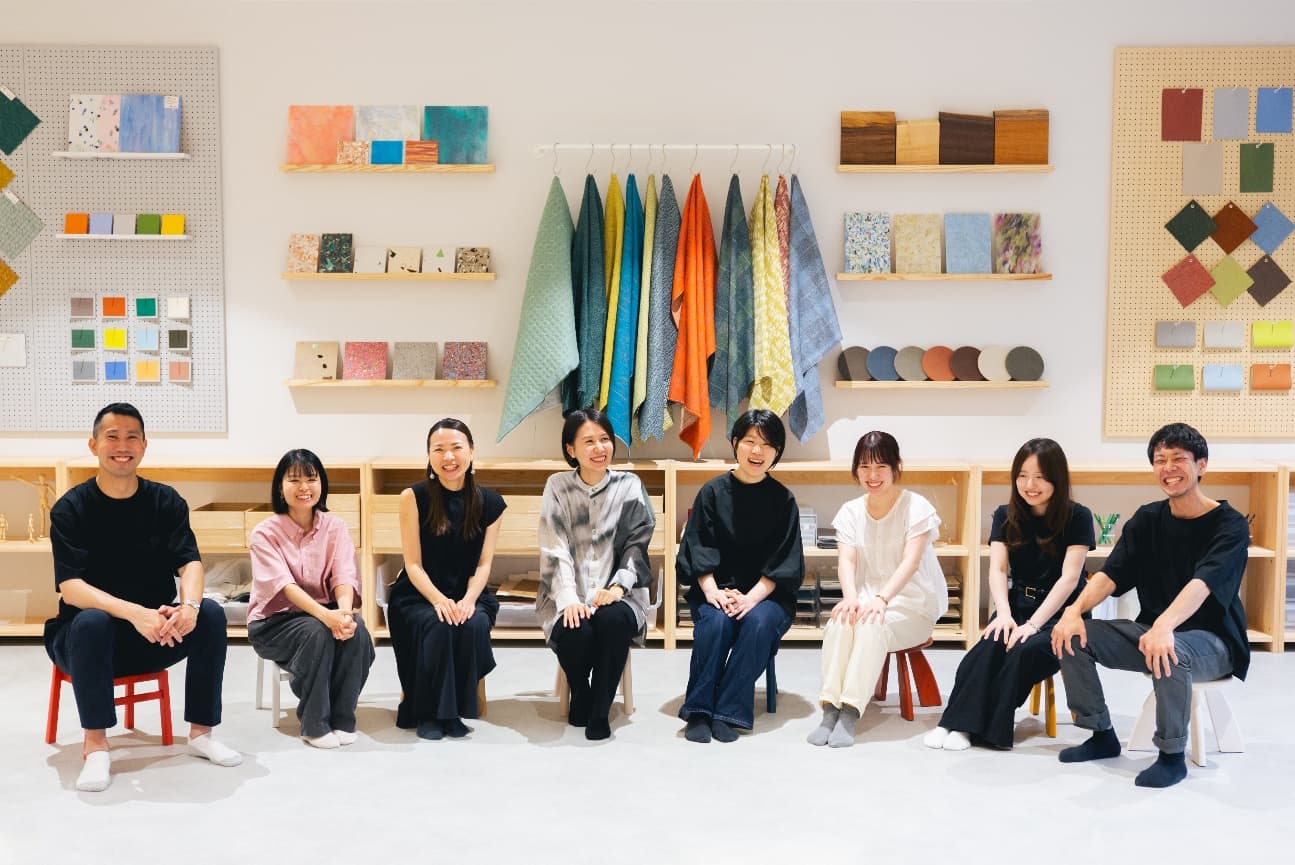
Inanobe, who has been leading concept design team as Room Chief since 2023, speaks about the team members as follows:
Inanobe: "We have members with a wide range of interests, from those interested in giant squids, to those interested in renovations, to those who love children.
It's not that you can be good at something if you like it, but that interest will lead to your individuality in the form of expertise, and become your identity as a designer. By combining individuality and likes, and taking advantage of the points that interest each of you, I think you can expand the possibilities to take on various challenges.
So, as a room chief, I try to value the combination of these personalities."
Inanobe says that the best part of his job is spreading the word about the fascinating aspects of cultural facilities as part of a team where each individuality shines.
To explore the possibilities of architecture from displays perspective and create a hub for cultural dissemination.
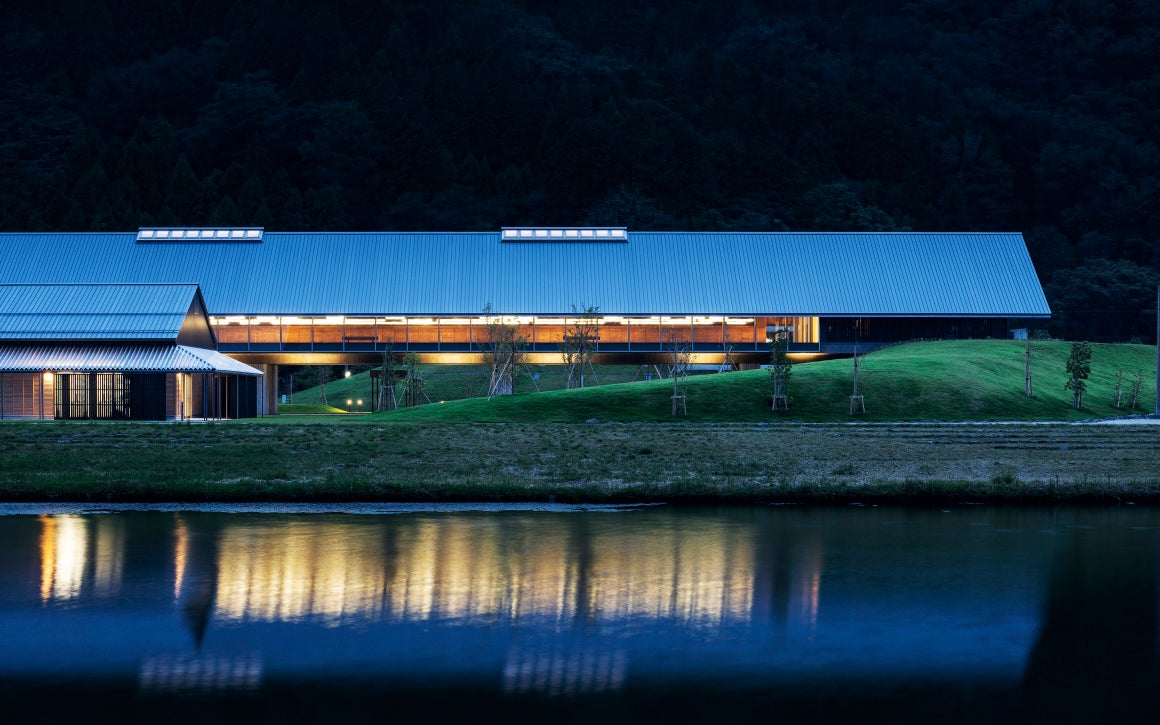
▲ 45m long Lake Suigetsu varve gallery for 70,000 years | "Varve Museum"
Inanobe studied architectural design in graduate school. While architecture encompasses various fields such as structure and facilities, she chose the path of concept design.
Inanobe: "When I was studying architecture, I enjoyed creating large models that focused on detail. I believe that a building isn't truly finished until you've concept design it in a way that allows people to actually use it."
Architecture as a place where people gather and interact. Driven by a desire to explore this possibility, Inanobe joined NOMURA Co.,Ltd. in 2013 and began his career as a designer.
For Inanobe, there is one project that holds a special meaning.
Inanobe: "The 'Annual Layer Museum' is the world's first museum dedicated to 'annual layers,' the striped patterns of lakebed sediments formed by layers accumulated at the bottom of lakes over long periods of time. It was the first project where I was solely responsible for displays concept design, and it allowed me to create the kind of space I had always envisioned, where the inside and outside interact with each other."
Here, we've displays 70,000 years' worth of annual layers on a 45-meter-long displays wall. The gallery itself is entirely made of glass, allowing the surrounding rural landscape to be seen as part of displays. From the outside, the annual layer displays appears as part of the building's facade, creating a harmonious world where the boundaries between displays, architecture, and landscape are seamlessly integrated.
The Varve Museum has been bustling with visitors since it opened in 2018. It has also been highly praised by experts in architecture and spatial display, winning numerous awards. The Varve Museum project marked a turning point for Inanobe.
Inanobe: "The more you learn about varves, the more fascinating they become, but our role is to make the general public interested in them and think that it's worth going out of our way to see them. This time, we came up with a way to show the varves' striped patterns using light.
I also think that for the local people, this has given them a chance to have their varves recognized as a globally recognized research topic and to take pride in their local culture and technology, so I'm happy to have had the opportunity to be involved in this valuable project."
The challenge of concept design that conveys the charm of living creatures
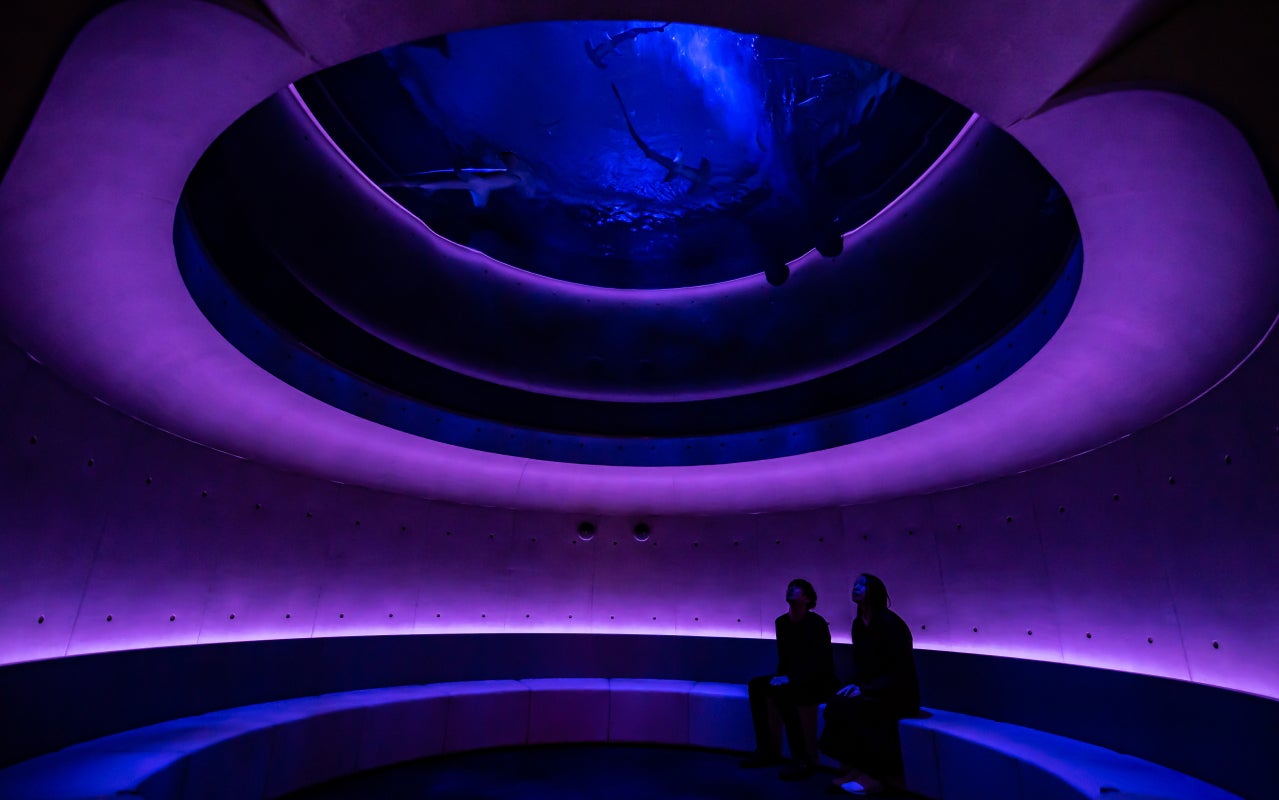
▲ Looking up at a school of hammerhead sharks from below in the Shark Shadow Tank "Kannazuki no Kake" | Shikoku Aquarium
Inanobe was soon transferred to Tokyo and began working on a number of natural history projects, where he could combine his interest in living things with his architectural knowledge.
Among them, the one that left the deepest impression on Inanobe was the Shikoku Aquarium. Designing the aquarium to bring out the mysterious form of the hammerhead shark was a new challenge for him as a designer.
Inanobe: "Hammerhead sharks, also known as hammerhead sharks, have a distinctive silhouette with a protruding head, so when we thought about where to best view them, we tried a new perspective of showing them from below. We used indirect lighting to create the feeling of floating, as if there was a mass of water above. Looking up at the swimming fish from a round window with a diameter of 4.5 meters, you can experience an overwhelming sense of realism and the sight of them in the wild."
Inanobe places great importance on how to convey the ecology and charm of the creatures he loves.
Inanobe: "We aimed to create a space that would captivate visitors by showing them the very essence of living life. Instead of simply bringing in a waterscape from somewhere else, I learned through this project that starting with what we want to convey leads to a variety of concept design."
At the same time, Inanobe was also experiencing major changes in his personal life, including the birth of his child, which he says had a major impact on his work.
Inanobe: "While balancing work and childcare, I was involved in the Morioka City Library renewal project.
In order to create a library that the local people would feel attached to, we planned a workshop based on our desire to work together to create the facility. Together with local children, we created a large fabric canopy that would symbolize the children's room. In the experimental stage, we got our own children to participate, finding their favorite green color from nature and coloring it together."
Even the process of building the facility is shared with the local community. Inanobe explains the importance of this:
Inanobe: "I think libraries are the most familiar of all government services. They are public facilities that are an extension of our lives, so it's important that they are familiar to the people who use them.
That's why we thought that by working together to create a facility, everyone would feel like the library was their own.
Since the library already had a lot of fans, we didn't suddenly change it completely, but instead kept the atmosphere of the previous library, but added lots of ideas to make it a little different."
A passion to expand the possibilities of culture and continue to convey its appeal
Inanobe, who is still involved in various cultural facilities as a designer, is challenging himself with the idea of "+Museum," which expands the concept of culture.
Inanobe: "The '+Museum' concept I'm aiming for involves viewing various facilities as museums, including not only museums and art galleries, but also children's playgrounds, zoos, aquariums, and more. It's about expanding the strengths in museum concept design that NOMURA Co.,Ltd. has cultivated to date into various fields."
When I think about the infinite possibilities that exist, everything seems interesting, and my vision expands as I think, "Let's do it this way," or, "It would be better if we did it this way," so I feel like challenging myself to try new approaches. I find this process very exciting."
Inanobe continues to create new value for cultural facilities with his free-spirited, unconventional thinking. He says that the driving force behind these challenges is his family.
Inanobe: "I've started to focus on concept design that take children's perspectives into account. When I tour facilities with my own child, they give me honest reactions, which I find very helpful. I feel that the sensibilities I've cultivated through raising children are giving me hints on how to convey the appeal of displays to a wider audience."
Inanobe hopes to increase the number of people who will be involved in concept design of cultural facilities in the future. He says he doesn't want to keep the specialized know-how he has cultivated to himself, but rather wants to share it with many people.
Inanobe: "When I talk to people, there are actually a lot of people who are interested. I want to let those people know that cultural facilities are a very interesting genre and recruit more people to join in.
Our company has a corporate culture that values what each individual likes. I think it's attractive that you can develop your career by making full use of what you are interested in and what you value."
Driven by curiosity, he pursues a career that is unique to him. Inanobe continues to expand his possibilities in an environment that supports this way of working. With an exciting feeling of fun in his heart, he will continue to run at the forefront of cultural facility development.
*The information provided is current as of May 2024.
Sho Inanobe
Joined NOMURA Co.,Ltd. in 2013. He has handled many projects requiring an architectural approach, and obtained his first-class architect license in 2016. He has worked on numerous projects as a museum designer. Since then, he has built a strong track record, primarily in natural history facilities, and currently works on a wide range of projects including aquariums, zoos, and libraries, based on the concept of "adding a museum to public facilities."
Cultural facilities are profound and fascinating. The way of thinking of NOMURA Co.,Ltd. 's designers, who pursue their passions and continue to evolve.
PAGE TOP
Contact us
Please contact us using the button below if you have an inquiry, want to request a quote or request documents. We have created a separate “FAQ page” that lists the most common questions we are asked. Please take a look at this page if you have a question.
This website uses cookies to improve customer convenience and also to maintain and improve the quality of our services. Click the “I Agree” button if you agree to the use of cookies. Refer to the Privacy Policy for details.




![Drawing out children's passions through numerous experiences [Part 1]](/_next/image/?url=https%3A%2F%2Fnomura-kogeisha.g.kuroco-img.app%2Fv%3D1779774440%2Ffiles%2Fuser%2FSCENES%2FVol.05%2FPandD_JUNOPARK%2F477A3016b_jitsuga.jpg%3Fwidth%3D800&w=1920&q=75)