
Experiencing the passion and technology behind plastic models at a factory that embodies the future [Part 1]
- #Chubu
- #Award Winning
- #Digital and sculptural production
- #2025

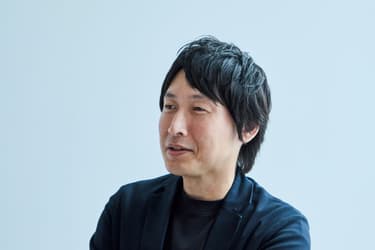
Yukio Matsuhashi,BANDAI SPIRITS
Hobby Division, Hobby Creation Department, General Manager
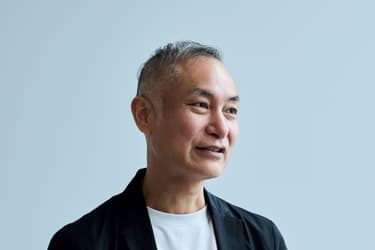
Hirotake Taguchi,Bandai Namco Holdings
CW360 Project RESONANCE Deputy General Manager
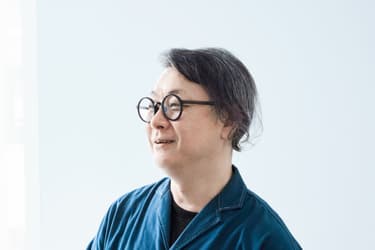
Kaoru UedaNomura Kogeisha
Creative Production Division, Content Integration Center, Entertainment Design Department, Room 1, Room Chief
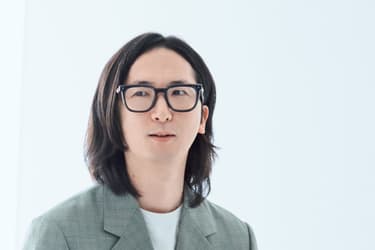
Shinsuke UesugiNomura Kogeisha
Creative Production Division, Content Integration Center, Entertainment Design Department, Room 3, Designer
Soichi YoshitakeNomura Kogeisha
NOMLAB Future Creation Institute Planner
Takashi KamiyaNomura Kogeisha
Culture and Communication Promotion Headquarters, Fourth Business Division, Sales Department 1, Section 2, Chief
Planning & Design - An interactive model kit museum that conveys the joy of making things.
BHCPDII MUSEUM
Shizuoka, Shizuoka City
How can efficiency be maintained while simultaneously preserving the joy of craftsmanship? This is a challenge common to all manufacturing industries. What makes a factory attractive to its employees? What makes a factory a source of pride for fans of its products, or for the local community? From these challenging themes, a museum integrated with a futuristic factory was born.
We want to change the conventional image of factories.
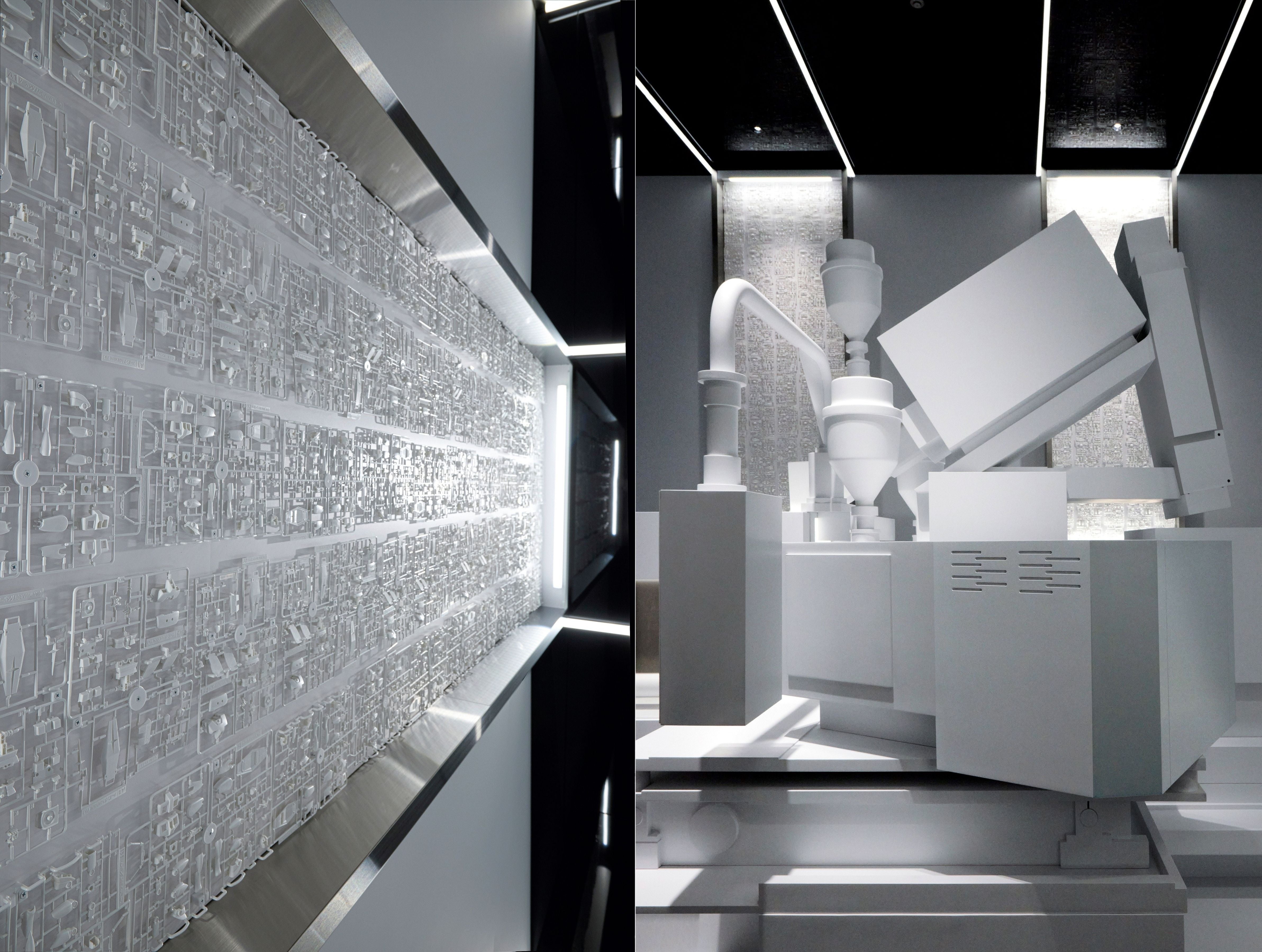
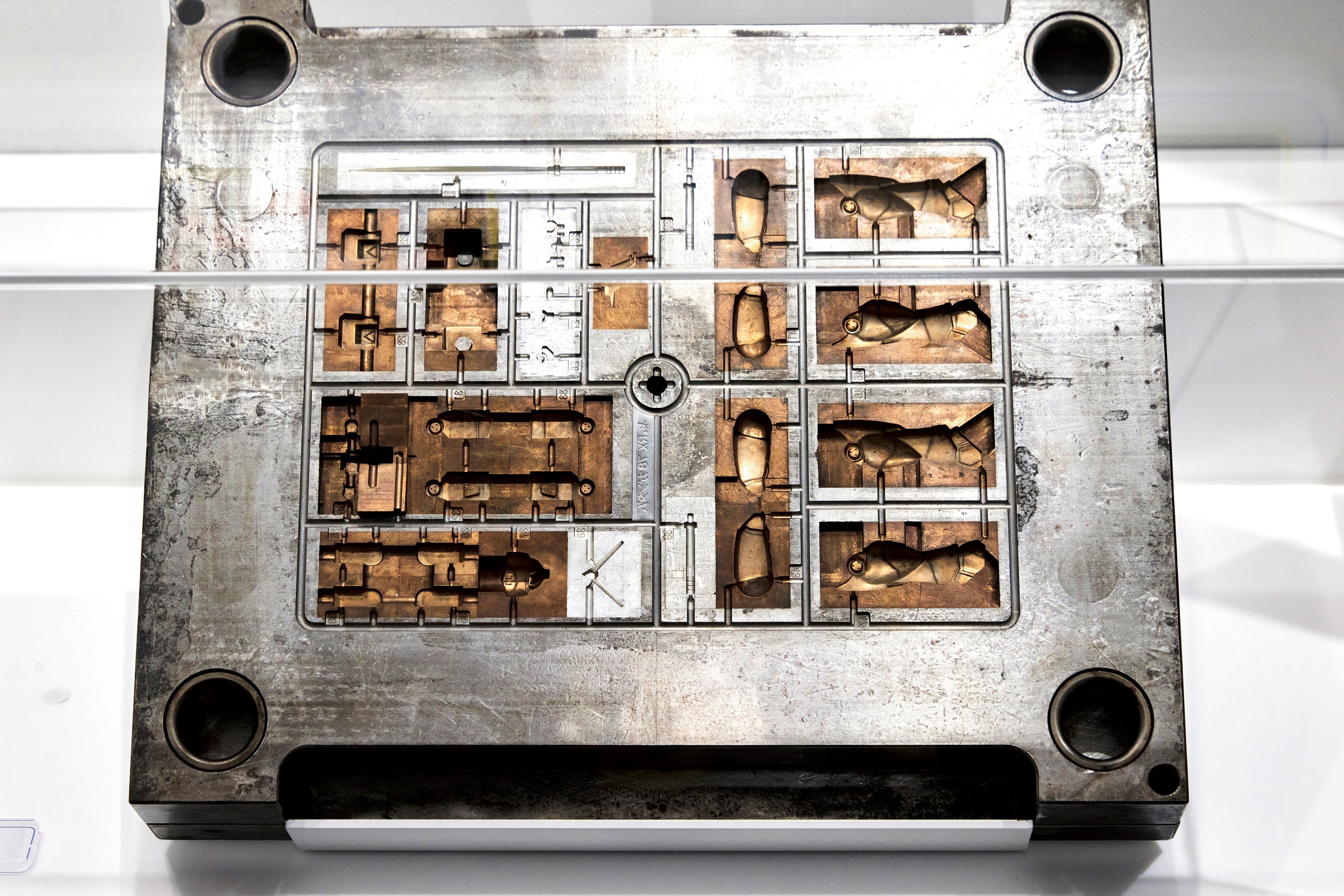
In the waiting area before the entrance gate, there is a pure white molding machine sculpture. On the wall are runners and molds. Both are beautiful as works of art.
Looking up from the museum entrance, the first thing that catches your eye is a gigantic Gundam model kit. It's a life-size 1/1 scale model, with the parts still attached to the frame, known as a runner, forming the entrance facade. Turning to the back of the runner, you'll find the instruction manual. It states that a 4-meter-long pair of nippers is needed for assembly, and provides assembly instructions just like those for a real Gundam model kit. The parts are shaped to be assembled, just like a real model kit. The attention to detail will be irresistible to model kit enthusiasts.
This museum is located next to BANDAI SPIRITS' new factory, BHCPDII (BANDAI HOBBY CENTER PLAMO DESIGN INDUSTRIAL INSTITUTE), which began operations in July 2025. It was planned as an integral part of the new factory, based on the concept of "changing the way people see plastic models."
Yukio Matsuhashi of BANDAI SPIRITS said that they aimed to create a new factory that would not just be a production facility, but one that would become an attractive source of content.
"BHC (Bandai Hobby Center), which is also a production base for Gunpla (plastic models of the Gundam series), has been in operation since 2006, but the demand for Gunpla has increased significantly due to factors such as people staying at home. In order to meet the expanding demand, we planned a new factory on the site right next door."
At that time, we had the desire to create a factory that would not just produce goods, but one that would add value. With the working population declining, and especially with a decrease in workers with specialized skills, we wanted to create a factory that would be attractive to employees. Furthermore, we wanted it to be an attractive factory for fans and to convey the appeal of "Made in Japan" to the world. We decided to create a factory that would overturn the conventional image of factories, and adopted the concept of a "factory that captivates." As part of that concept, we included a factory tour course in the framework of the plan from the beginning."
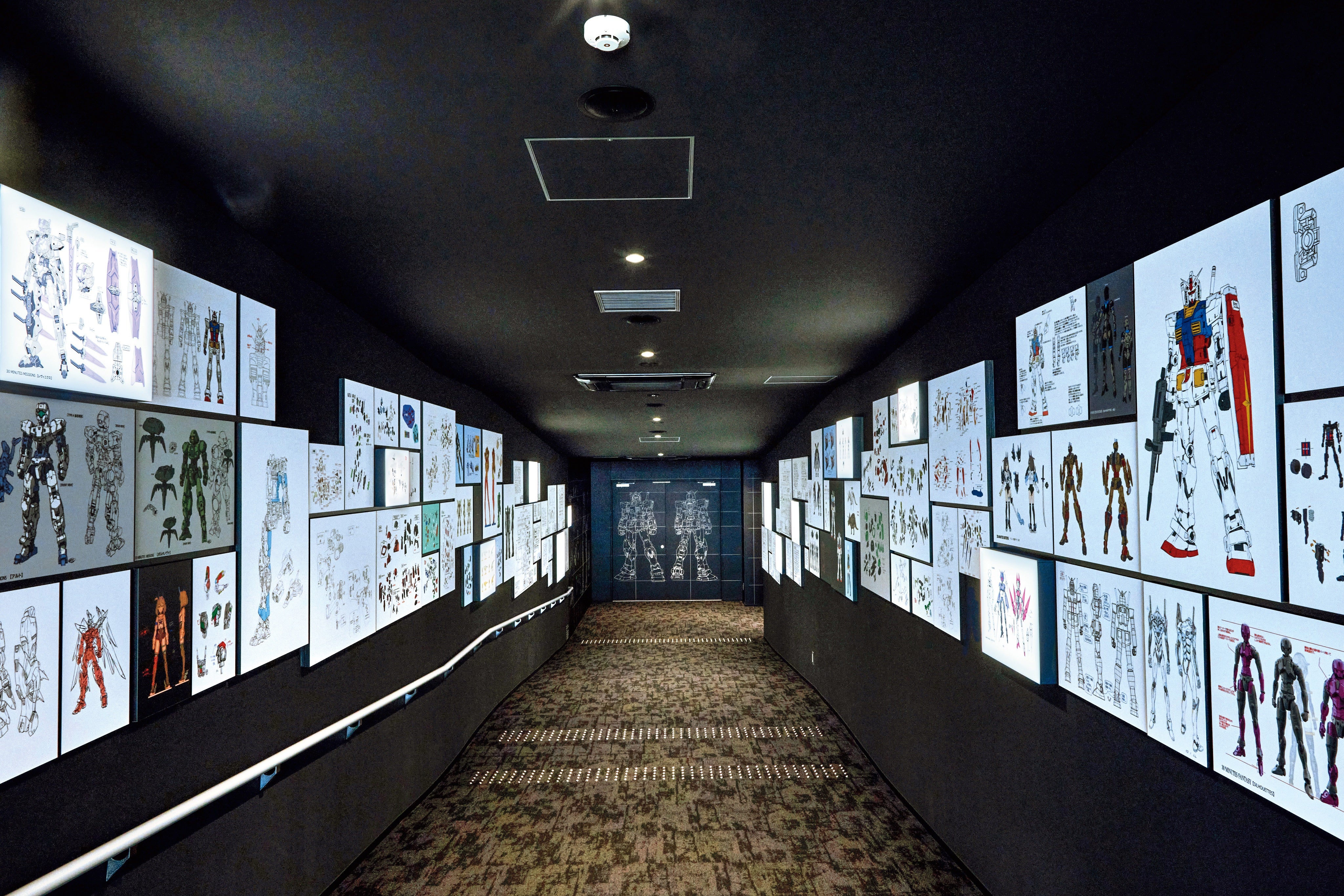
The corridor displays design drawings and blueprints of past plastic model kits. Even the correction instructions and markings are shown as they were.
What kind of factory tour should it be? The person in charge of planning it was Hirotake Taguchi of BANDAI SPIRITS (at the time). Taguchi said:
"At that time, I was working on a promotion to change the image of plastic model kits. In the past, being an anime fan was a hobby that was a little embarrassing to admit, but it gradually gained acceptance. I thought that the plastic model market wouldn't expand unless we created a similar atmosphere. Then I got a proposal to 'change the image of the factory and create a factory tour as part of that,' and I thought it was in a similar context."
The important role of a "factory that captivates" is to make visitors want to work there. However, a simple tour doesn't easily achieve that goal. So, we needed to increase the resolution of the visitors' experience. And not just passive experiences, but active ones as well. In this way, we wanted to change the image of factories and plastic models—that's how the concept expanded.
As a result, the discussion shifted from a tour route to a museum. We wanted to become the "makers" of the plastic models we create every day. We wanted to create a museum that would make visitors feel that way. To symbolize the "makers," we coined the term "plastic model designer" and decided to place it at the center of the content.
"It's like a theme park, where visitors to the museum can experience a simulated version of the training and tests required to become a plastic model designer."
Making overflowing emotions "visible"
Taguchi compiled his thoughts into a single sheet of paper. The person who received it was Kaoru Kamida, the design director of the Nomura Co., Ltd. team that was in charge of actually creating the museum.
"On a single sheet, Mr. Taguchi's heartfelt thoughts are densely written in a single sentence without any line breaks. From the start to the end of the facility, it tells the story of what kind of experience he wants visitors to have and what kind of feelings he wants them to have. It also incorporates stories about the model kit designer and his dedication to craftsmanship. I felt it was a bible for us as we were creating the museum. In fact, we went back and forth with Mr. Taguchi and others many times to 'visualize' these thoughts."
Ueda himself had experience building plastic models when he was a child. However, he said that the actual production site for plastic models was full of things he didn't know.
"First, wanting to understand their commitment to manufacturing, I followed the process of making plastic models, from design and coloring to mold making, molding, and package design, and spoke with the actual people in charge to delve deeper into the topic."
What I found interesting was how the design team coordinated with the people in charge of the later stages of the process, overseeing it until the very end, and conducting reviews and making checks and adjustments along the way. It was very similar to our work, so it was easy to understand and relate to.
Conversely, what surprised me was that while the designer was drawing the finished product design, in their mind it was broken down into individual parts. It's obvious that it wouldn't become a model kit if it wasn't broken down into parts, but they design it while thinking about it from the very beginning.
What surprised me even more was the mold making process. They consider the arrangement to ensure that the resin flows easily into every nook and cranny. For the parts to assemble smoothly and neatly, an accuracy of 0.5/1000th of a millimeter is required. There are thousands of colors of resin alone to choose from.
And finally, the packaging. It's the very last step in the process, but it's the first thing customers see. Because it's the most important part in getting people to pick up the product, we put an incredible amount of effort into the design. All the attention to detail from each stage of the process is concentrated in the packaging."
Based on Mr. Taguchi's concept, the museum's structure was decided through back-and-forth discussions between both parties. The first half would be the "STUDY area," where visitors could learn about the process of making plastic models and the latest technologies. The second half, the "LABORATORY area," would allow visitors to try their hand at the work of a plastic model designer, applying what they had learned.
A sudden surprise: cheers erupt.
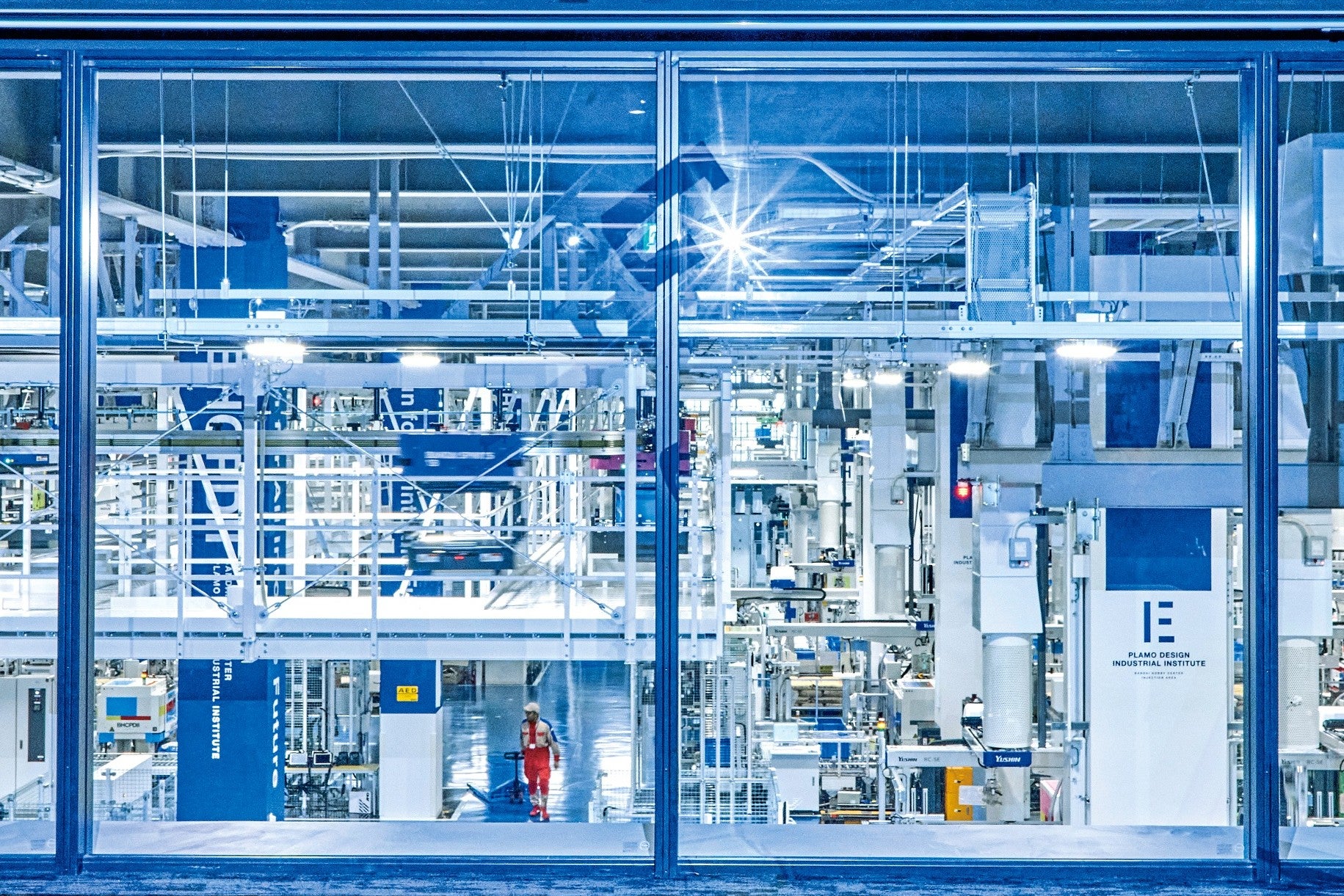
Apart from the exhibits themselves, a major theme was how to present the factory to visitors. Aiming to create a "factory that captivates," the view is indeed impressive. 94 injection molding machines, each painted in the favorite colors of the employees in charge, are neatly lined up on a white background, while robotic arms silently carry out their tasks. Rails run through the air, and automated transport vehicles move about. Because the entire factory is automated, there are few people on the floor, making it truly a factory of the future.
"The neighboring BHC has a world view that's completely taken over by Gundam, and even the uniforms of the employees are modeled after the Earth Federation Forces uniforms from the anime. But at BHCPDII, for example, we asked Tokyo University of the Arts to design the uniforms, and together we developed a design that reflects the latest trends, rather than a military style."
"With BHCPDII, we want people to simply see, experience, and, if possible, want to work in a highly advanced manufacturing environment, including mold making and molding. It's fascinating just to watch large machines operating automatically. When designing the factory, we strongly wanted to showcase this," (Matsuhashi).
The museum space is integrated into the factory, and there are windows that offer views of the factory interior. The Nomura Co., Ltd. team racked their brains to come up with a plan for when and how to present the exhibits.
The chosen plan involves revealing the entire factory at a time that visitors would never expect. Since it's a surprise, I can't reveal the details here.
"This became the point that impressed visitors the most. The molding technicians who were being watched were also very conscious of it," (Matsuhashi).
"When visitors see the factory, they cheer. It truly is a 'factory that puts on a show'," says Ueda.
It's that good. It's the best content in the museum.
There's another area in the museum that surprises visitors. It's a room with a high ceiling, and all four walls are completely covered with white Gundam model kits. There are 4,000 of them. Shinsuke Uesugi, the designer at Nomura Co., Ltd. who proposed this project, says:
"There was a space where we hadn't decided what to exhibit. So, I wanted to express quantity. One molding machine can produce 4,000 units a day. I suggested making that a realistic visual representation."
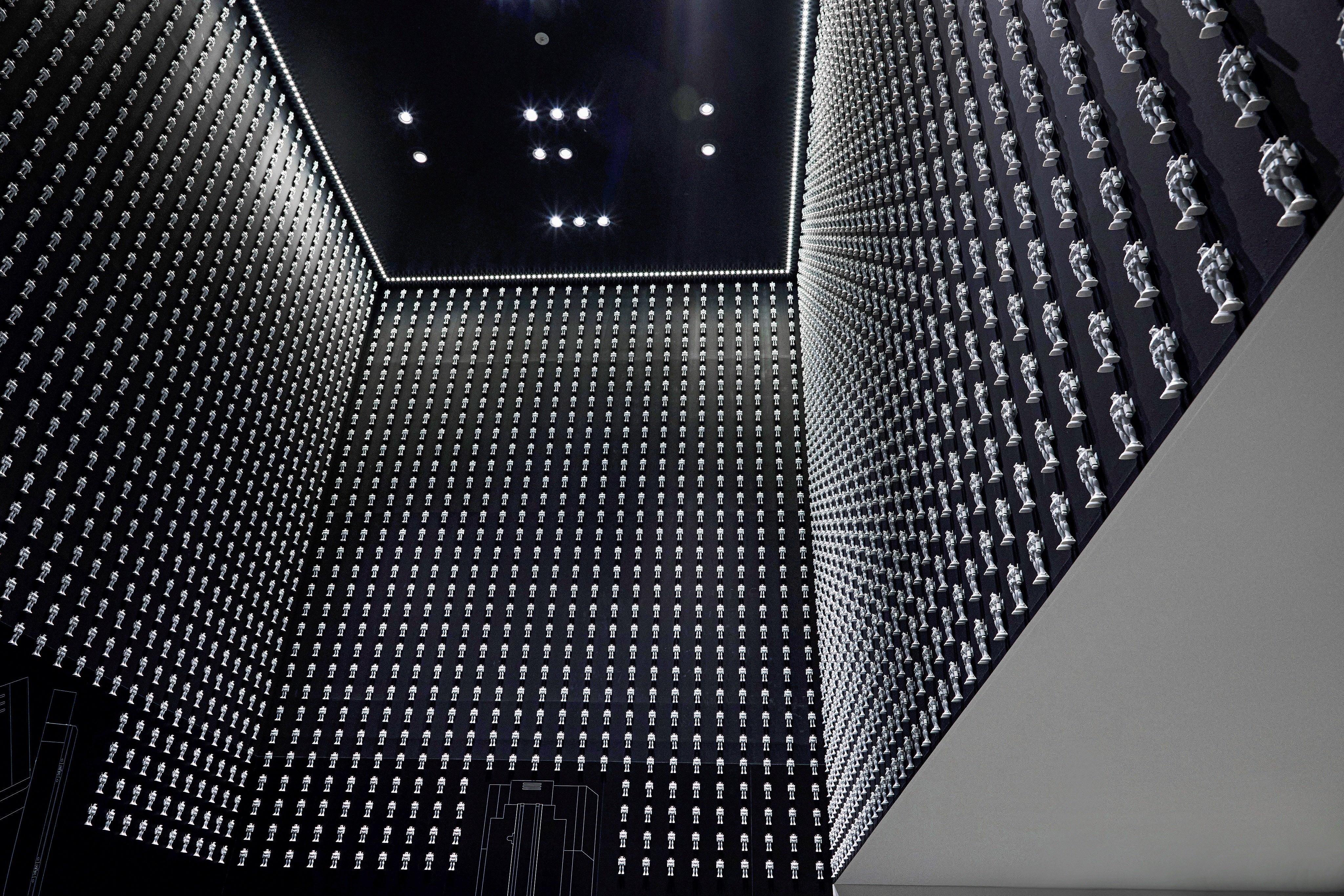
This symbolizes the amount of Gunpla that one molding machine can produce in a day, and the aspirations of the local community.
BANDAI SPIRITS, upon receiving the proposal, turned the assembly of 4,000 Gundam models into an event. They created special Gundam model kits and distributed them to business partners, children, and fans through the event. Participants were then asked to bring their assembled models to the event. Taguchi describes the effects of this initiative.
"As a facility that coexists with the local community, we really wanted them to participate in some way. With 4,000 figures gathered, this museum has become a place filled with the feelings of the local people and fans. I think it was a wonderful plan."
I want to showcase "people" through the exhibition of "things".
The overall creation process involved the Nomura Co., Ltd. team breaking down, refining, designing, and shaping Taguchi's compositional concept. Taguchi says:
"First, we show the runners at the entrance, then the molding machine, then the mold, and then the design—tracing the process in reverse order from the finished product. From there, we show the design, mold, molding, and packaging in order. I wanted to intuitively move towards the heart of how plastic models are created and then build the flow from there to where they are created again."
In response to this, the Nomura Co., Ltd. team's design policy was to fully showcase the beauty of craftsmanship.
"If we were to design it in the usual way, we would probably aim for an easily recognizable plastic model feel and make it a colorful space. But if you look closely, the runners and molds are also very beautiful as forms. We wanted to showcase the beauty of craftsmanship," (Uesugi).
In fact, the interior of the building is decorated in a simple color scheme based on white. As you enter the entrance, past a 1/1 scale model of a runner, you'll find a pure white molding machine sculpture in the reception area. The walls on both sides are decorated with molds and white runners all the way up to the ceiling, making it feel like an art museum.
After passing through the gate, you'll find an area displaying authentic design drawings and blueprints from the past. The red ink markings, which show the repeated revisions made by the designers, are also on display.
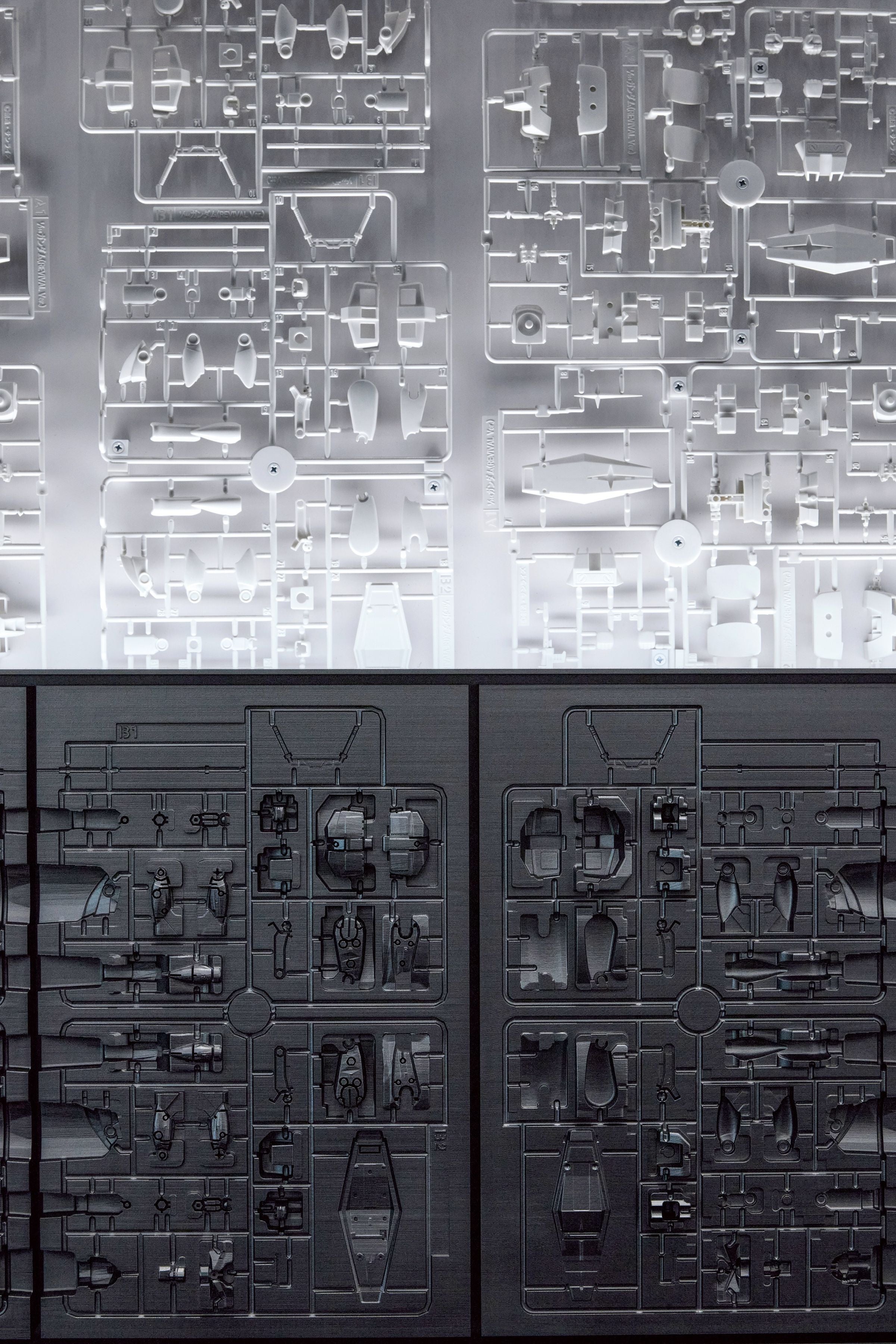
Furthermore, after the theater experience, the museum then shows visitors the entire process of making plastic models and the latest technologies involved. It's not just a museum of plastic models, but a museum of "plastic model making" from design to packaging.
According to Soichi Yoshitake, the planner in charge of content creation for the Nomura Co., Ltd. team:
"The exhibits are made up of objects, but what we want to show is not the objects themselves, but the actions of the people doing them. So, it's not a museum of objects, but a museum where people can learn about the manufacturing process and techniques used by the people who work here. The main characters are the 'people' who work in this factory."
What Yoshitake focused on was the model kit designer test that would be held in the LABORATORY area in the latter half of the event.
To be continued in Part 2.
profile
Yukio Matsuhashi,BANDAI SPIRITS
Hobby Division, Hobby Creation Department, General Manager
Hirotake Taguchi,Bandai Namco Holdings
CW360 Project RESONANCE Deputy General Manager
Kaoru UedaNomura Kogeisha
Creative Production Division, Content Integration Center, Entertainment Design Department, Room 1, Room Chief
Shinsuke UesugiNomura Kogeisha
Creative Production Division, Content Integration Center, Entertainment Design Department, Room 3, Designer
Soichi YoshitakeNomura Kogeisha
NOMLAB Future Creation Institute Planner
Takashi KamiyaNomura Kogeisha
Culture and Communication Promotion Headquarters, Fourth Business Division, Sales Department 1, Section 2, Chief
NOMURA's Media

- NOMURA Co.,Ltd.SCENES


Please contact us using the button below if you have an inquiry, want to request a quote or request documents.
We have created a separate “FAQ page” that lists the most common questions we are asked.
Please take a look at this page if you have a question.