
Hachioji History and Local Culture Museum Opens, Connecting the History of the City to the Future | Nomura Co., Ltd. Handles Interior Design, Exhibition Planning, Construction, and Operation
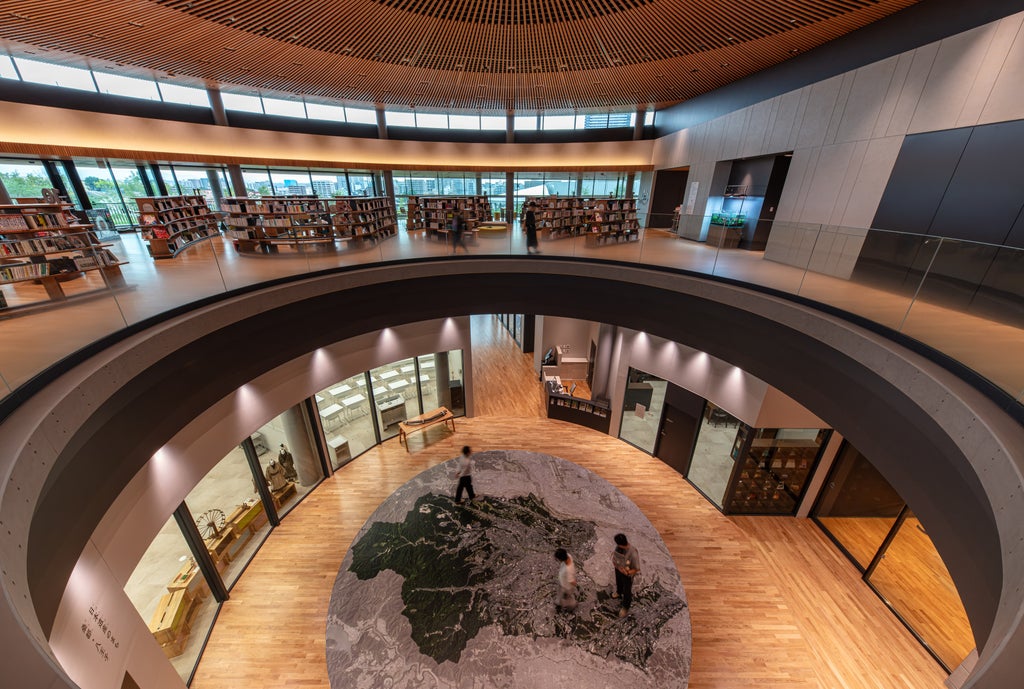
"Sōto no Mori," a multi-purpose complex built through a PFI (Private Finance Initiative) project, has opened.
On October 3rd, 2026 (Saturday), "Soto no Mori," a park, museum, library, and community space integrated into one location, opened on the former site of a medical prison at the south exit of Hachioji Station. Hachioji once prospered from sericulture and weaving and was known as "Soto" (Mulberry City). "Soto no Mori" inherits that history and culture, and further realizes a "third place" equipped with three functions: learning, exchange, and disaster prevention. It was developed as a PFI (Private Finance Initiative) project*, integrating "Hachioji Central Park" with disaster prevention functions, "Hachioji History and Local History Museum" that connects the history of the region to the future, "Ikoi Library" that promotes learning, exchange, and gathering, and "SPOT HACHIOJI" which connects these and can be used in various ways.
Nomura Co., Ltd., as a member of Hachioji Mirai Terrace Partners Co., Ltd., which is in charge of the PFI project, was responsible for the planning, design, and construction of the interior and exhibits of the "Hachioji History and Local Culture Museum." After the opening, Nomura Co., Ltd. will be responsible for the operation of the museum in cooperation with the city.
*PFI project: An abbreviation for "Private Finance Initiative," a method of constructing, operating, and managing public facilities using private capital.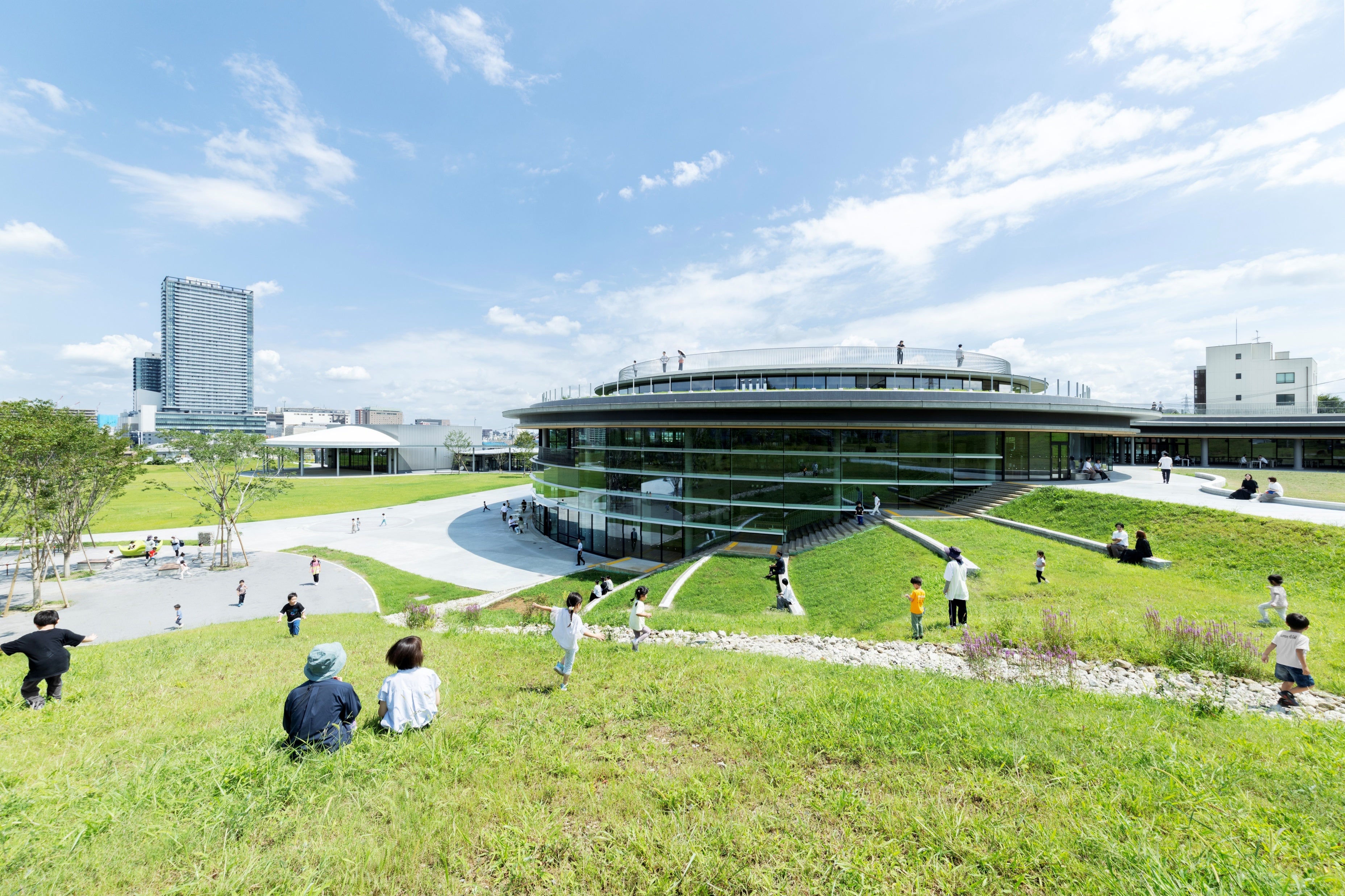 Panoramic view of the Sōto no Mori (Mori of Sōto)
As "The Truly Enjoyable Forest of Sōto," it will become a place where everyone can be themselves, fostering pride in the town and a bright future.
Photography: nsphotographs Ken Nagare
■ concept
Hachioji: A town where people and cultures come and go, with a continuous network of "roads."
A museum tracing its origins and the lives of the people who lived there.
Incorporating the facility concept of "Soto no Mori," which is "a third place that weaves together people and information to create the future," and the idea of citizen co-creation, we have shaped the exhibits so that citizen activities and diverse experiences are linked to the museum. We have set two axes: the "people axis," which focuses on the pioneers who have woven the history of Hachioji, and the "co-creation axis," which is a mechanism for citizens to participate in the creation of the museum. We aim to create a museum that learns from the history and culture of Hachioji and connects to the future.
■Main areas
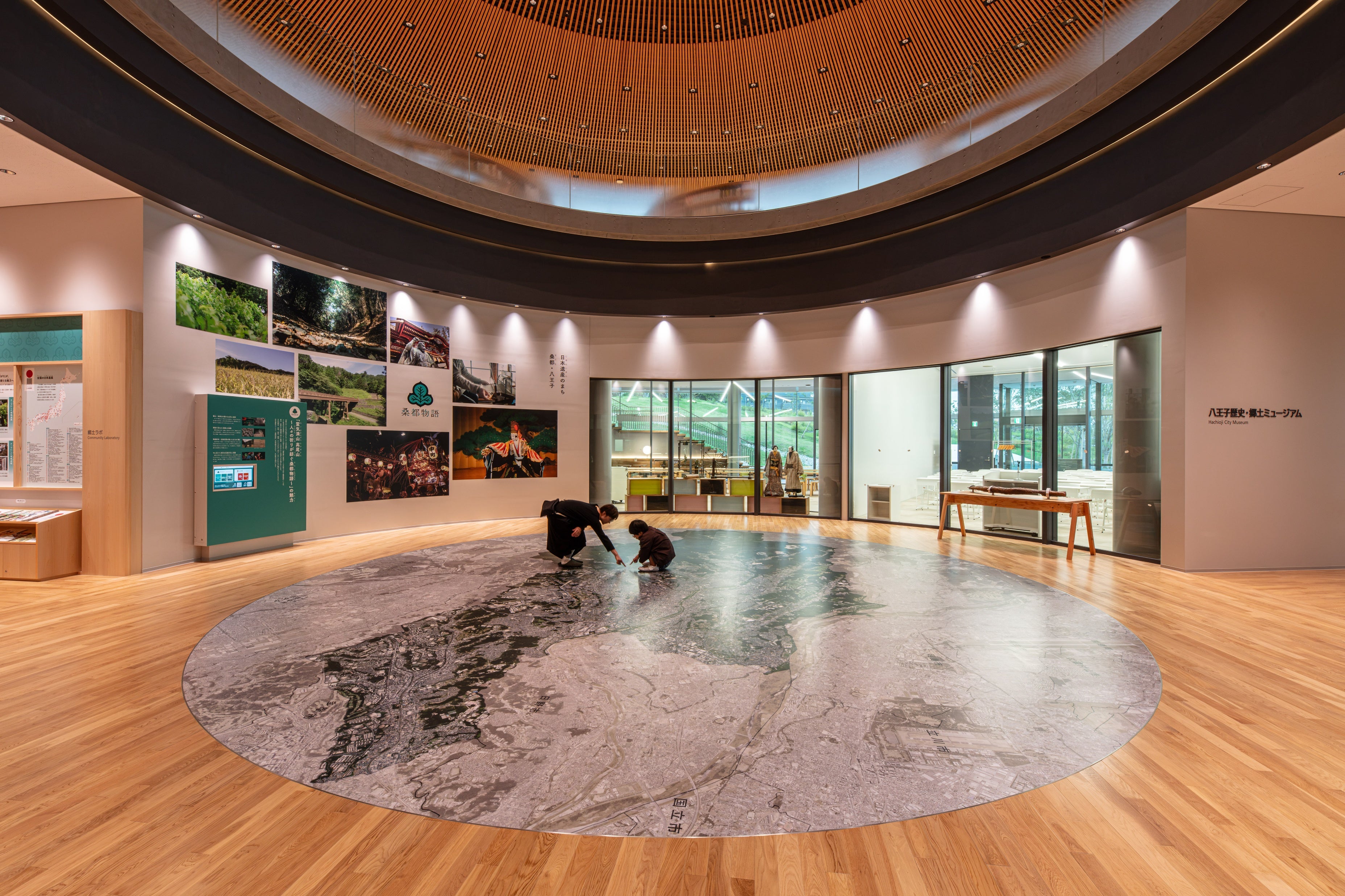 |  |
Left: Atrium lobby
This is the central space of the facility where the history woven by people and the future nurtured by people interacting intersect. It introduces the Japanese Heritage site "Soto Monogatari" (The Story of the Silk Capital).
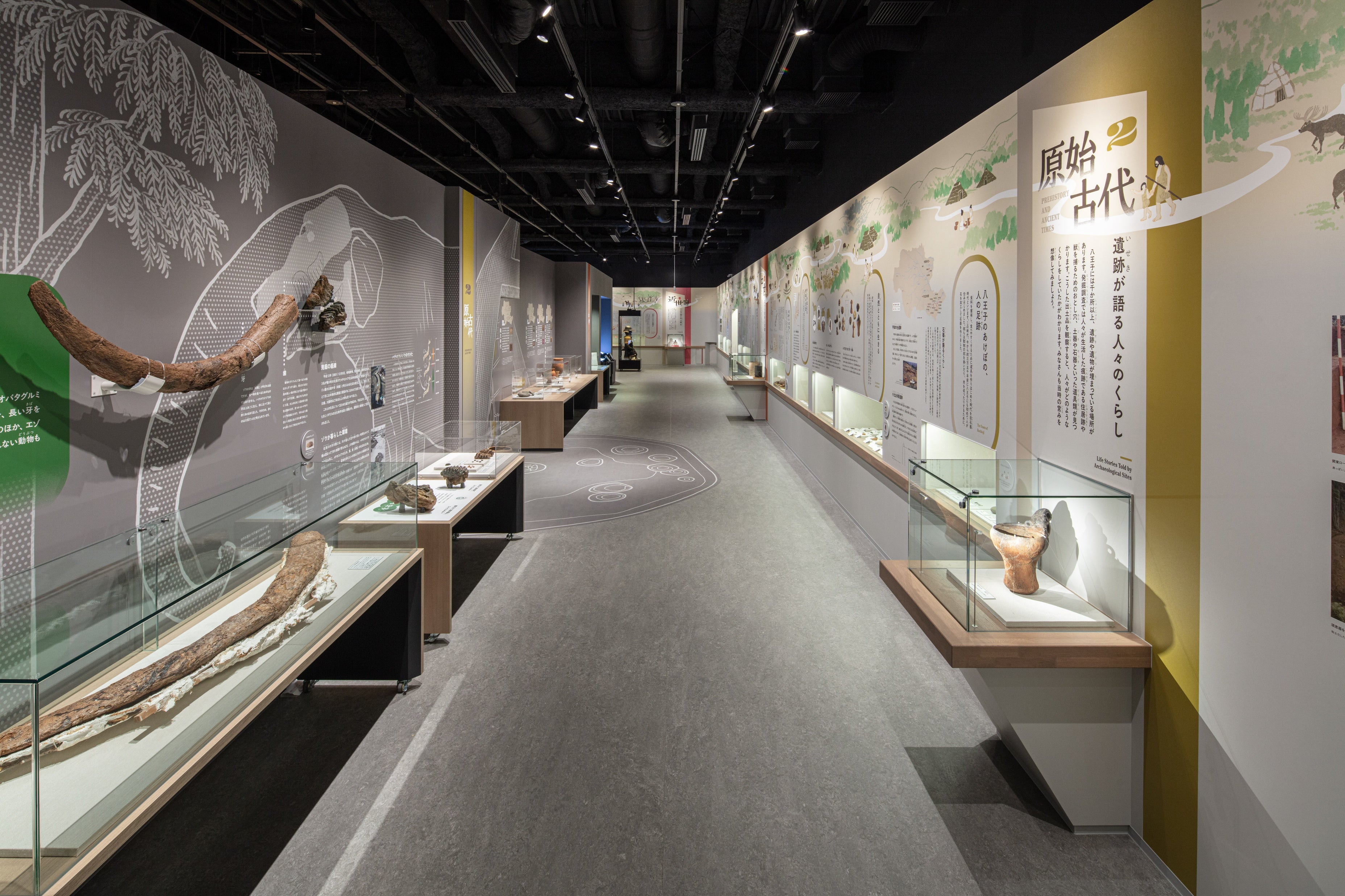
Right: Exhibition room 1
Hachioji's "historical scroll" stretches from prehistoric times to the present day. The roads and the footprints of the people depicted on them continue right up to our feet today.
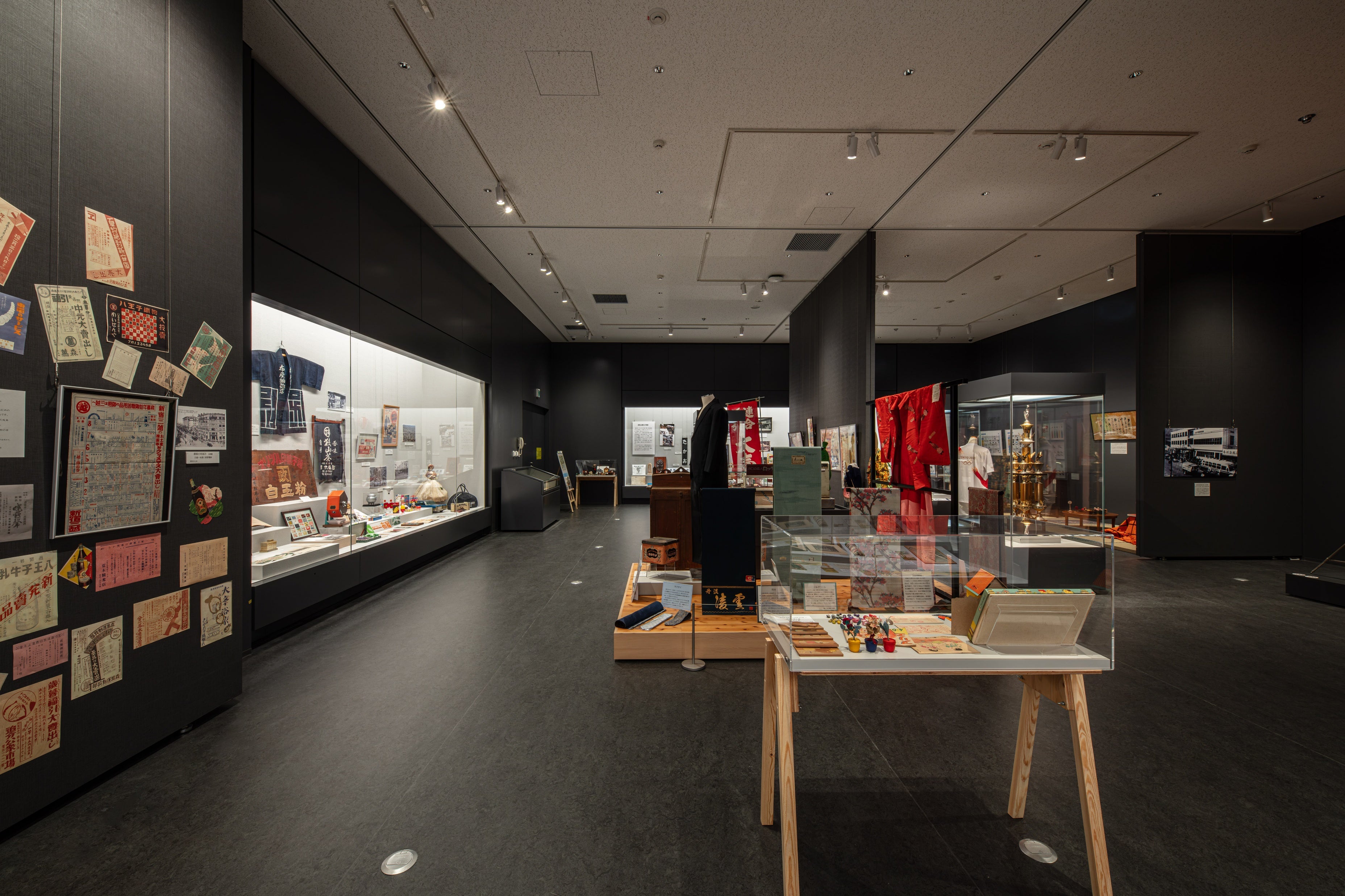 |  |
Left: Exhibition rooms 2 and 3
We host special and themed exhibitions. Exhibition Room 3 is also equipped to display national treasures and important cultural properties.
Right: Collection and Exhibition Room
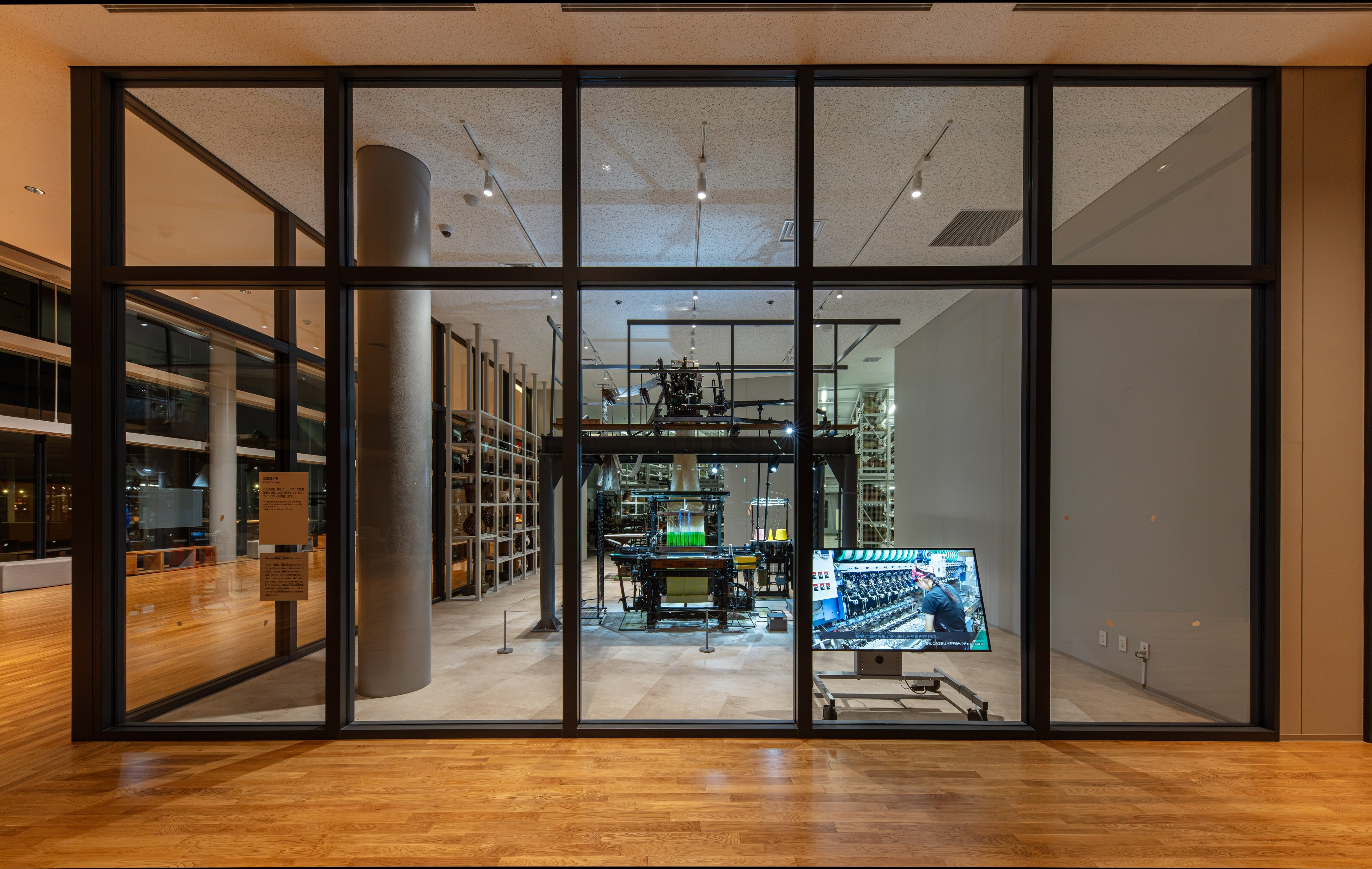
As a museum preserving cultural assets of Hachioji, the storage facility itself is open to the public. Visitors are greeted by a power loom, a symbol of Hachioji's textile industry.
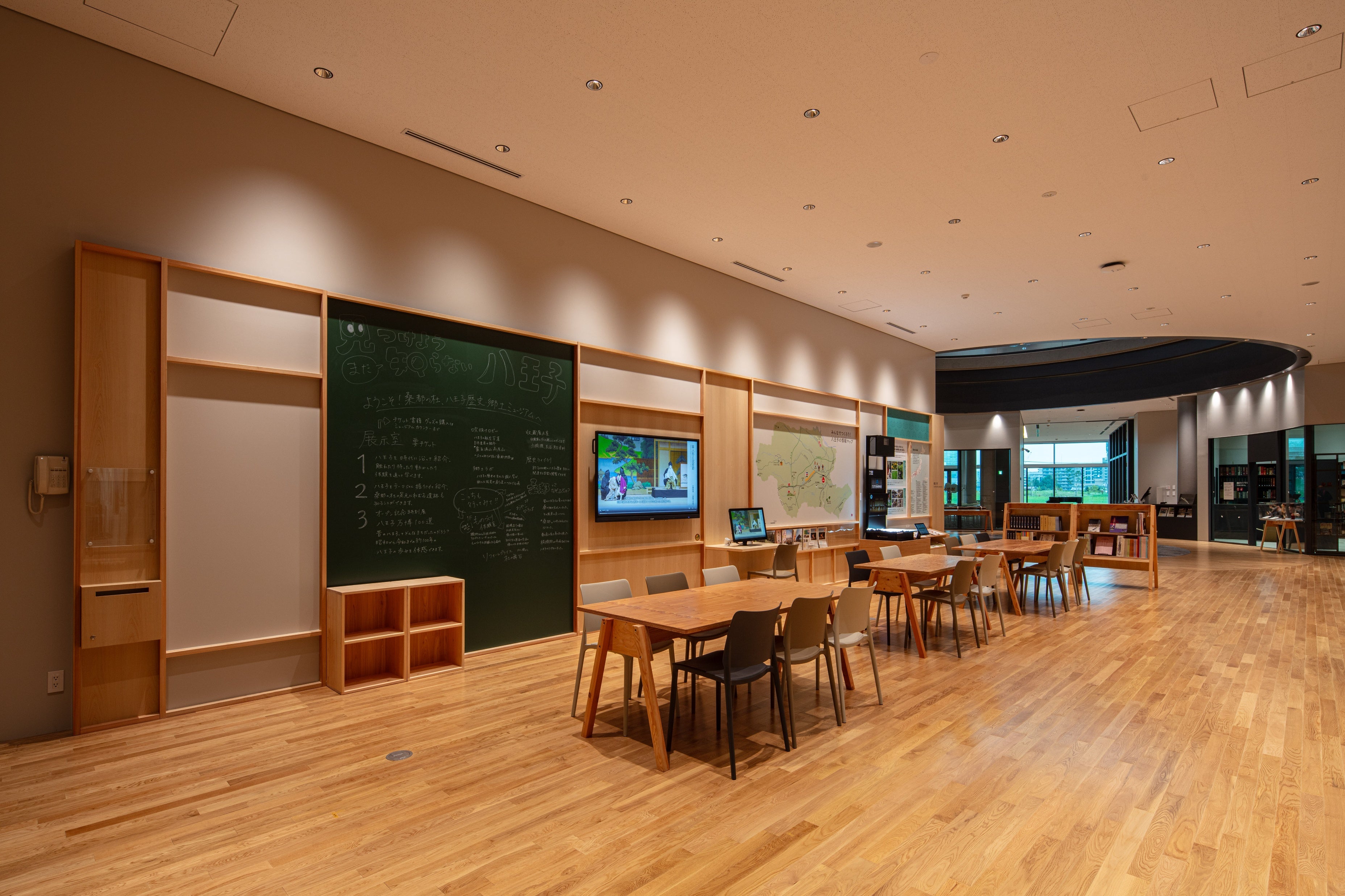 |  |
Left: Local History Lab
This is a collaborative space for research and creation of Hachioji's history and culture through workshops and seminars. We will also provide detailed information about the Japanese Heritage site "Sōto Monogatari" (The Story of the Sōto).
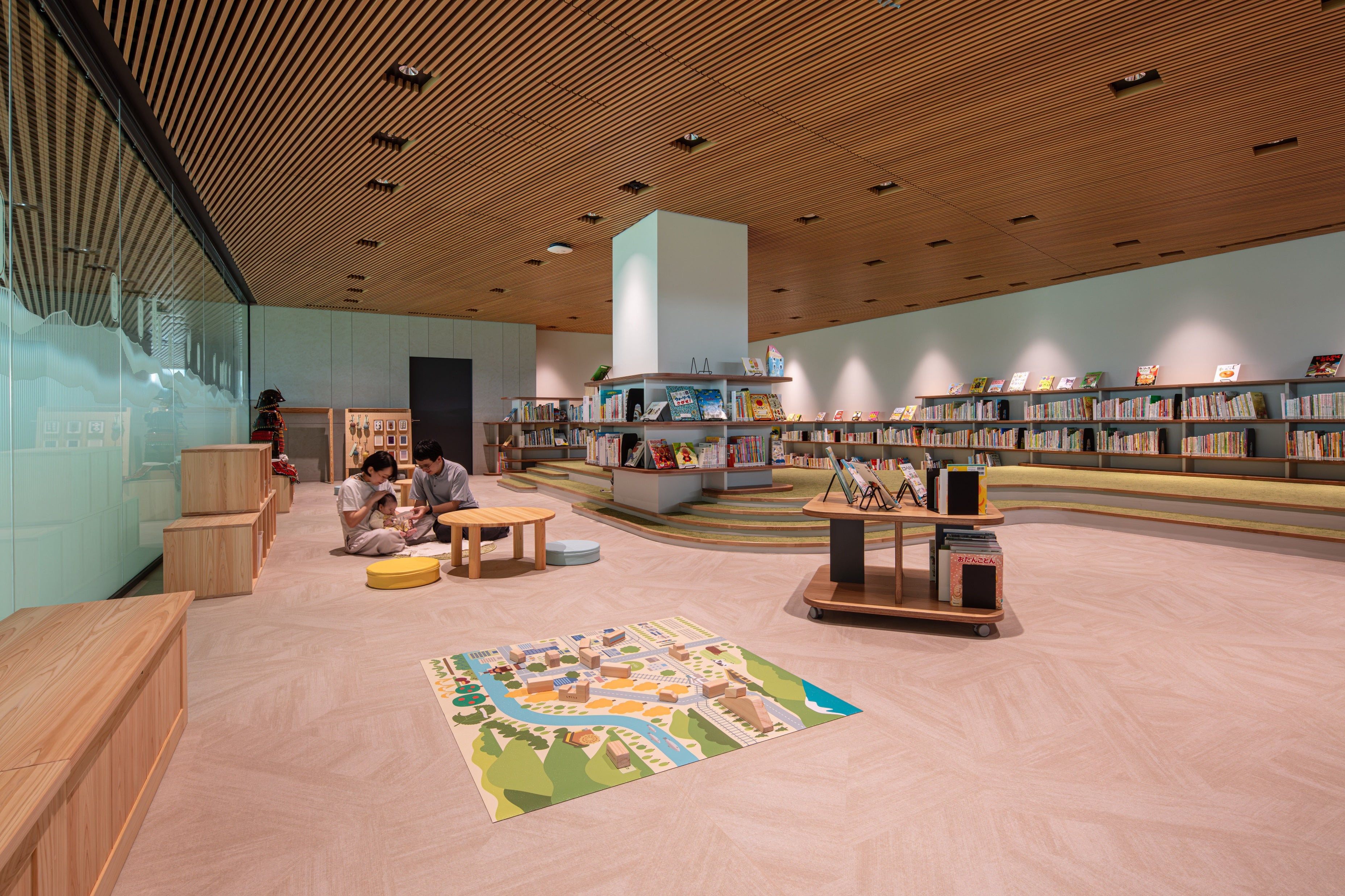
Right: Parent-child play area
This is a space for parents and children to enjoy, featuring displays of materials from silkworm farmers, toys developed in collaboration with welfare facilities, and picture books.
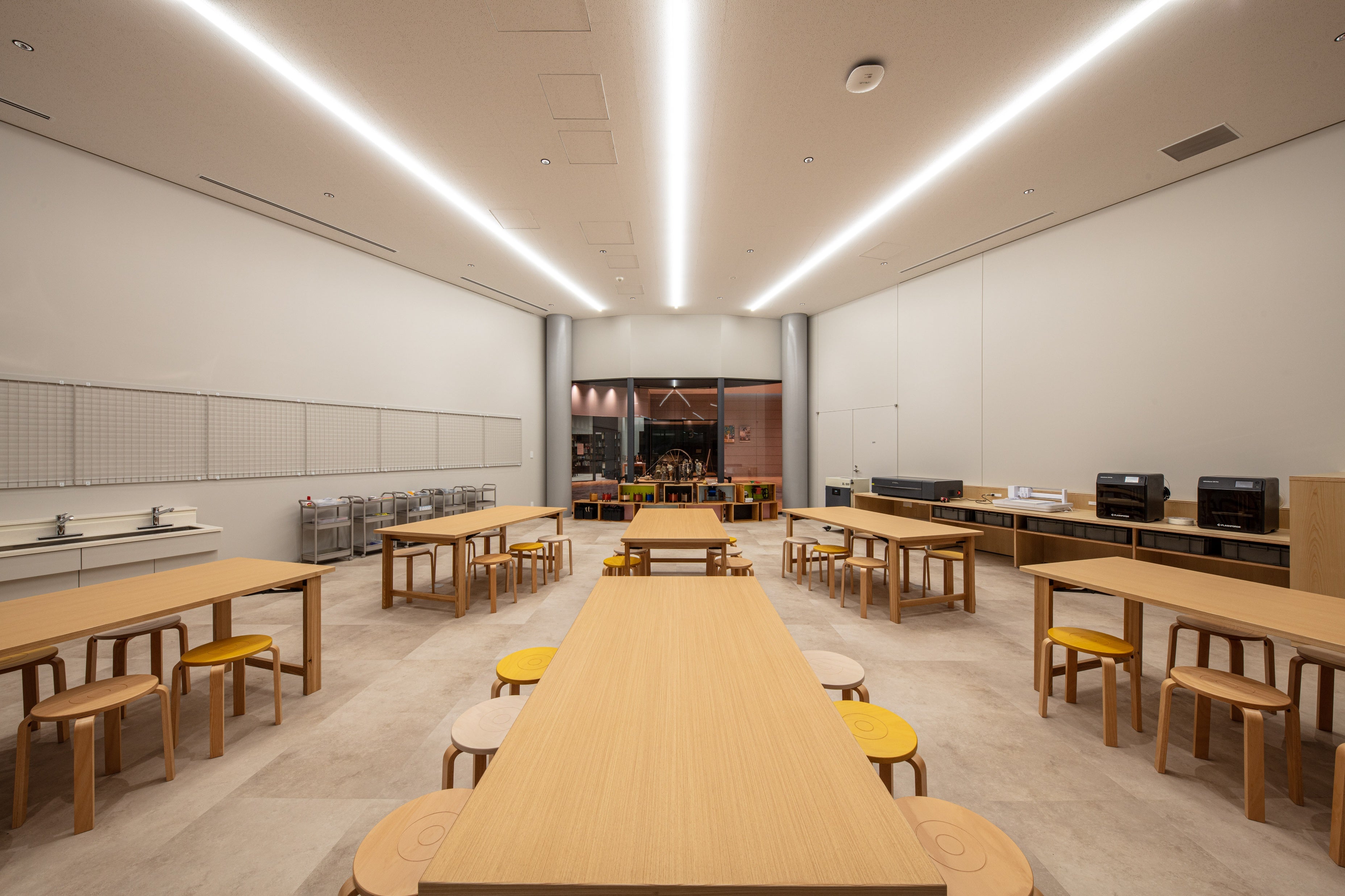 |  |
Manufacturing Experience Room
You can experience Hachioji's culture through traditional craftsmanship and try out various artisanal activities. Classes, workshops, and events are also held.
Photography: Shin Photo Works, Shinji Miyamoto (except for the panoramic view of Sōto no Mori)
Related information
| Name of facility | Hachioji History and Local History Museum |
|---|---|
| opening day | Saturday, October 3, 2026 |
| location | 3-26-1 Koyasu-cho, Hachioji City, Tokyo |
| Opening hours | 10:00-18:00 |
| closing day | Exhibition room, history library, local history lab |
| User Guide | Admission fee |
| Access | 10-minute walk from the South Exit of Hachioji Station on the JR Chuo Line. |
| Official website | |
| Sōto no Mori Business Overview | Project Owner: Hachioji Mirai Terrace Partners Co., Ltd. (SPC) |
※please note
The linked website is not the website of NOMURA Co.,Ltd., and is not under our control.
・The address of the website posted in this notice is the one at the time of creation of this page. Website addresses are subject to obsolescence or change. Please check yourself for the latest address.
・Please check with the linked organization/organization regarding the linked website.
Please contact us using the button below if you have an inquiry, want to request a quote or request documents.
We have created a separate “FAQ page” that lists the most common questions we are asked.
Please take a look at this page if you have a question.