
overview
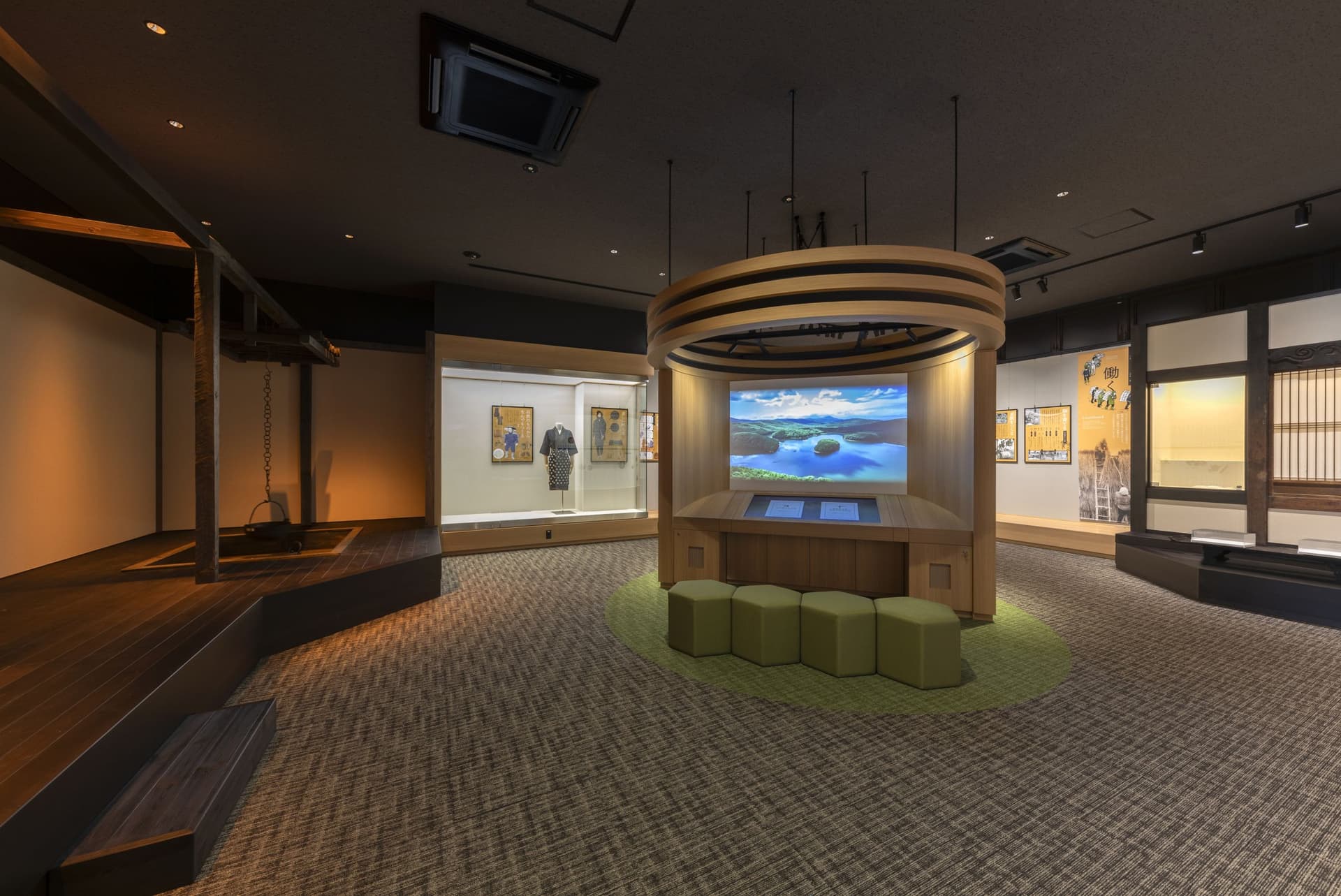
The Ishikawa Takuboku Memorial Museum, which opened in 1970 with the aim of honoring and preserving the materials of Ishikawa Takuboku, one of Japan's leading poets in modern times, will reopen in 2025 with the addition of the Tamayama History and Folklore Museum. The two museums will be linked by the concept of "hometown," a word left by Takuboku, and the Takuboku Memorial Museum will focus on the Meiji period when Takuboku lived, while the History and Folklore Museum will focus on the 1950s, allowing visitors to see Tamayama in the present day.
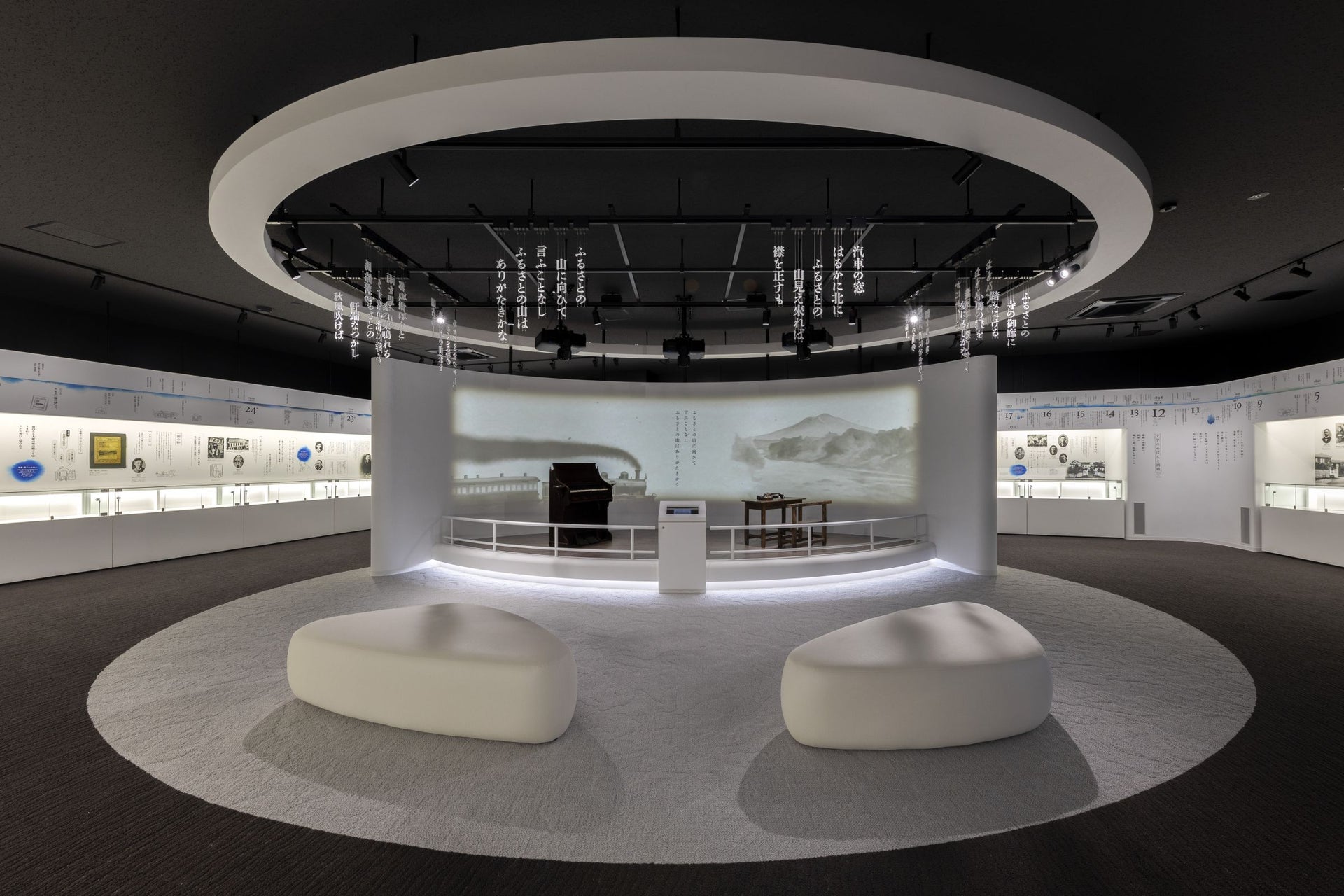
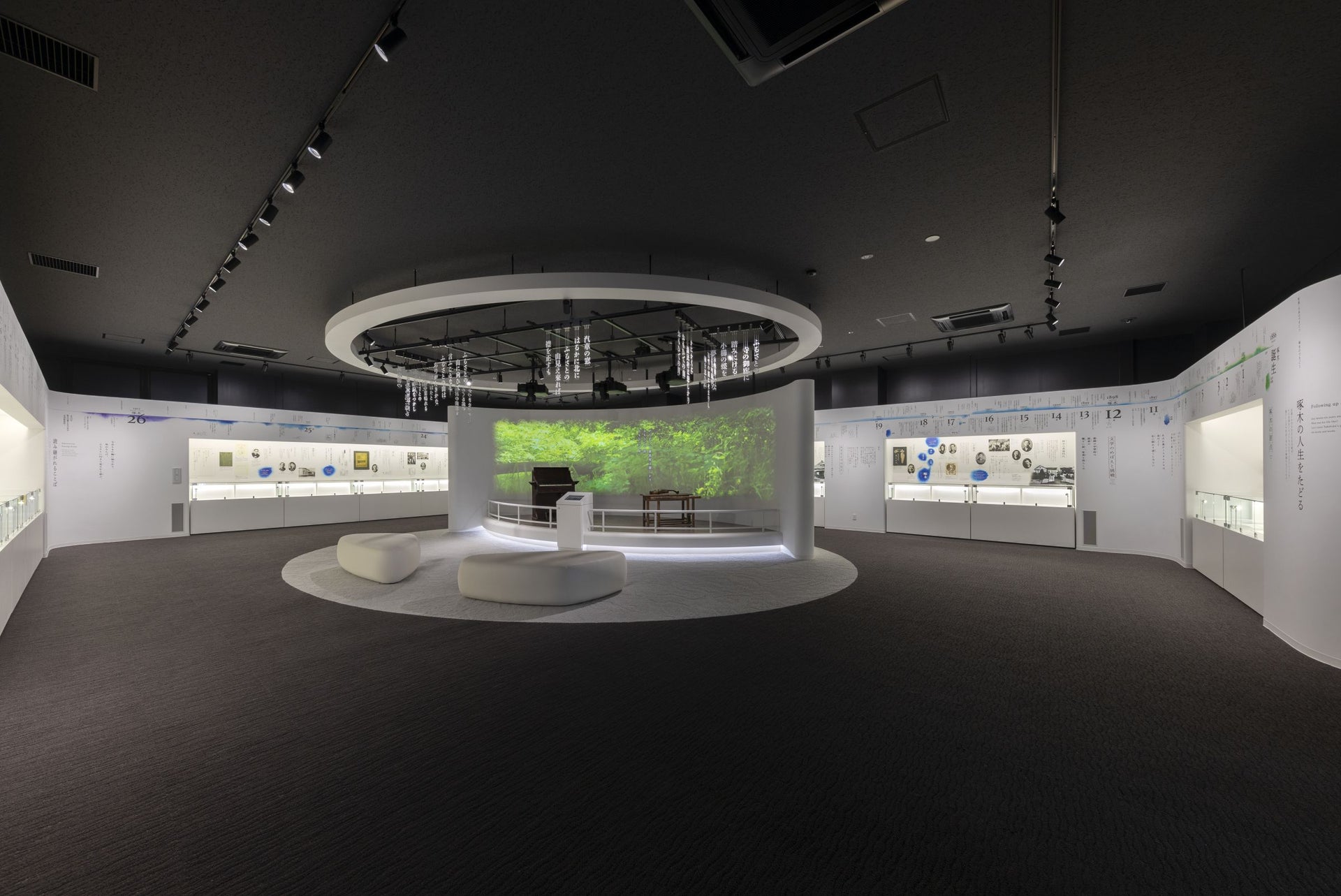
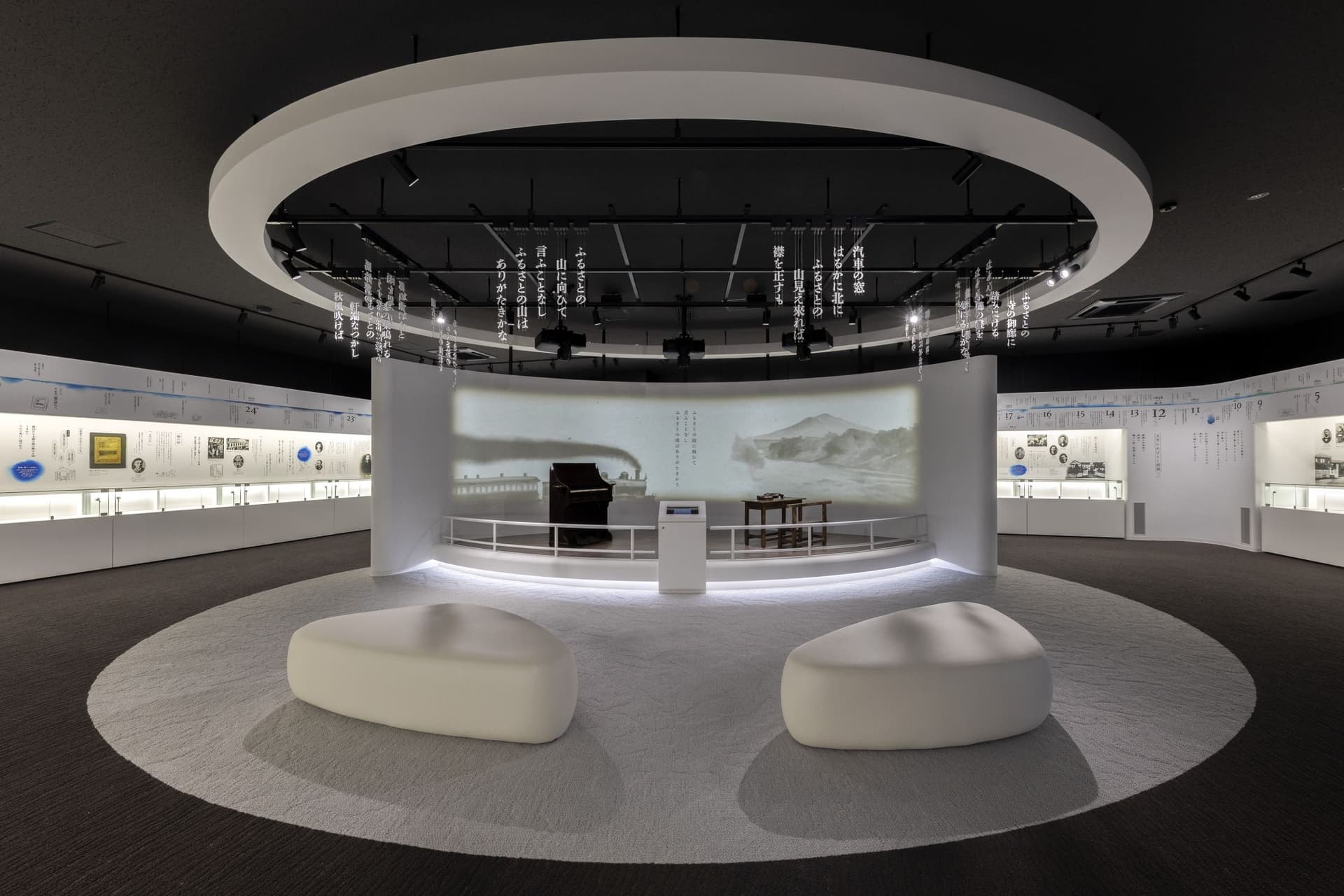
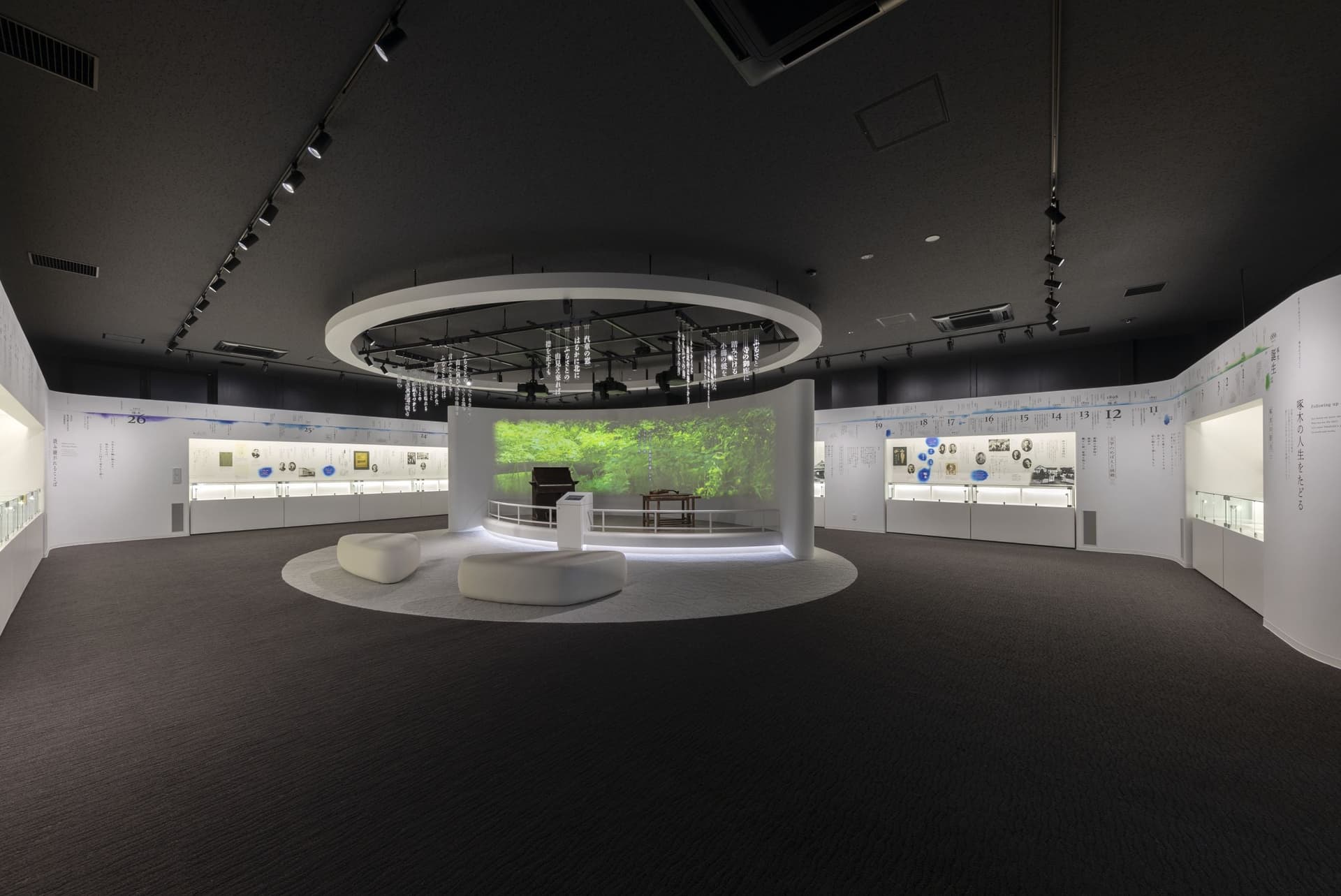
The Ishikawa Takuboku Memorial Museum utilizes the entire space to present a giant timeline of Takuboku's 26-year life and the commemorative activities undertaken by people since his death to the present day. Below the timeline, visitors can see the museum's collections for each period, as well as Takuboku's words from that time. In the central symbolic displays, the organ that Takuboku actually played is displays, and on the large screen in the background, visitors can choose to watch two original animations: "Takuboku's Life" and "Takuboku and His Hometown." The museum also has a displays room and a library reading corner.
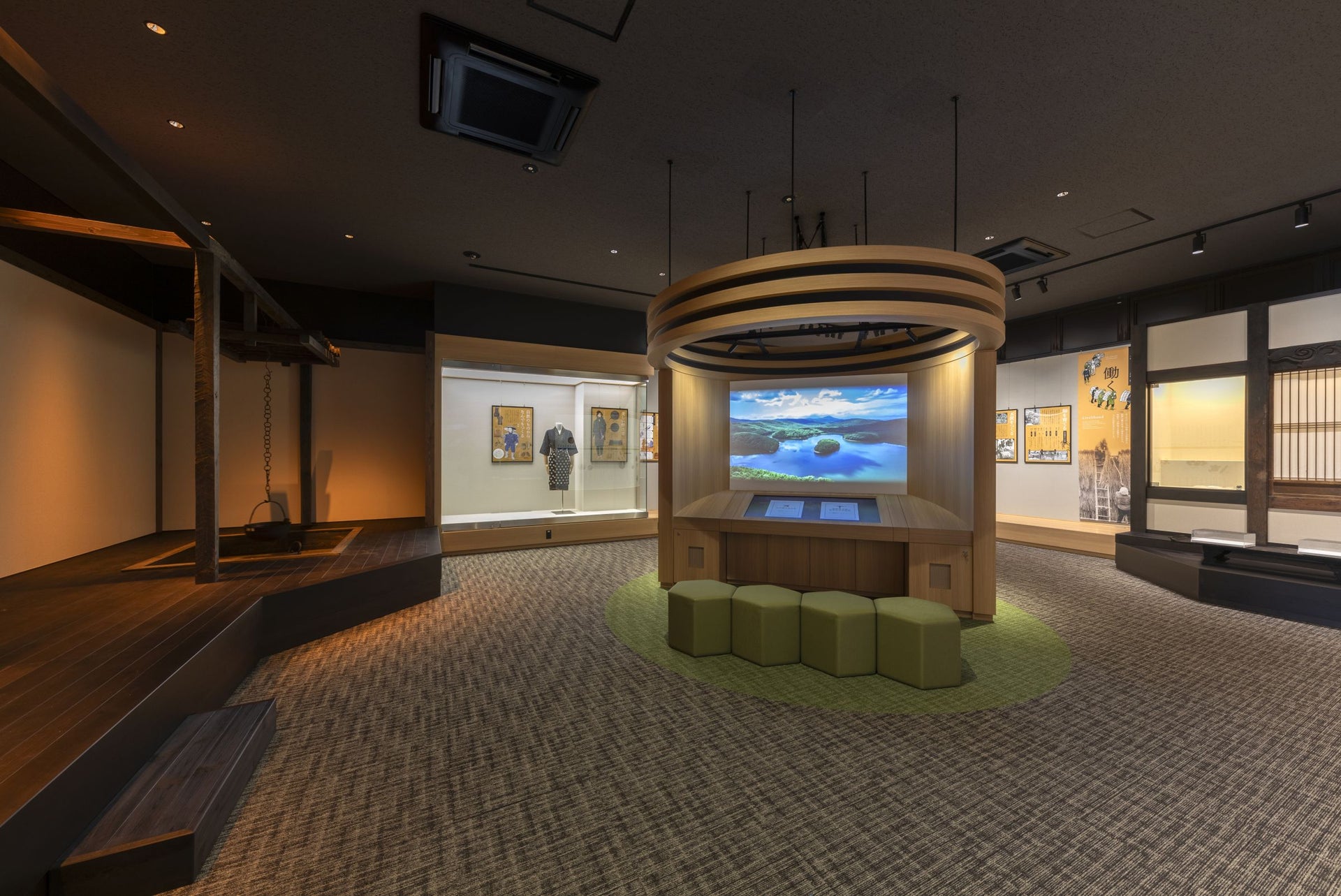
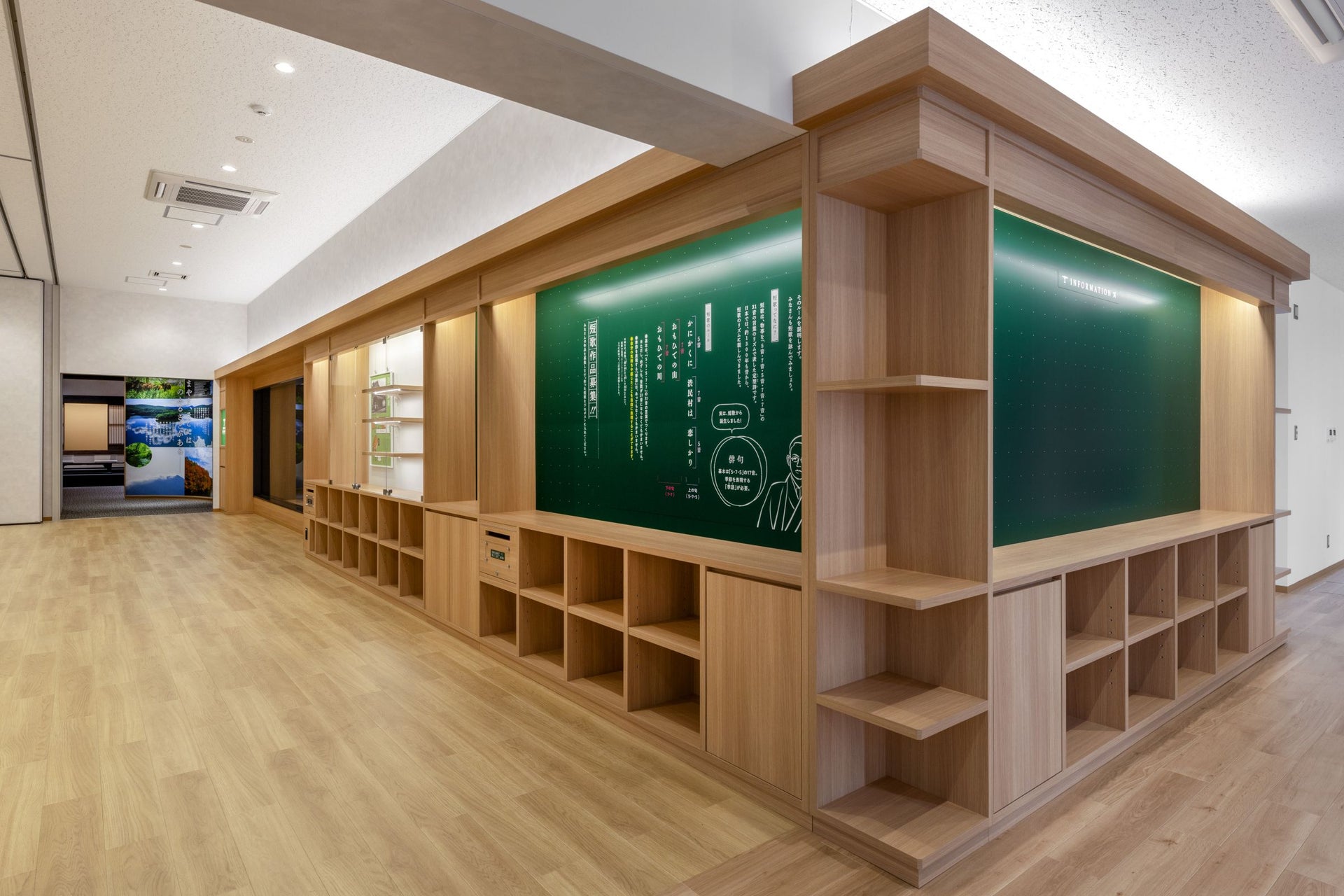
At the Yushan Historical and Folk Museum, in addition to displays folk materials donated by local residents, folk performing arts and images of nature are also preserved and can be viewed using videos and an information retrieval system.
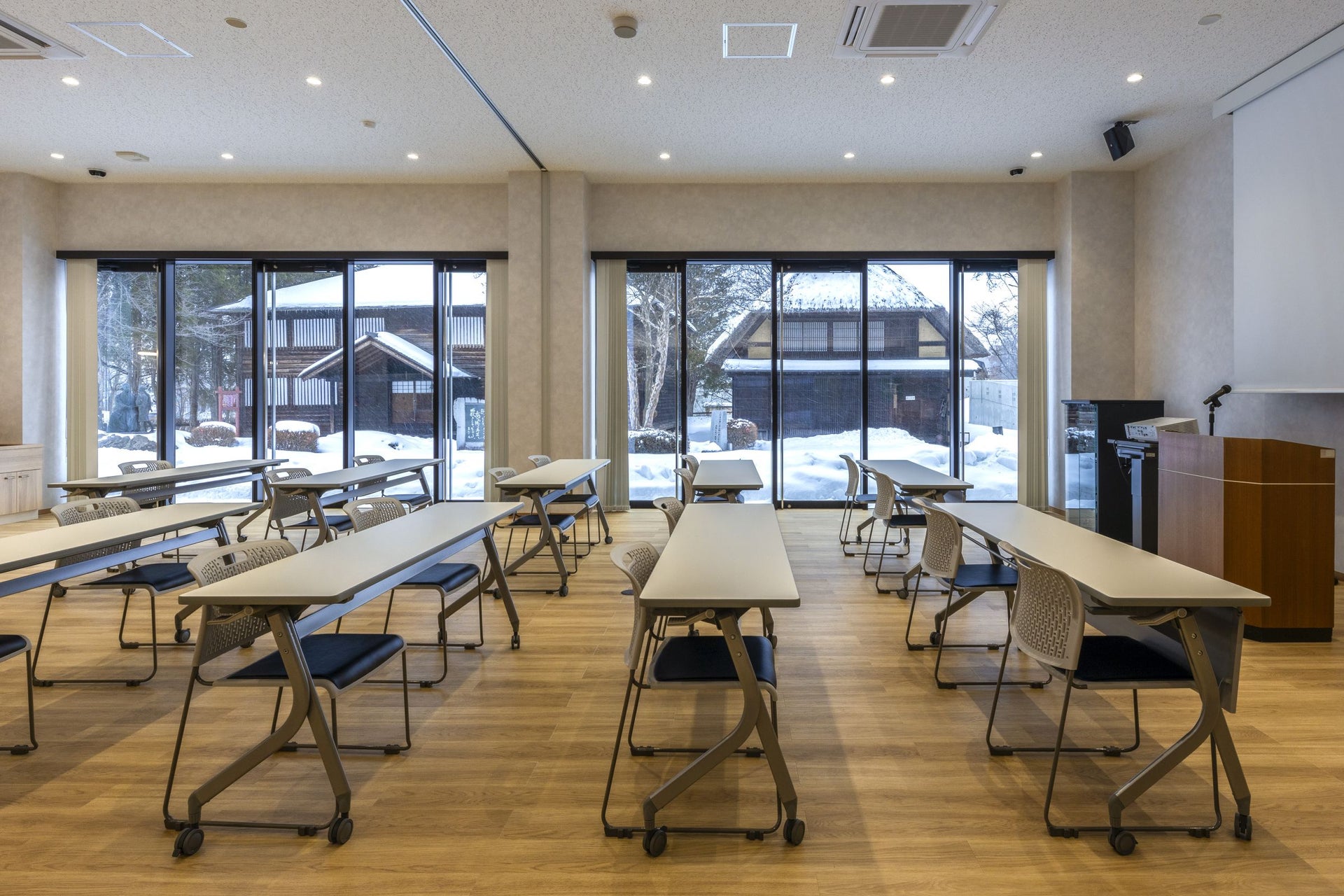
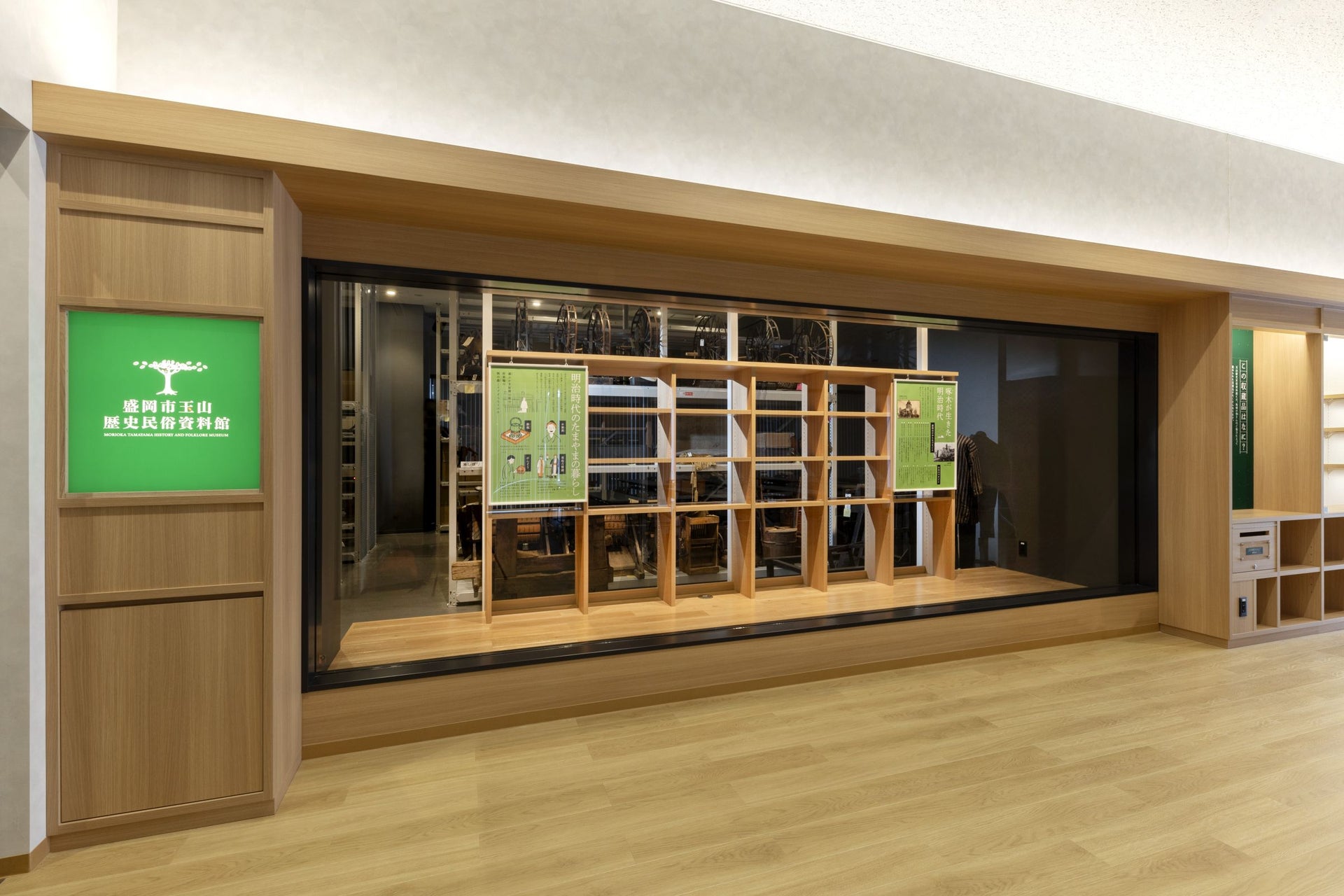
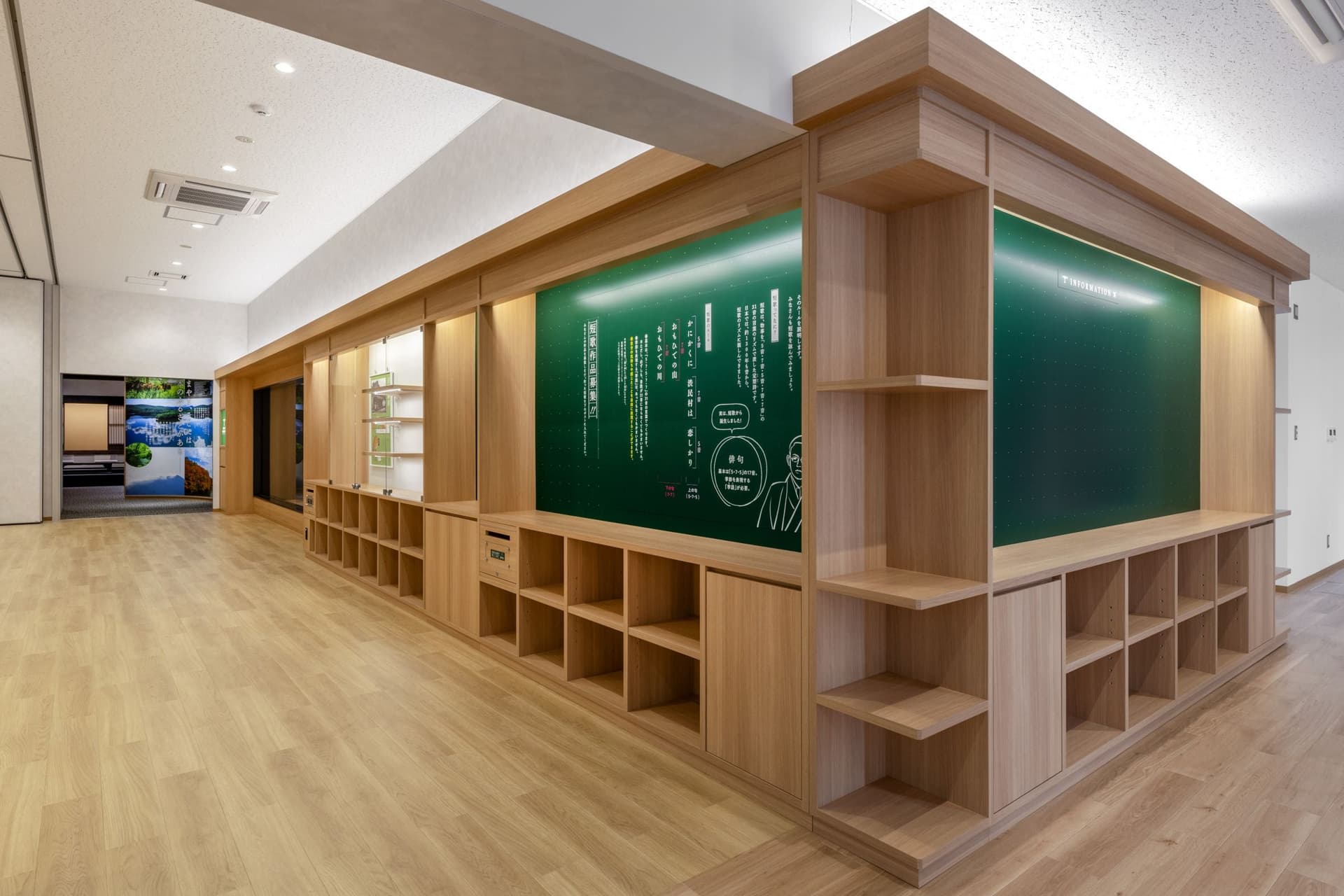
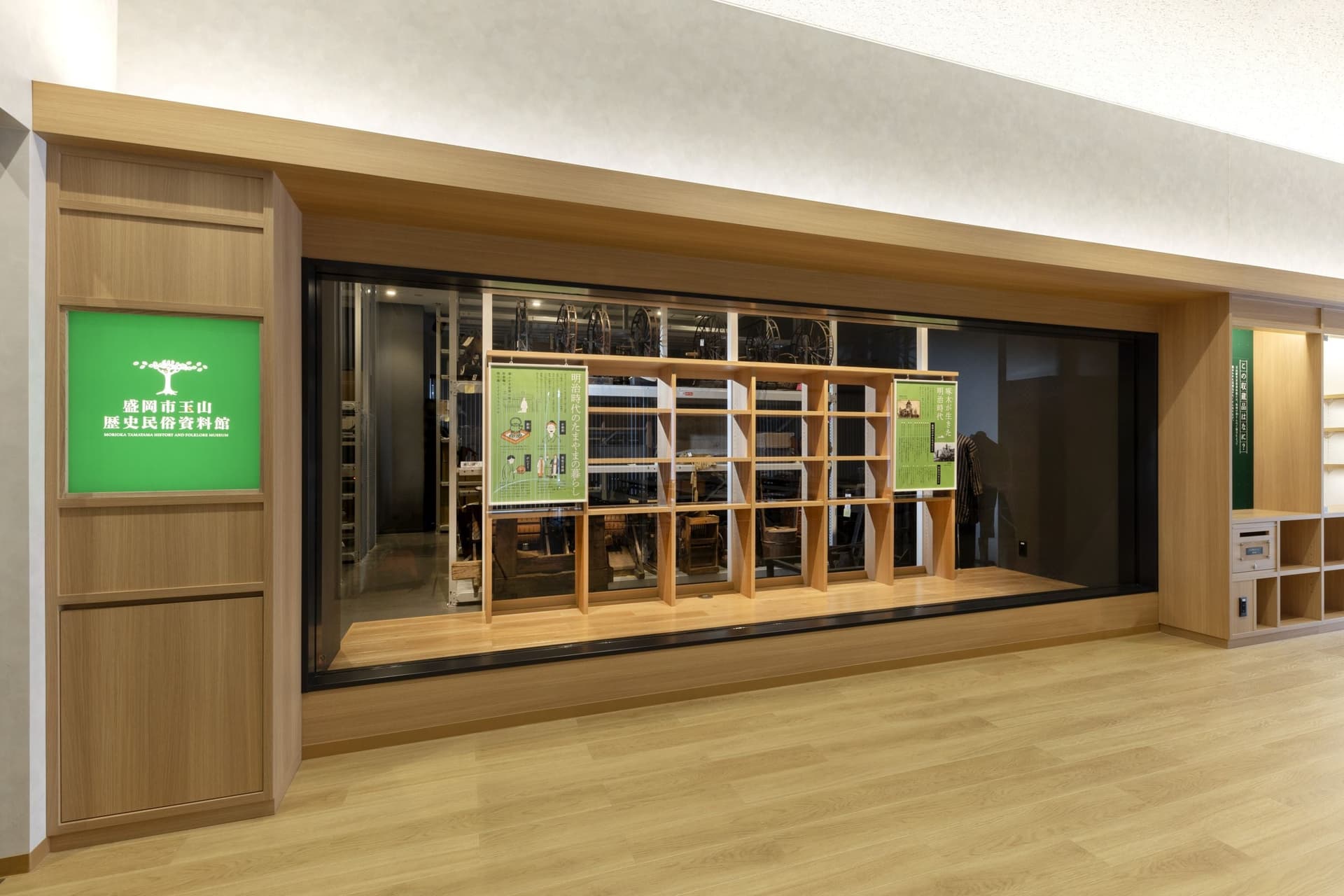
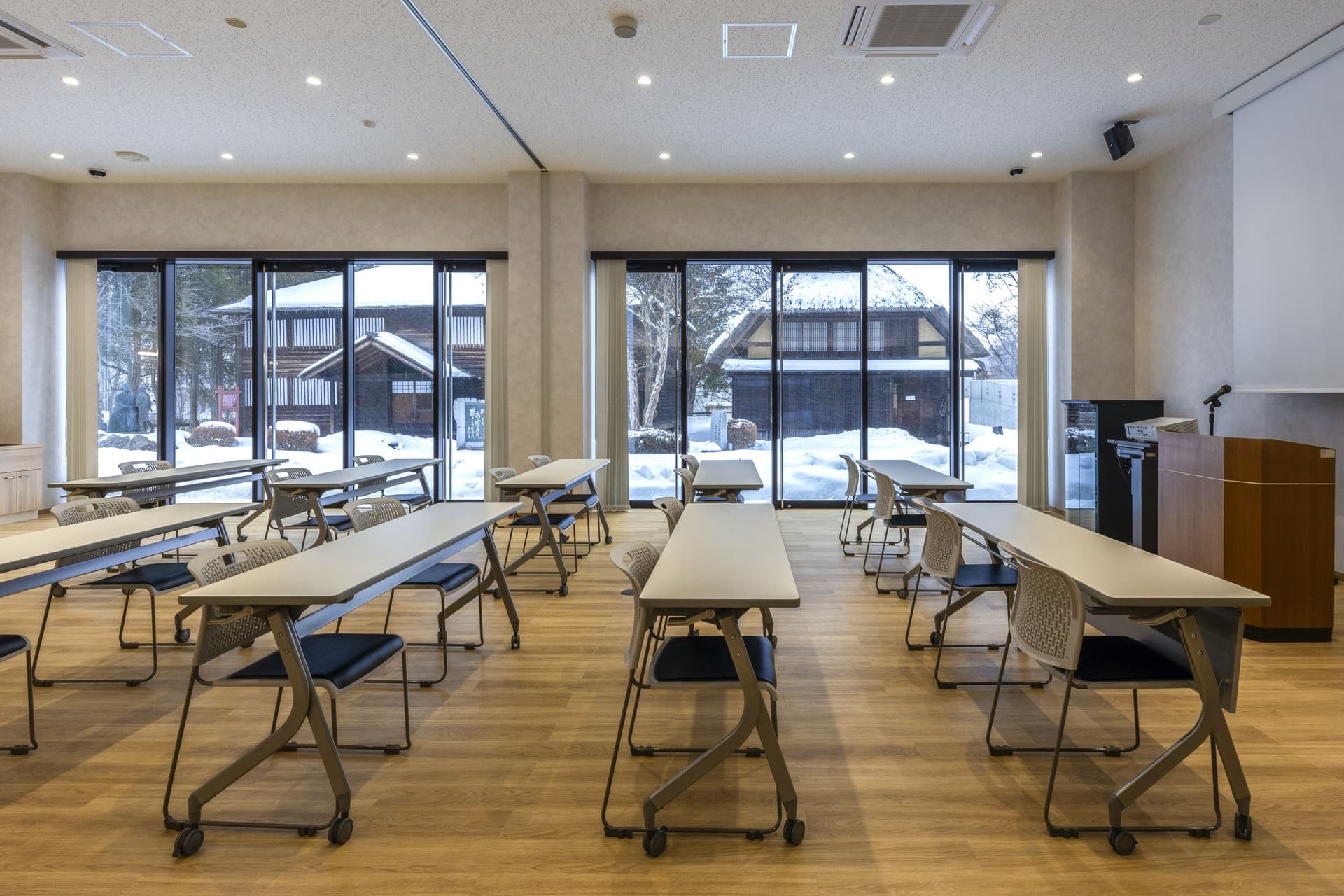
The corridor connecting the two buildings features a multipurpose hall where lectures and workshops can be held, a shelf displays called "Tamayama Connects" where mini-displays can be held, and a "Storage Room to Show Off" where part of the storage room is enclosed in glass. From the windows, you can see the Saito family residence where Takuboku once lived and Shibutami Elementary School.
Issues/requests
There was a need to clarify the significance of co-locating the Ishikawa Takuboku Memorial Museum and the Tamayama History and Folklore Museum, link them together, and develop the facilities in a way that would utilize their strengths and help revitalize the local area.
Within this context, the Ishikawa Takuboku Memorial Museum was required to convey information and displays that were unique to his birthplace, and also to express his connection with the region after his death and the activities to honor him. The Tamayama Historical and Folk Museum was required to properly manage and utilize its valuable collection, which mainly consists of items donated by citizens, so that it could be put to good use rather than merely preserved.
solution
Ishikawa Takuboku described the area around where this facility is planned as his "hometown" in his diary, poetry, novels, and more. He also wrote about his love for the beautiful nature, and his words truly remind us of the treasures of the Tamayama region. Therefore, this word was chosen as the keyword that connects the two adjacent museums, and we have developed them as a base for passing on the "hometown" to the future.
The Ishikawa Takuboku Memorial Museum presented displays explored how Takuboku perceived his "hometown" through his works and materials, and also introduced his connections with the community and commemorative activities after his death.
To preserve and utilize existing materials, both institutions have implemented archiving using a database system. In addition to stored items and books, the system allows searching for Takuboku Ishihara's poetry monuments and related locations throughout Japan, as well as searching for related words. At the Tamayama Historical and Folk Museum, intangible cultural properties such as folk performing arts, as well as natural features and famous places, are preserved and made available for viewing. Major folk performing arts have been filmed on video to ensure they are preserved for future generations.
Regarding the storage facilities, we have designed a portion of it as a "display storage area" with glass walls, and also prepared displays space where we can rotate and showcase our important collection.
project member
Basic information
- open
2025
- location
Iwate Prefecture
- client
Morioka City
- solution
Planning and basic concept, design, layout, signage and graphic concept design, environmental features, content design and manufacturing, exhibit execution, interior execution, building execution
- remarks
Regarding the spelling of "Taku" in "Ishikawa Takuboku," the correct spelling is "Taku" with fangs, but since it is expected that the appearance may differ depending on the viewing environment, this website uses the spelling "Takuboku."
What's NewSearch by new achievements
- TOP
- Achievements
- Ishikawa Takuboku Memorial Museum and Morioka City Tamayama History and Folklore Museum
Please contact us using the button below if you have an inquiry, want to request a quote or request documents.
We have created a separate “FAQ page” that lists the most common questions we are asked.
Please take a look at this page if you have a question.